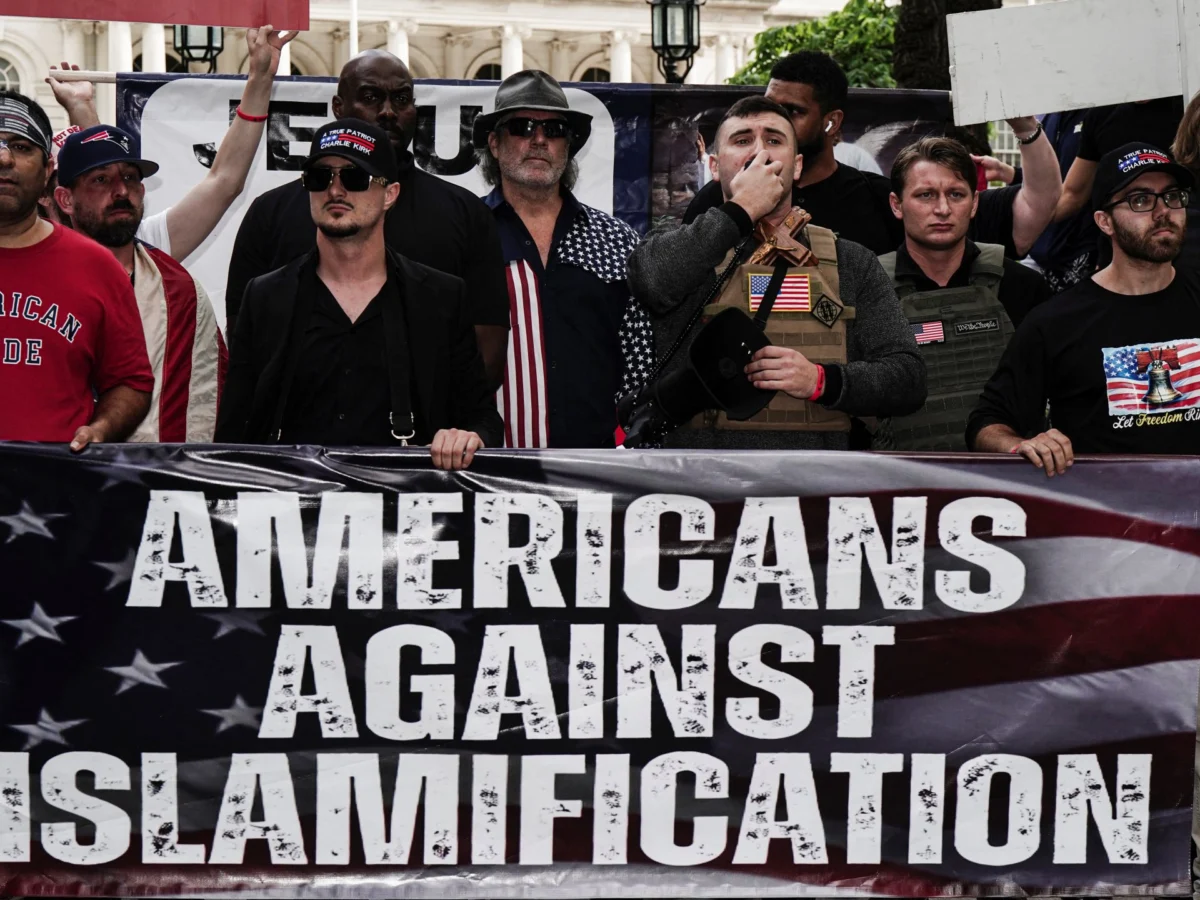
Muslim advocates in the United States are expressing concern and resilience in response to reported hate attacks aimed at Abdul El-Sayed, according to Al Jazeera. The advocates say that the most effective response to such incidents is to support the Democratic candidate running for the U.S. Senate in Michigan. These developments come as anti-Muslim sentiment continues to surface in various forms across the country, prompting community leaders to call for unity and political engagement rather than retaliation.
The situation underscores ongoing tensions surrounding Muslim Americans in political life and highlights how campaign-related violence or intimidation can influence broader electoral strategies. Muslim organizations are framing the upcoming election as a referendum not only on policy but also on whether hate-based rhetoric will find acceptance in mainstream political discourse. As the race unfolds, the incident involving Abdul El-Sayed has drawn renewed scrutiny toward how extremist actions may be used to sway voter behavior and shape public perception.
Key Facts
- Muslim advocates say hate attacks are targeting Abdul El-Sayed.
- Advocates recommend electing the Democratic candidate in Michigan to U.S. Senate.
- Community response emphasizes concern balanced with resilience.
- Incidents reflect broader anxieties among Muslim Americans in politics.
What Is Being Said About the Response
Muslim advocacy groups have responded to the reported targeting of Abdul El-Sayed by emphasizing both vulnerability and strength within their communities. Rather than retreating from civic participation, these advocates are channeling energy into electoral action, specifically endorsing the Democratic nominee in Michigan’s Senate race. This approach aligns with historical patterns where marginalized groups mobilize politically following perceived threats to one of their own. By linking personal safety to systemic change through voting, Muslim leaders aim to transform moments of fear into opportunities for greater representation. Their messaging also serves to counteract narratives that frame Muslims as disengaged citizens, instead portraying them as active participants invested in shaping inclusive governance.
How the Campaign Context Shapes Reactions
The backdrop of a competitive Senate election in Michigan adds urgency to the statements issued by Muslim advocates. In closely contested races, every endorsement and voter bloc carries symbolic weight alongside practical influence. For many Muslim Americans, supporting a candidate who opposes divisive rhetoric becomes more than just a policy decision—it is an assertion of belonging. The focus on Democratic candidates suggests alignment with platforms that traditionally emphasize civil rights protections and immigrant communities. However, it also raises questions about whether minority voters feel compelled to align strictly along party lines due to rising hostility. Meanwhile, the targeting of any individual figure like Abdul El-Sayed illustrates how national political figures can become lightning rods for localized frustrations, turning personal stories into rallying cries for wider movements.
What We Know — and What We Don’t
Verified by the source:
- Hate attacks are reportedly targeting Abdul El-Sayed, per Al Jazeera reporting.
- Muslim advocates are calling for resilience and increased political engagement.
- They have endorsed the Democratic U.S. Senate candidate in Michigan.
- The incidents have sparked discussion about Muslim Americans’ role in politics.
Still unconfirmed:
- Specific details regarding the nature or timing of the hate attacks.
- The identity of the Democratic Senate candidate referenced beyond party affiliation.
- Whether formal complaints or investigations have been filed.
- Broader public reaction outside of Muslim advocacy circles.
Why It Matters
This moment reflects continuing challenges faced by religious minorities in Western democracies, particularly when they step into high-profile roles. When public figures become targets simply because of their faith or background, it reverberates beyond individuals—impacting entire communities’ sense of security and inclusion. Encouraging political participation as a form of resistance reinforces democratic values while simultaneously pushing back against forces seeking to divide society along sectarian lines.
What To Watch
Future developments in the Michigan Senate race may reveal how effective targeted outreach by Muslim advocates proves at the ballot box. Additionally, observers should monitor whether similar incidents arise elsewhere, indicating a trend versus isolated events. Further clarification from affected parties or law enforcement would help distinguish fact from speculation around these claims.