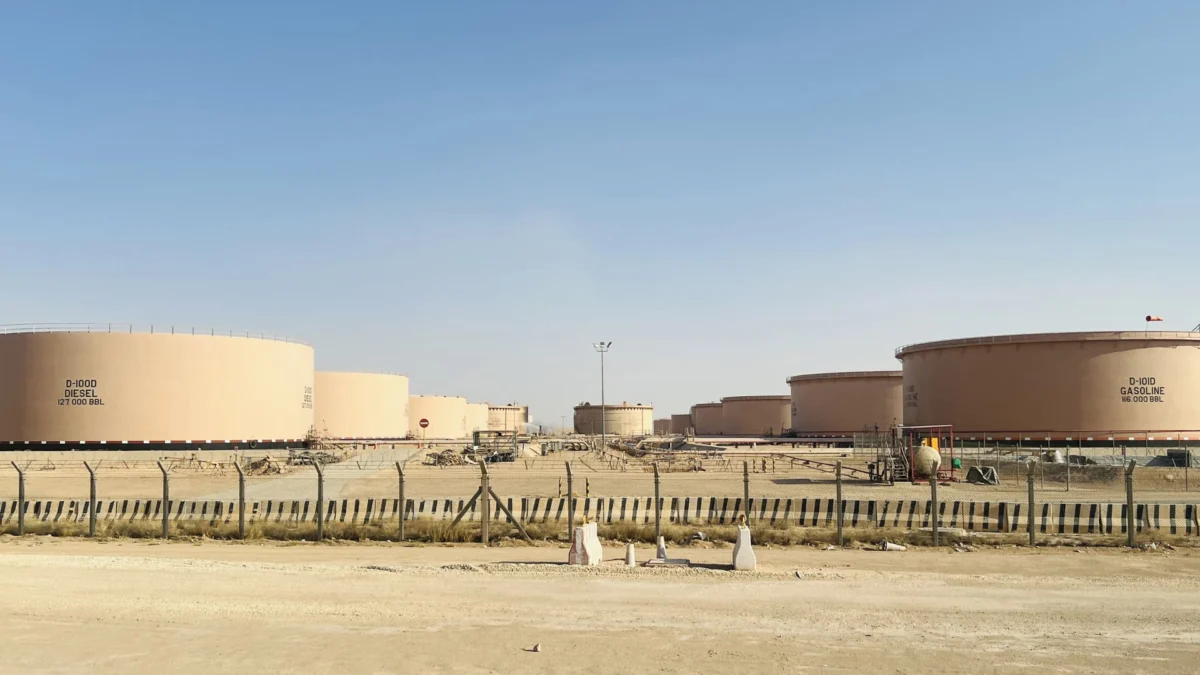
Oil prices slipped lower following U.S. President Donald Trump’s declaration of an ‘energy ceasefire’ between Russia and Ukraine, a move described as aiming to stabilize global crude markets amid ongoing supply disruptions.
The announcement came without immediate confirmation from either Moscow or Kyiv, though Ukrainian President Volodymyr Zelenskyy acknowledged the proposal in a social media post. Oil markets have been volatile in recent weeks as investors weigh geopolitical risks against demand forecasts. A sustained drop in prices could ease inflation pressures for energy-importing nations but may strain oil-producing economies reliant on export revenues.
Key Facts
- Oil prices fell after Trump announced an energy ceasefire between Russia and Ukraine.
- Ukrainian President Volodymyr Zelenskyy said Ukraine supports the ceasefire.
- Zelenskyy stated Russia must also support the ceasefire.
- The source did not provide details on implementation or timing of the agreement.
What This Means for Markets
An energy ceasefire, if verified, could mark a significant shift in how energy flows are managed during wartime. Crude oil prices are often sensitive to disruptions in production or transportation routes, particularly in regions like the Black Sea and Eastern Europe where both Russia and Ukraine play major roles. Markets have spent months pricing in risks tied to sanctions, supply chain bottlenecks, and fluctuating output levels. If Trump’s declaration leads to actual de-escalation, it might reduce risk premiums built into futures contracts, potentially lowering gasoline costs for consumers in affected countries.
Who Is Affected and How
Beyond consumers, commodity traders and national governments face real stakes. Oil-exporting nations such as Saudi Arabia, Russia, and the United States monitor such developments closely for signs of price stability or volatility. Meanwhile, financial institutions tracking energy exposure may adjust portfolios based on new assumptions about future supply chains. For global central banks, stabilizing oil prices helps manage inflation expectations and monetary policy decisions. However, any premature optimism around an unconfirmed truce could lead to quick reversals if diplomatic progress stalls or hostilities resume.
What We Know — and What We Don’t
Verified by the source:
- President Trump declared an ‘energy ceasefire’ between Russia and Ukraine.
- Ukraine supports the declared ceasefire, per Zelenskyy.
- Zelenskyy emphasized that Russian backing of the ceasefire remains necessary.
Still unconfirmed:
- Whether Russia accepts or responds to the ceasefire proposal.
- Specific mechanisms for enforcing or monitoring the ceasefire.
- Impact on ongoing energy sanctions or export policies.
- Exact timing and scope of any agreed-upon measures.
Why It Matters
Crude oil remains central to global economics, influencing food prices, transportation costs, and sovereign budgets worldwide. Any credible step toward peace involving energy infrastructure offers hope for more predictable pricing cycles. Even partial stabilization could help governments plan budgets and businesses forecast margins with greater certainty.
What To Watch
Investors will watch for official statements from the Kremlin confirming participation in the proposed energy ceasefire. Absent clear responses, market swings may continue regardless of initial headlines.