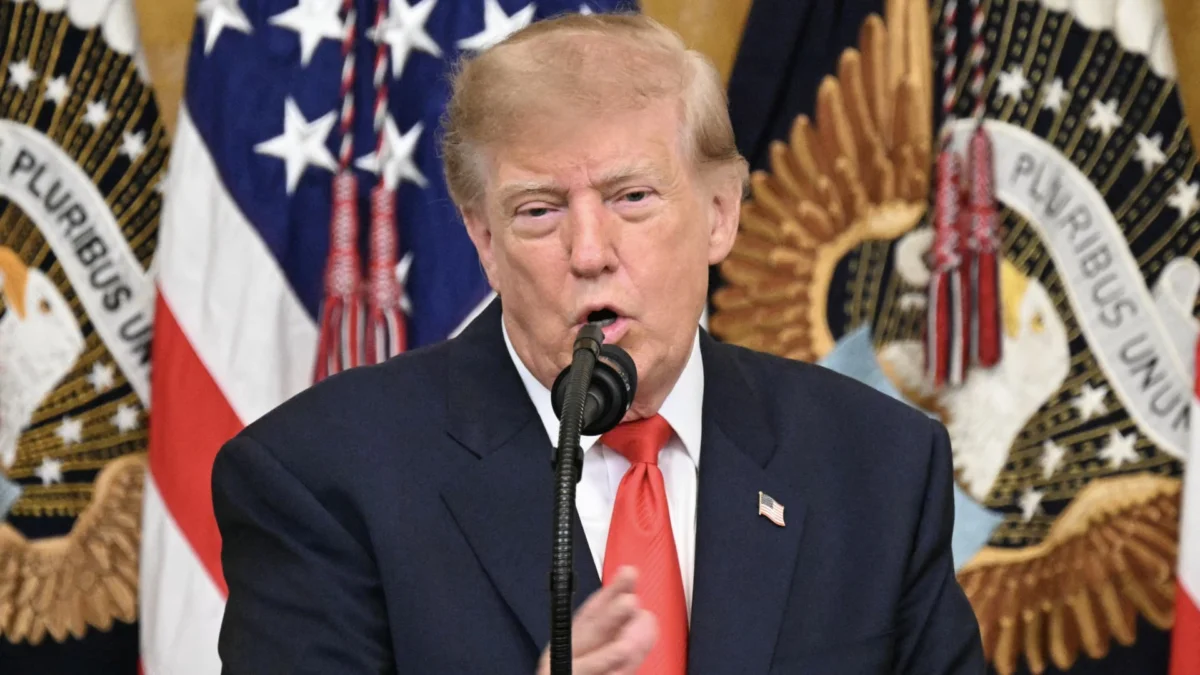
A federal judge has ordered the Trump administration to immediately halt taxpayer-funded TV ads that feature President Trump. The ads had drawn criticism from officials and media outlets, who argued they served as government propaganda and were intended to influence voters ahead of the upcoming midterm elections. The ruling underscores ongoing legal scrutiny over the use of public funds for promotional messaging.
The decision came after concerns were raised about whether the advertisements constituted appropriate use of taxpayer money. Critics argued that the content blurred the line between official government communication and campaign-style outreach. The ruling applies immediately, requiring cessation of the ads while broader questions about funding and messaging continue to develop.
Key Facts
- A judge ordered the Trump administration to stop taxpayer-funded TV ads immediately.
- The ads feature President Trump.
- The ads were criticized as government propaganda.
- The ads were seen as aimed at influencing the midterm election outcome.
What Led to the Ruling?
The lawsuit challenged the legitimacy of using federal resources to produce and broadcast advertisements starring the president. Opponents of the ads argued that the messaging resembled political campaign material rather than neutral public information. While the administration defended the ads as routine public outreach, the court found sufficient grounds to issue an immediate injunction. The ruling signals judicial concern over potential misuse of public funds for politically charged content. It also reflects broader tension between executive communications and campaign ethics laws.
Who Is Affected?
The order directly impacts federal agencies responsible for producing and airing the taxpayer-funded TV ads. These agencies must now pause ongoing campaigns and assess compliance with the court’s directive. The ruling may also affect future decisions regarding the use of government-funded media. For the public, the immediate result is a halt to new broadcasts of Trump-featured advertisements. Long-term implications could include tighter oversight of how public funds are used for promotional content. Legal experts suggest this case may set precedent for similar disputes involving executive messaging.
What Happens Next?
Administration officials have not publicly commented on the ruling or indicated whether they intend to appeal. The court has not issued further guidance on how federal agencies should handle existing ad contracts or pending productions. Legal analysts note that additional hearings may be scheduled depending on continued litigation. The midterm elections remain a key backdrop as debates over campaign influence persist. Monitoring of compliance and any appeals will determine how this ruling shapes future ad policies. The case highlights the ongoing intersection of government communication and electoral politics.
What We Know — and What We Don’t
Verified by the source:
- A judge ordered the stop of taxpayer-funded Trump ads.
- The ads featured President Trump.
- Critics called the ads propaganda and election influence tools.
Still unconfirmed:
- The specific judge or court issuing the order.
- The exact number or cost of the ads.
- Whether the administration plans to appeal.
- The precise legal grounds cited by the court.
Why It Matters
This ruling raises important questions about transparency, accountability, and the appropriate use of public resources in government messaging. As voters head to the polls for the midterm elections, concerns over political influence in official communications are likely to intensify. The case also adds to ongoing conversations about campaign finance rules and the boundaries between governance and campaigning. Regardless of outcome, the decision reflects growing scrutiny over how taxpayer dollars support presidential visibility ahead of critical elections.
What to Watch
Officials have yet to confirm whether they will challenge the ruling or adjust future ad strategies. The court may provide additional instructions in coming weeks. Any appeal or new legal motion would mark the next major development in the case. The situation remains fluid and closely watched by both supporters and critics of the administration.