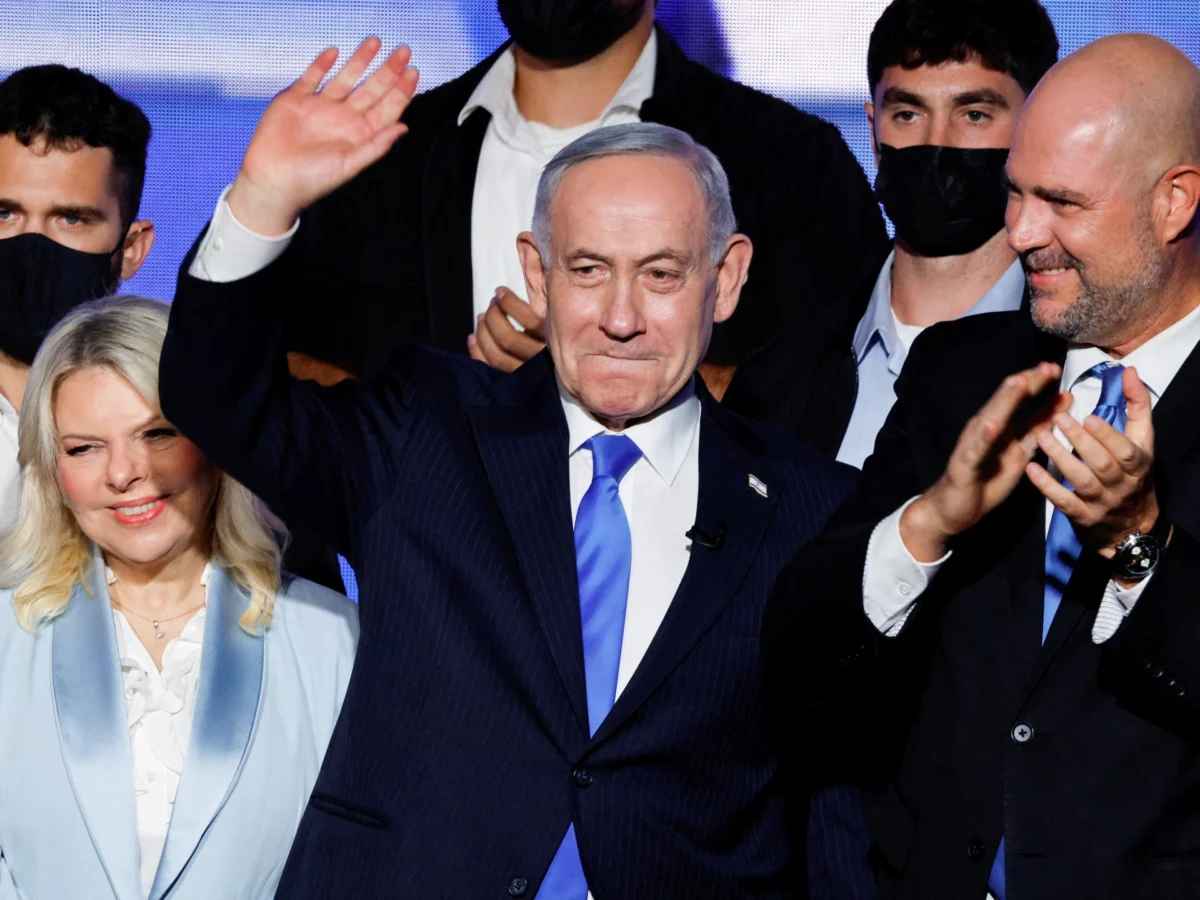
Benjamin Netanyahu, Israel’s longest-serving and most polarizing prime minister, enters the October 27 elections having reshaped key national institutions during his time in office. His government has pursued judicial reforms and security policies that have redrawn the relationship between the executive, judiciary, and civil society, deepening divisions within Israeli society. These changes are central to the upcoming vote, as voters weigh the legacy of his leadership against calls for renewed democratic oversight.
KEY FACTS
- Israel holds elections on October 27.
- Benjamin Netanyahu is seeking re-election.
- He is the longest-serving prime minister in Israel’s history.
- He is described as polarizing in the source.
- He has reshaped Israel’s institutions during his tenure.
What happens next? The outcome of the October 27 elections will determine whether Netanyahu retains power to continue institutional reforms or whether a new government reverses course.
Reshaping Governance Under Netanyahu
Netanyahu’s tenure has seen significant shifts in how Israel’s institutions function. Judicial overhaul plans introduced by his government aimed to limit the authority of the Supreme Court and reduce checks on executive power. Supporters argue such changes correct imbalances in governance, while opponents warn they undermine democratic norms. These proposals have sparked mass protests and debate over the future of Israeli democracy. The reforms remain a defining issue ahead of the October 27 elections.
Security and Civil Society
Beyond judicial reforms, Netanyahu’s leadership has emphasized security policies that have altered the operational landscape for civil society organizations and media outlets. Funding restrictions on NGOs and changes to media regulations reflect broader efforts to align state institutions with government priorities. These moves have drawn international attention and criticism. Voters will decide whether these institutional shifts represent necessary adjustments or threats to democratic pluralism in the coming October 27 elections.
What We Know — and What We Don’t
Verified by the source:
- Israel holds elections on October 27.
- Benjamin Netanyahu is the longest-serving prime minister seeking re-election.
- He has reshaped Israel’s institutions during his time in office.
Still unconfirmed:
- No specific details about which institutions were reshaped.
- No exact vote results or polling data are provided.
- No quotes or statements from officials are included.
Why It Matters
The October 27 elections highlight tensions over the role of government in shaping democratic norms. How institutions respond to executive pressure affects accountability, civil liberties, and public trust. These Israel elections offer insight into challenges facing democracies balancing security and governance under prolonged leadership. Observers worldwide will watch whether reform efforts strengthen or strain democratic foundations.
What To Watch
Official results from the October 27 elections are expected shortly after voting concludes. Analysts will monitor whether Netanyahu retains enough support to advance ongoing institutional reforms or whether opposition parties gain control to alter course.