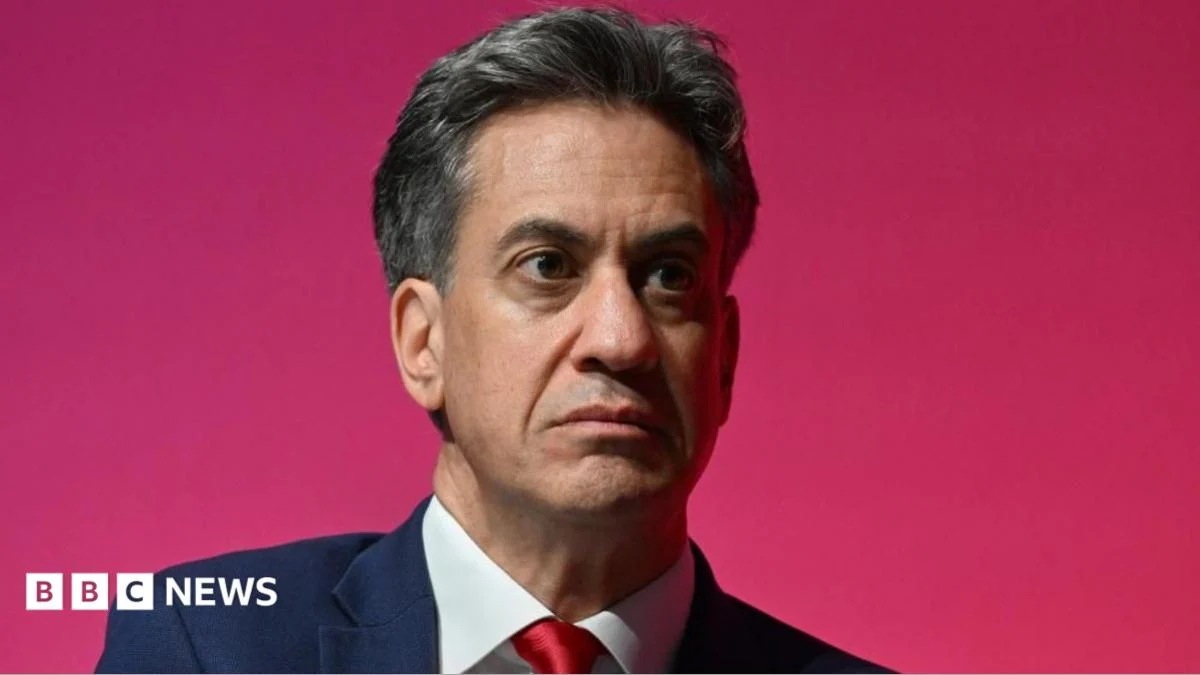
Ed Miliband has stated he will not resign if the government approves the Rosebank oil field, according to BBC News. The decision on Britain’s largest untapped oil field rests with Energy Secretary Miatta Fahnbulleh, who is expected to rule on the controversial project.
The announcement clarifies the political stakes surrounding a development that has drawn intense scrutiny from climate campaigners and energy security advocates alike. Miliband’s position removes a potential leadership crisis from the equation, focusing attention squarely on the substantive decision ahead.
Key Facts
- Ed Miliband says he will not resign if the government approves the Rosebank oil field
- Energy Secretary Miatta Fahnbulleh is to make a decision on Britain’s largest untapped oil field
- The Rosebank oil field is described as Britain’s largest untapped oil field
The Story
What the decision involves
The Rosebank oil field lies west of Shetland in the North Sea and has been estimated to hold several hundred million barrels of recoverable oil. Development would require significant infrastructure investment and regulatory approvals beyond the initial political go-ahead. The field’s operator has previously indicated a desire to proceed, but final investment decisions hinge on fiscal terms and environmental permits.
Energy Secretary Miatta Fahnbulleh’s role is to weigh energy security arguments against the UK’s legally binding net-zero commitments. The Climate Change Committee has advised that new oil and gas licences are incompatible with carbon budgets, while industry bodies argue domestic production reduces reliance on imported fossil fuels with higher emissions footprints.
Who is affected by the outcome
Communities in northeast Scotland, particularly around Aberdeen and Shetland, watch the decision closely for its implications on employment and supply-chain contracts. Environmental organisations have mobilised legal challenges and public campaigns opposing development, arguing it undermines the UK’s international climate credibility.
Global energy markets will also note the signal sent by either approval or rejection. Other North Sea jurisdictions face similar dilemmas, and the UK’s approach influences investor confidence across the basin. The decision arrives as Europe continues adjusting to reduced Russian pipeline gas, keeping energy security at the forefront of policy debates.
How did we get here
The previous Conservative government granted development consent for Rosebank in 2023, but the decision faced immediate legal challenge. The Labour administration inherited the file and has been under pressure to clarify its position. Miliband, who previously served as Climate Change Secretary, has a long public record on fossil fuel policy, making his personal stance a focal point for both supporters and critics of the project.
What We Know — and What We Don’t
Verified by the source:
- Ed Miliband has publicly stated he will not resign over the Rosebank decision
- Energy Secretary Miatta Fahnbulleh holds decision-making authority on the field
- The Rosebank oil field is identified as Britain’s largest untapped oil field
Still unconfirmed:
- The expected timeline for Fahnbulleh’s decision
- Whether Miliband’s statement reflects collective cabinet agreement or personal position
- The specific legal or policy criteria the Energy Secretary will apply
- Potential conditions or mitigations that could accompany any approval
- Reaction from the field’s operator or joint venture partners
Why It Matters
The Rosebank decision sits at the intersection of climate policy, energy security, and economic strategy. For voters, it tests the government’s commitment to net-zero pledges versus its rhetoric on protecting jobs and lowering bills. For investors, it signals whether the UK remains a predictable jurisdiction for long-cycle energy projects. The outcome will reverberate in international climate negotiations where the UK seeks to maintain leadership credibility.
What To Watch
Observers await the Energy Secretary’s formal announcement and any accompanying policy statement. Legal challenges are likely regardless of the outcome, potentially delaying implementation for months or years.