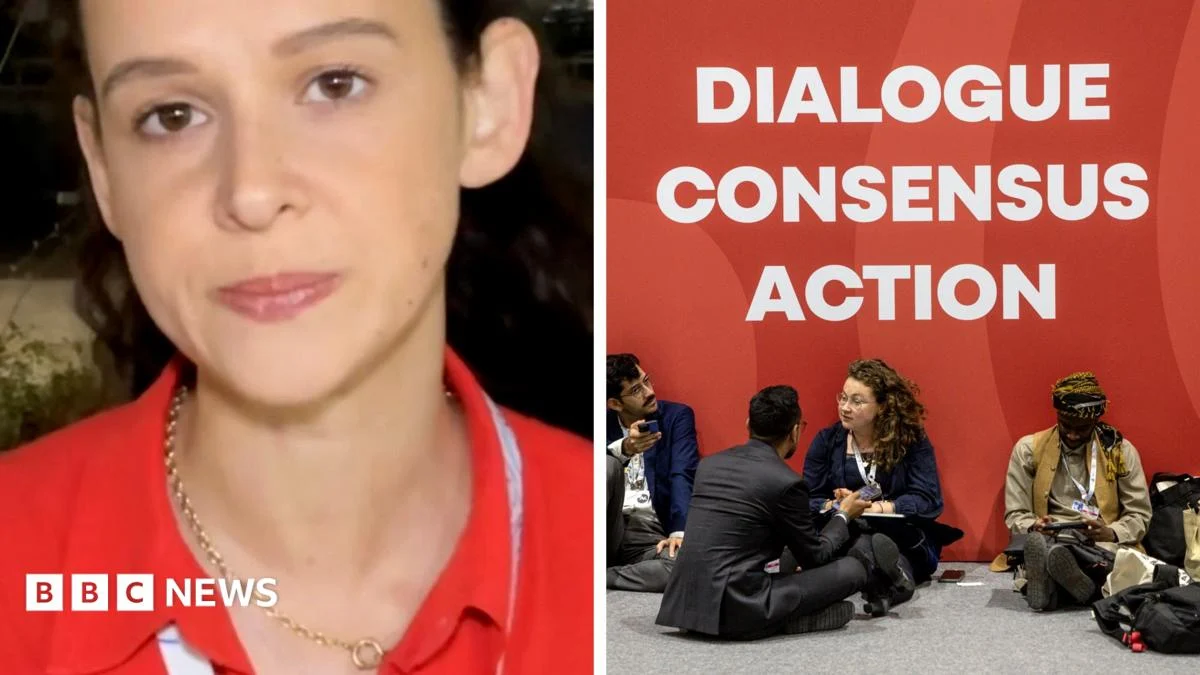
The COP31 climate talks concluded without a deal after negotiations extended two days beyond their scheduled close, marking the longest summit in the conference’s history. Delegates left without resolving the core disagreements that stalled the final sessions.
The breakdown means the international community must now determine how to advance climate commitments without the framework a successful COP31 would have produced. The outcome shifts focus to interim meetings and the next annual conference.
Key Facts
- The COP31 climate talks were the longest-running in summit history
- Negotiations broke down two days after the official end date
- No agreement was reached before delegates departed
How Did We Get Here?
Annual Conference of the Parties (COP) meetings serve as the primary global forum for negotiating climate action under the United Nations Framework Convention on Climate Change. Each summit aims to produce binding or voluntary commitments on emissions reductions, finance, adaptation, and loss-and-damage provisions. Previous conferences have occasionally run past deadline, but a complete breakdown without any outcome is rare.
The extended negotiations at COP31 suggest deep divisions among participating nations on one or more critical issues. Common sticking points in recent COPs have included climate finance targets for developing nations, language on fossil fuel phase-down or phase-out, and the structure of carbon markets. Without a final text, the specific disputes at COP31 remain unspecified in the available report.
What Happens Next?
When a COP ends without agreement, the UNFCCC process does not stop. Subsidiary bodies and technical committees continue their work between summits. The Bonn Climate Change Conference, typically held each June, often serves as a venue to rebuild momentum and advance technical negotiations. The presidency of the next COP — COP32 — will also begin diplomatic outreach earlier than usual to prevent a repeat outcome.
Countries may also pursue climate cooperation through parallel tracks: the G20, Major Economies Forum, or bilateral agreements. These channels cannot replace the universality of the COP process but can sustain progress on specific issues like methane reduction, renewable energy deployment, or climate finance pledges.
What We Know — and What We Don’t
Verified by the source:
- The COP31 talks ran longer than any previous COP summit
- Negotiations collapsed two days past the scheduled conclusion
- No deal was finalized
Still unconfirmed:
- Which specific issues caused the breakdown
- How many countries participated or objected
- Whether any partial agreements or informal understandings were reached
- The identity of the COP31 host nation and presidency
- Dates for the next negotiating session or COP32
Why It Matters
The failure to reach consensus at COP31 delays the formal updating of global climate ambition at a moment when scientific assessments indicate emissions must peak and decline rapidly this decade. The UNFCCC process remains the only forum where all nations — including the most vulnerable — negotiate on equal footing. A breakdown risks eroding trust in that process and shifting influence to less inclusive groupings.
What To Watch
The UNFCCC secretariat will announce the schedule for interim negotiations. The incoming COP32 presidency will signal its priorities and diplomatic strategy in the coming months.