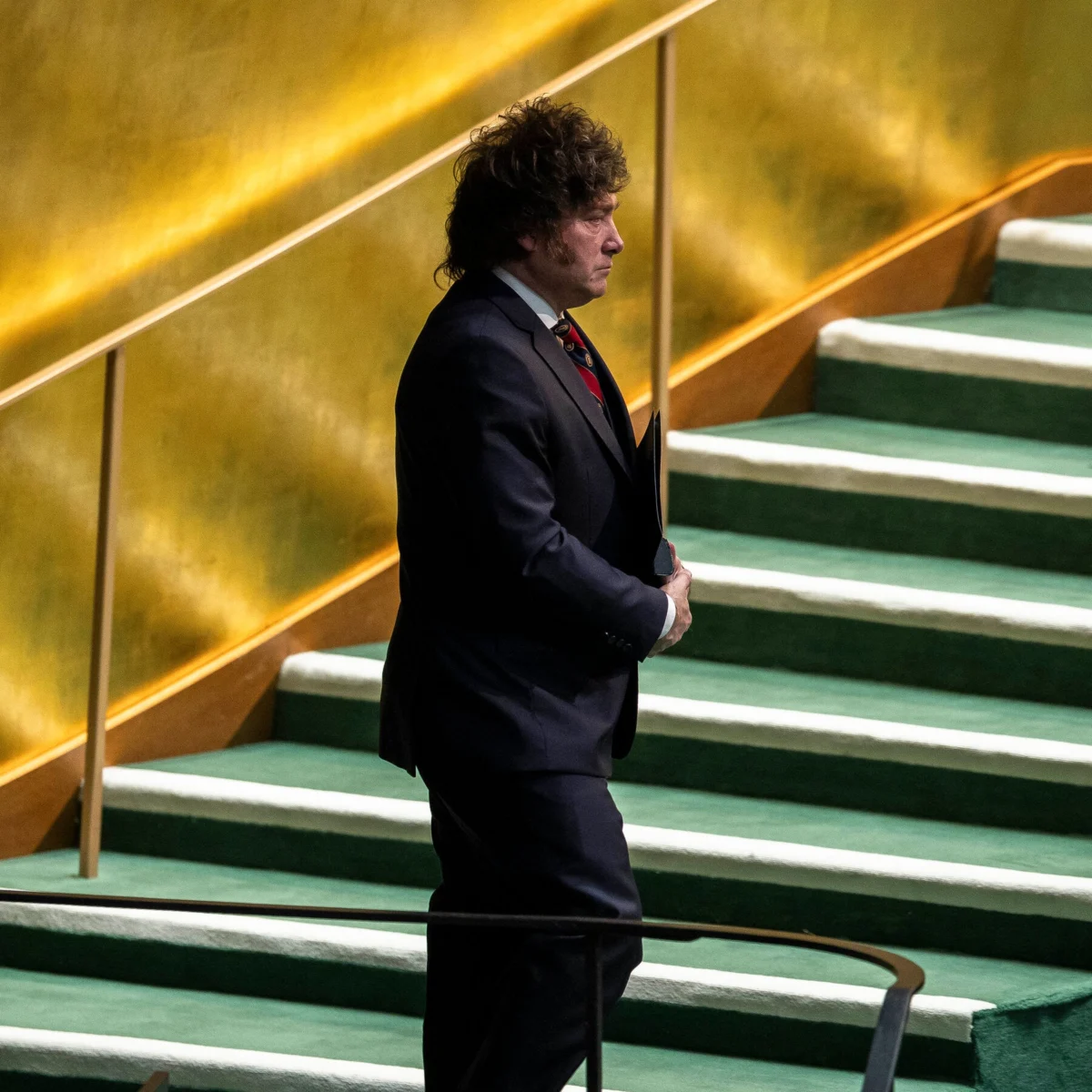
Argentina’s president Javier Milei is pitching the country as a destination for artificial intelligence development free of heavy regulations, even as other world leaders grapple with controlling a technology many fear could threaten humanity. The move signals a stark divergence in how nations approach AI governance.
While governments from the European Union to the United States debate strict guardrails on machine intelligence, Milei appears ready to take the opposite tack—welcoming AI firms with fewer restrictions. His administration has signaled openness to hosting AI projects that might face tighter oversight elsewhere.
Key Facts
- Javier Milei is promoting Argentina as a rules-free haven for AI development.
- This follows growing global concern over AI posing existential threats.
- Milei’s stance contrasts with other leaders who are trying to regulate AI.
The Story
Why now?
The rush to regulate AI has intensified as breakthroughs in generative models raise alarms among scientists, ethicists, and policymakers. Countries like the UK, Canada, and members of the EU have begun drafting legislation to oversee AI deployment, particularly in sensitive fields like healthcare, defense, and finance.
In contrast, Milei’s approach suggests a libertarian-style vision where market forces—not regulation—govern technological progress. His government has not released detailed policy documents, but public statements indicate a preference for attracting investment through deregulation.
Who is affected?
If implemented, Milei’s proposal could draw AI startups and multinational corporations seeking fewer compliance burdens. It may also intensify debates within international bodies such as the UN and OECD about global standards for AI safety and ethics.
For domestic audiences, supporters see potential economic gains through tech-sector growth, while critics warn of risks tied to limited oversight of powerful technologies.
How did we get here?
Milei rose to power in late 2023 on a platform of radical economic reform and reducing state control. His rhetoric aligns with a broader ideological shift toward minimal government intervention—a philosophy now being extended to emerging technologies like AI.
Internationally, some nations have paused or scaled back AI initiatives due to concerns over misuse. Others continue research under tight supervision. Argentina’s positioning marks one of the few explicit attempts to lure AI development via low-regulation messaging alone.
What We Know — and What We Don’t
Verified by the source:
- Javier Milei supports branding Argentina as a rules-free AI hub.
- Other global leaders are struggling to manage AI risks.
- Concerns exist regarding AI posing existential threats.
Still unconfirmed:
- Specific policies or legislation Milei plans to implement.
- Whether Argentina currently has any regulatory framework for AI.
- Details of foreign interest or commitments from AI firms.
bulletNo named officials quoted; no timelines provided.
Why It Matters
As societies worldwide wrestle with balancing innovation and risk in AI, Milei’s stance reflects a growing divide between regulation-first and deregulation-first philosophies. Where governments land on this spectrum will shape everything from job markets to national security in the decades ahead.
What To Watch
Future actions by Milei’s government—including any formal announcements or partnerships—will clarify whether this pitch becomes concrete policy or remains rhetorical. For more updates, follow war-geopolitics and tech-ai coverage.
Meta description: Argentina’s president Javier Milei wants to brand the country as a rules-free haven for AI development amid rising global concern.