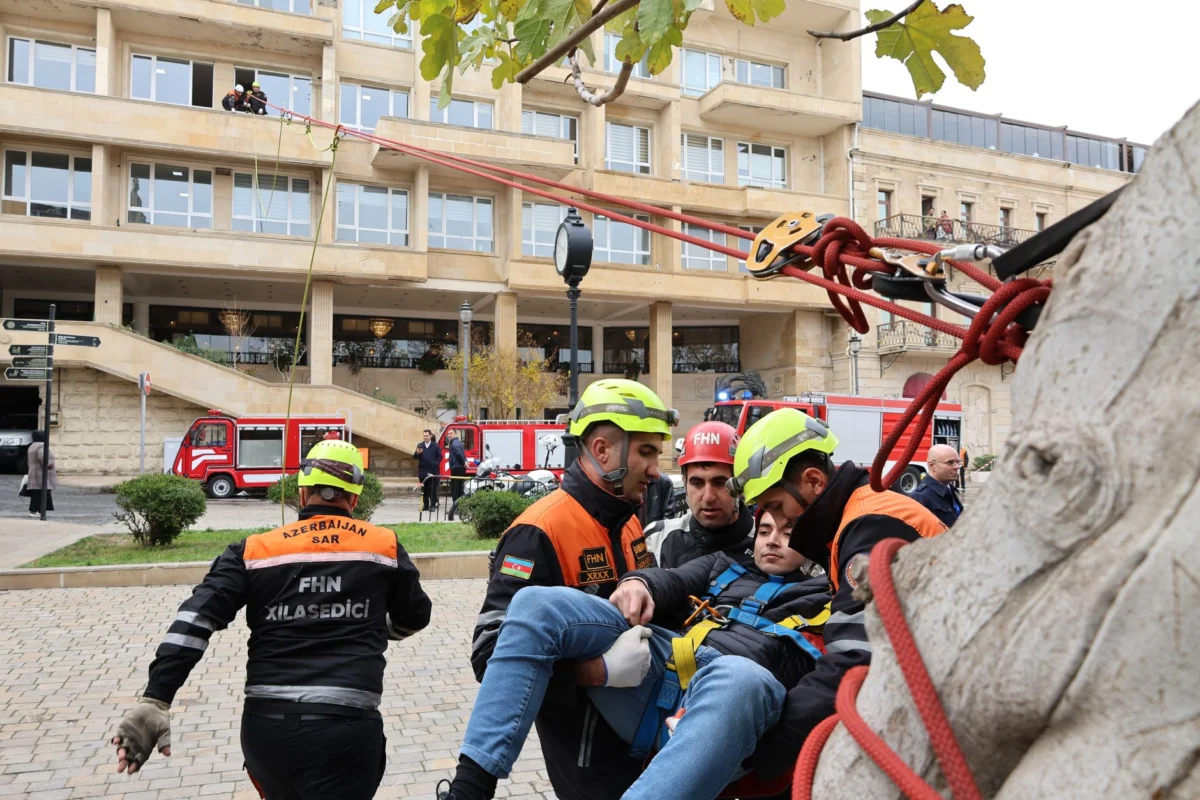
Ukraine emergency workers are racing to keep two eastern Ukrainian ‘fortress cities’ alive following intensified Russian attacks, moving quickly between sites as another wave of violence could begin at any moment. These cities, heavily fortified and strategically vital, rely on constant rescue and recovery operations to sustain civilian life and infrastructure amid ongoing warfare. The situation remains urgent and unpredictable, with emergency teams operating under persistent threat.
The term ‘fortress cities’ refers to urban areas that have been transformed into defensive strongholds, often with reinforced buildings, underground shelters, and limited but critical access routes. Emergency workers stationed in these zones must navigate damaged infrastructure, potential unexploded ordnance, and the constant risk of follow-up attacks while conducting search-and-rescue missions, delivering supplies, and coordinating medical responses. The psychological toll is immense, as these workers operate knowing that their window for safe action is extremely narrow.
Key Facts
- Emergency workers are responding to Russian attacks in eastern Ukraine.
- The affected areas are referred to as two ‘fortress cities’.
- There is a possibility of additional attacks occurring at any time.
- Response teams must act swiftly due to the threat of new strikes.
- The region remains under active military pressure.
What happens next?
Ukraine emergency workers continue to face a volatile operational environment where timing can mean the difference between life and death. Each new Russian attack on the fortress cities forces these teams to re-enter hazardous zones with incomplete intelligence and outdated maps, since prior bombardments may have altered entire city sections overnight. Their primary tasks include extracting trapped civilians, clearing debris from critical roads, and maintaining emergency communication lines — all while minimizing exposure to secondary explosions or renewed shelling. The frequency of incoming strikes makes long-term planning nearly impossible, compelling responders to prioritize immediate needs over sustained recovery efforts.
Coordination challenges compound the physical dangers. With power grids frequently down and cell towers destroyed, emergency dispatch centers often rely on radio networks that may falter during major combat events. Supply caches must be relocated multiple times, and field hospitals operate under strict resource constraints that limit treatment options even when casualties arrive quickly. Workers report having minutes—not hours—to set up temporary shelters or restore water access before the next wave hits, creating a relentless cycle of crisis response punctuated by brief moments of relative calm.
Beyond urgent rescues, these teams also play a crucial role in preserving basic civic function within the fortress cities. They distribute food and medicine, help manage refugee movements toward safer regions, and sometimes assist in forensic documentation if mass casualty events occur. However, their ability to stabilize conditions long-term is severely limited by the scale of destruction and the ongoing tempo of hostilities, leaving communities in a perpetual state of emergency dependency.
Who is affected?
The fortress cities themselves represent densely populated centers that remain symbolically and practically important despite being surrounded or partially besieged. Civilians living in these areas include elderly residents who cannot evacuate easily, families with young children, and essential personnel such as doctors, teachers, and local government staff who choose to stay in order to maintain minimal public services. These populations depend entirely on emergency worker interventions for everything from trauma care to clean water delivery, especially after each successive round of attacks disrupts remaining utilities.
For Ukraine emergency workers specifically, the job combines technical expertise with extraordinary personal risk. Many are volunteers or local residents who know the terrain intimately but lack full protective gear or advanced medical training. They often work without consistent shifts, resting in bomb shelters between calls and emerging at great personal cost whenever alarms sound again. Their efforts reflect both national resilience and international concern about how much longer such urban centers can endure without broader humanitarian relief corridors opening up.
What we know / What we don’t
Verified by the source:
- Russian attacks have occurred in eastern Ukraine recently.
- Two fortress cities are being sustained through emergency operations.
- Another attack is considered possible at any moment.
- Ukraine emergency workers are actively engaged in rescue and support roles.
Still unconfirmed:
- Exact identities and number of fortress cities involved.
- Total casualty figures or specific damage assessments.
- Tactics used by either side in relation to these locations.
- Timeline or frequency of future planned offensives.
- Names or organizational affiliations of individual responders.
Why it matters
The sustained defense of these fortress cities highlights the growing humanitarian crisis unfolding in eastern Ukraine, where civilian infrastructure and daily life remain under direct threat from renewed military action. The perseverance of Ukraine emergency workers underscores not only the bravery required to serve in active conflict zones but also the critical need for transparent reporting on conditions facing trapped populations. This story connects directly to broader shifts in regional security dynamics covered extensively in our war-geopolitics coverage, including analysis of shifting frontlines and their impact on adjacent economies tracked under our economy-markets section.
What to watch
Further updates will depend heavily on whether additional Russian strikes materialize and how Ukraine emergency workers adapt their strategies accordingly. Monitoring access corridors and international aid pledges may offer insight into whether these fortress cities receive expanded support beyond local response capacity.