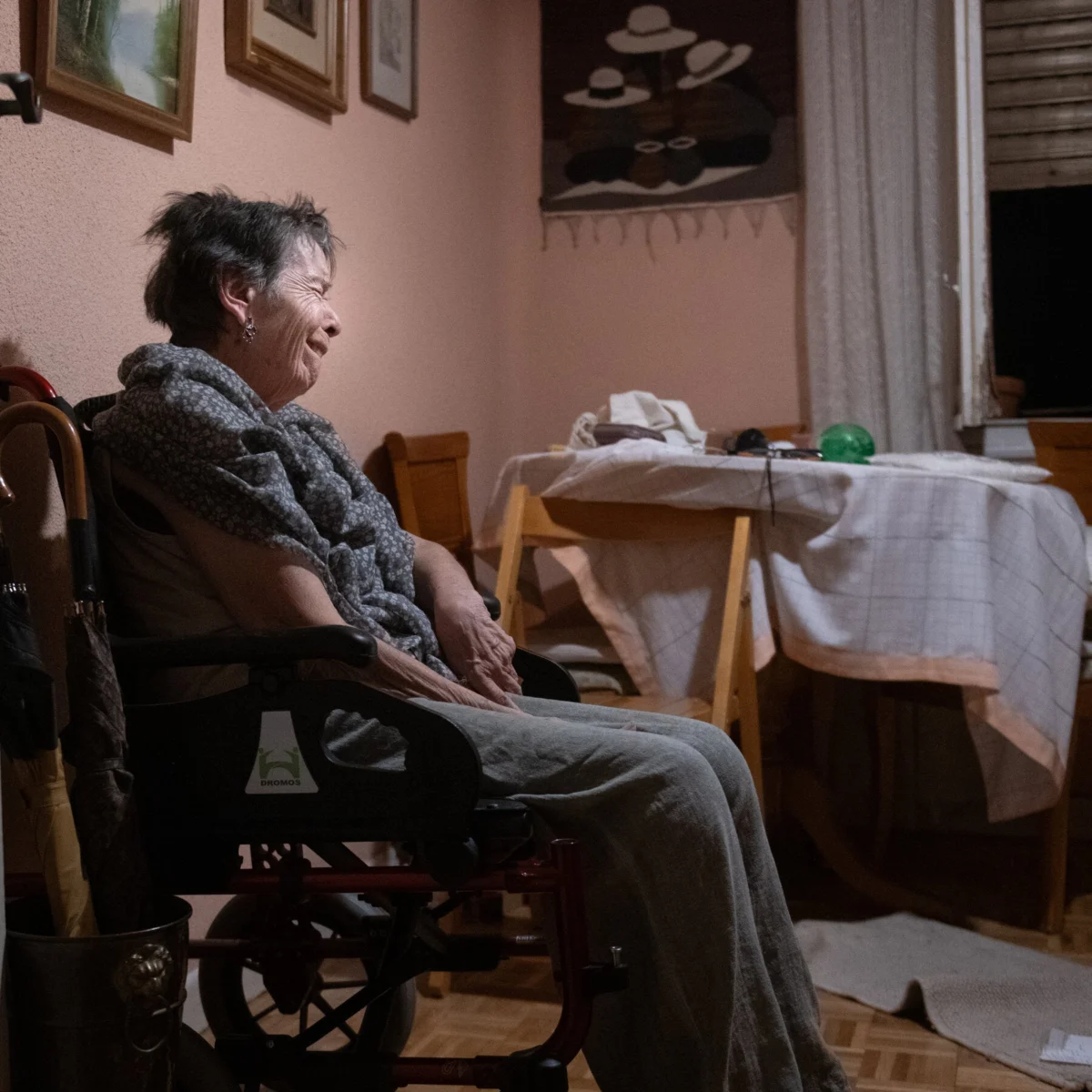
An 87-year-old woman whose eviction sparked protests in Spain is set to return to her home as the government signals upcoming measures to address the country’s housing crisis.
Key Facts
- An 87-year-old woman was evicted, prompting protests in Spain.
- Protests followed the eviction and highlighted Spain’s acute housing shortage.
- The government said it would present laws to protect renters.
- The eviction case became a symbol of wider housing affordability concerns.
- Madrid authorities are under scrutiny as housing pressures intensify.
The Story
What happens next?
The government has announced that legislation aimed at protecting renters will be presented soon, though the exact timing and scope remain unclear. This follows mounting pressure after the high-profile eviction of an elderly woman, which became a rallying point for advocates calling for stronger tenant protections. The case underscores how individual housing disputes can quickly become national political issues when they reflect deeper systemic challenges. Public demonstrations have already taken place, signaling broad dissatisfaction with current housing policies. Analysts note that addressing the housing crisis will likely require balancing tenant rights with property owner interests, a task complicated by regional variations in real estate markets across Spain. The outcome of these proposed reforms could shape the political landscape ahead of future elections, particularly in urban areas where housing affordability has grown increasingly strained. Advocates are pressing for rent controls, expanded public housing, and stricter limits on evictions for vulnerable residents. Meanwhile, economists warn that poorly designed policies could discourage investment in rental properties, potentially worsening supply shortages. The government faces the challenge of crafting legislation that provides meaningful relief without unintended consequences that might harm the broader housing market.
Who is affected?
Beyond the woman at the center of the case, millions of Spaniards struggle with rising rents and limited housing options, especially in major cities such as Madrid and Barcelona. Young families, low-income workers, and pensioners are among those most vulnerable to displacement. Tenant organizations have long argued that legal protections lag behind other European nations, leaving many at risk of sudden eviction without recourse. The visibility of an elderly person losing a home has amplified calls for urgent reform, lending a human dimension to abstract policy discussions. Housing advocates emphasize that evictions not only disrupt lives but also strain public services and deepen inequality. Regional governments have some authority over housing policy, but coordination with national authorities remains fragmented, contributing to uneven outcomes across communities. Critics of expansive tenant protections argue that landlords should retain flexibility to manage their properties and that excessive regulation may deter new construction. However, supporters counter that stable housing is a basic necessity and that the state has a responsibility to intervene when markets fail vulnerable populations.
How did we get here?
Spain’s housing crisis has been building for years, driven by population shifts toward cities, limited new construction, and speculative investment in real estate. Tourism growth and short-term rental platforms have reduced long-term housing availability in popular areas. Economic downturns and wage stagnation have made homeownership increasingly unattainable for younger generations, increasing reliance on the private rental market. Legal frameworks governing tenancy have changed infrequently, leaving existing rules outdated relative to current market dynamics. Previous governments introduced minor reforms, but advocates say they were insufficient to counterbalance structural supply constraints. The recent wave of protests reflects accumulated frustration following years of unaddressed affordability concerns. International comparisons suggest that Spain lags behind countries with stronger tenant protections and more robust public housing stock. Experts agree that comprehensive reform will require sustained political commitment and long-term funding strategies.
What We Know — and What We Don’t
Verified by the source:
- An elderly woman was evicted in Spain.
- Her eviction triggered public protests.
- The government plans to introduce renter protection laws.
- Spain faces an acute housing shortage.
Still unconfirmed:
- The exact date or location of the eviction.
- The legislative timeline for new rental laws.
- Specific policy measures the government intends to propose.
- Whether the evicted woman has officially moved back.
Why It Matters
The housing crisis in Spain reflects broader global trends where urban populations outpace affordable housing supply, making tenure security a defining socioeconomic issue for democracies worldwide.
What To Watch
Observers will watch whether the proposed legislation passes and how effectively it addresses the root causes of Spain’s housing shortage.