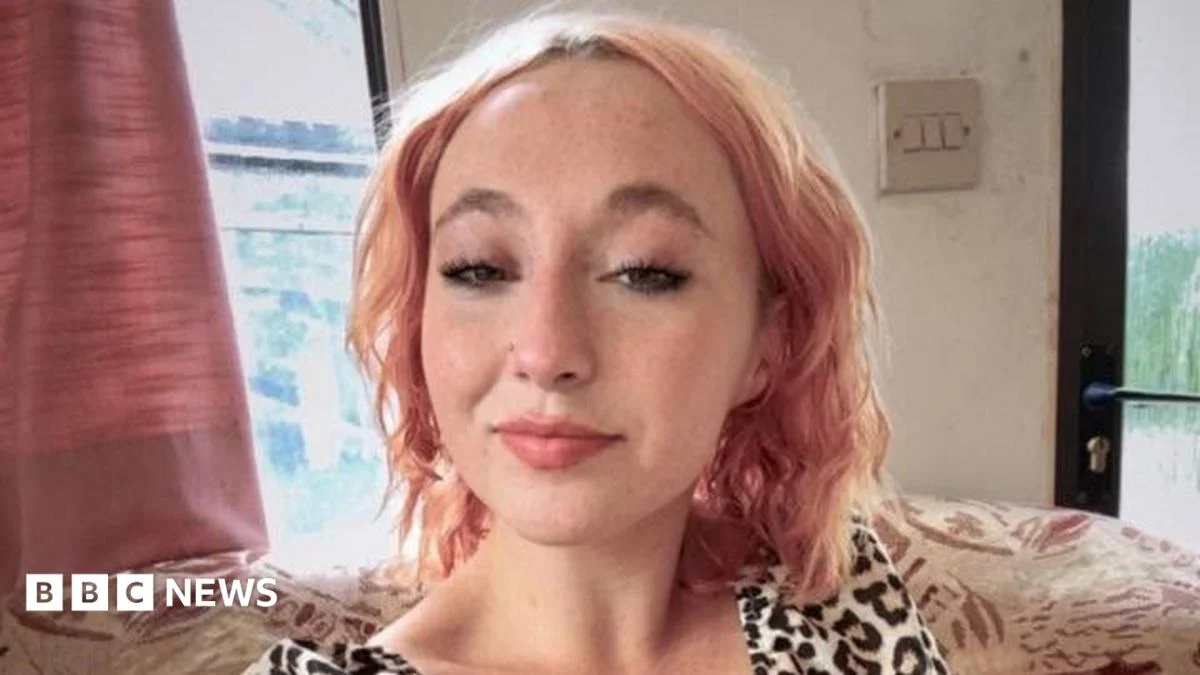
A man has been charged with the murder of Kelsey Hunter, a 20-year-old woman who has been missing since Saturday night. The development marks a significant shift in a case that began as a missing-person investigation. Authorities have not disclosed the identity of the accused or the evidence that led to the murder charge.
The charge indicates that investigators believe they have sufficient evidence to proceed with a homicide prosecution despite the absence of a body. Kelsey Hunter was last seen in Castle Douglas, a town in Dumfries and Galloway, Scotland. Her disappearance prompted a search operation before the case was reclassified.
KEY FACTS
- A man has been charged with murder
- The victim is Kelsey Hunter, a 20-year-old woman
- She has been missing since Saturday night
- She was last seen in Castle Douglas
THE STORY
From missing person to murder investigation
When a person is reported missing, police typically open a missing-person inquiry. That classification changes when evidence suggests a crime has occurred. A murder charge without a body is unusual but not unprecedented; prosecutors can proceed if they believe they can prove the victim is dead and that the accused caused that death. The decision to charge signals that investigators have gathered what they consider compelling evidence — which may include forensic material, witness accounts, or digital data — even though Kelsey Hunter has not been found.
Castle Douglas is a market town of roughly 4,000 residents. Missing-person cases in smaller communities often draw intense local attention and extensive search efforts involving police, volunteers, and specialist units such as search dogs and dive teams. The transition to a murder investigation typically brings additional resources, including major-crime detectives and forensic specialists.
What happens next in the legal process?
After a murder charge, the accused appears before a court — usually within a day — for a first appearance where no plea is entered. The case then moves through procedural hearings toward a trial. In Scotland, serious criminal cases are heard in the High Court before a judge and jury. The prosecution must disclose its evidence to the defense, and both sides may file motions before a trial date is set. Throughout this process, the search for Kelsey Hunter may continue in parallel, as locating her remains could provide crucial evidence for either side.
WHAT WE KNOW — AND WHAT WE DON’T
Verified by the source:
- A man has been charged with murder
- Kelsey Hunter, 20, has been missing since Saturday night
- She was last seen in Castle Douglas
Still unconfirmed:
- The identity of the man charged
- The evidence linking him to the alleged murder
- Whether Kelsey Hunter’s body has been located
- The nature of any relationship between the accused and the victim
- The exact time and circumstances of her disappearance
- When the accused will appear in court
WHY IT MATTERS
This case illustrates how quickly a missing-person inquiry can become a homicide prosecution when evidence shifts. For the community in Castle Douglas and for families following similar cases, the charge brings both a measure of accountability and profound uncertainty while a young woman remains missing. The outcome will test whether prosecutors can secure a conviction without a body — a legal threshold that demands rigorous proof.
WHAT TO WATCH
The accused’s first court appearance will confirm the formal charge and may reveal limited details about the prosecution’s case. Search operations for Kelsey Hunter are likely to continue.