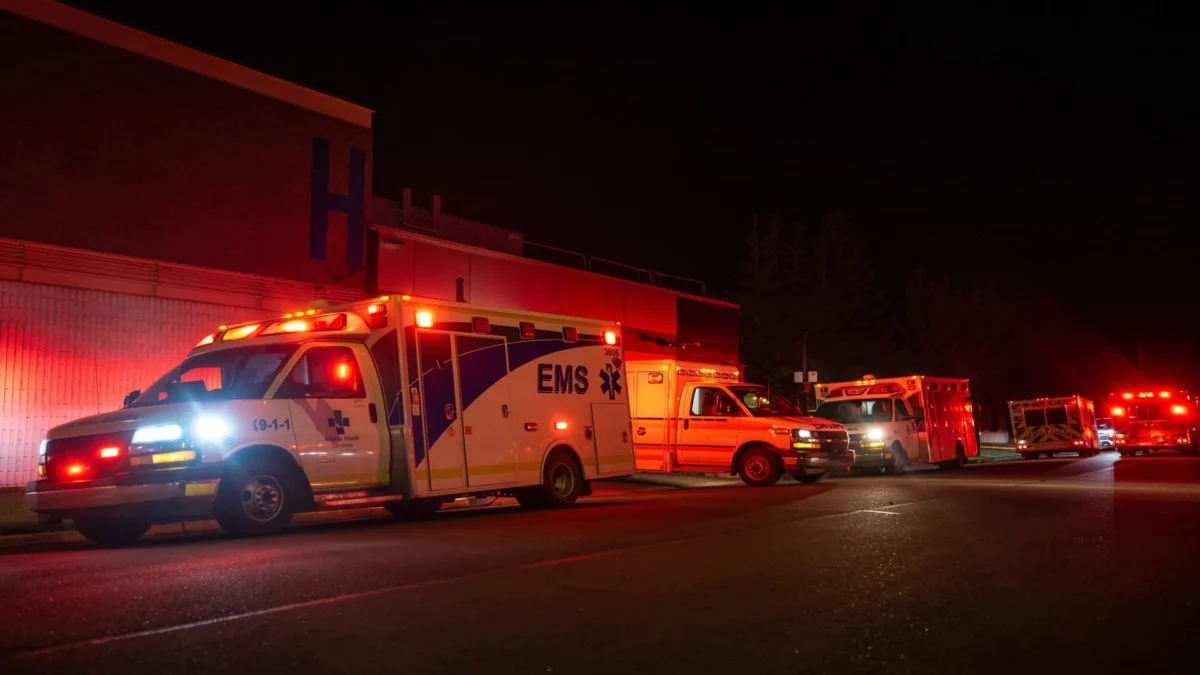
A major fire at a Canadian military base killed at least four people, marking one of the worst peacetime tragedies for the country’s armed forces.
Prime Minister Mark Carney called the incident one of the worst peacetime tragedies ever for Canada’s armed forces on home soil. The fire occurred at a military installation in Alberta, though further details about the exact location and timing remain unclear.
Key Facts
- At least four people were killed in the fire at a Canadian military base.
- Prime Minister Mark Carney described the incident as one of the worst peacetime tragedies ever for Canada’s armed forces.
- The fire took place at a Canadian military base in Alberta.
- The tragedy is considered among the worst peacetime incidents for the Canadian military on home soil.
The Story
What happens next?
Following the devastating fire at a Canadian military base in Alberta, investigators will likely work to determine the cause of the blaze and assess the full extent of the damage. Emergency response teams are expected to secure the area and provide support to affected personnel and families. Officials may also review base safety protocols and emergency preparedness procedures in light of the tragedy.
The incident has drawn national attention due to its severity and the high-profile acknowledgment from the Prime Minister. As investigations commence, the public and military leadership alike will be watching for updates on casualties, infrastructure damage, and any potential systemic issues that may have contributed to the fire.
Who is affected?
The loss of life in this fire represents a profound impact on the Canadian military community, particularly those stationed at the affected base in Alberta. Families of the deceased, fellow service members, and base personnel are likely experiencing grief and shock in the aftermath of such a significant loss.
Beyond the immediate victims and their loved ones, the broader Canadian armed forces may feel the ripple effects of this tragedy. The military’s operational capacity and morale could be influenced by the outcomes of the investigation and how effectively the institution responds to the needs of those affected.
As one of the worst peacetime tragedies for the Canadian military on home soil, the incident underscores the risks faced by service members even when not deployed in combat zones. It also raises questions about base safety standards and emergency response readiness across Canadian military installations.
How did we get here?
While the exact circumstances leading to the fire remain unknown, major incidents at military bases typically prompt comprehensive reviews of safety regulations and maintenance practices. The Canadian government has previously implemented measures to enhance base security and emergency response capabilities, though tragedies like this highlight ongoing vulnerabilities.
The fact that Prime Minister Mark Carney personally addressed the incident signals its significance to the nation. Historical precedents for peacetime military tragedies in Canada include past accidents involving training exercises and equipment failures, which have sometimes led to policy reforms and increased oversight of military operations.
What We Know — and What We Don’t
Verified by the source:
- At least four people died in the fire.
- Prime Minister Mark Carney labeled it a major peacetime tragedy.
- The fire occurred at a military base in Alberta.
Still unconfirmed:
- The exact time and date of the fire.
- The specific cause or origin of the blaze.
- The total number of casualties beyond the four confirmed deaths.
- The identity and condition of any survivors or injured individuals.
Why It Matters
This tragedy highlights the inherent risks faced by military personnel even during routine domestic operations. It also draws attention to the importance of robust safety measures and emergency response systems within government institutions responsible for national defense.
What To Watch
Officials have not yet released detailed findings from the ongoing investigation, but updates are expected as the situation develops. The public will be looking for information about victim identification, base safety audits, and any policy changes that may follow.