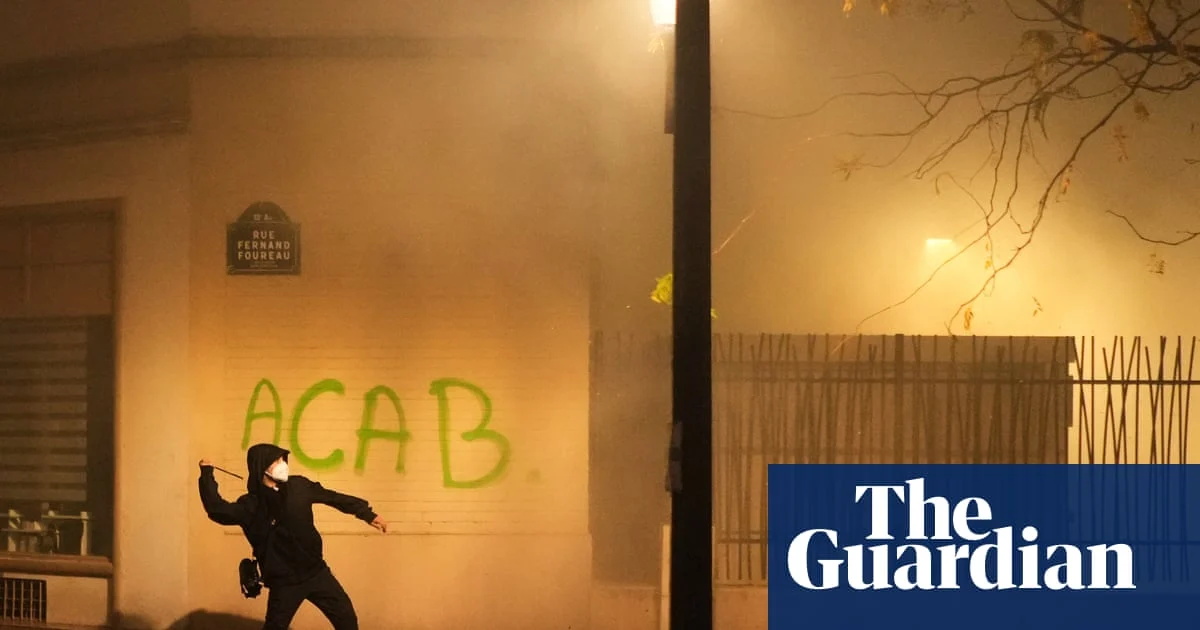
French President Emmanuel Macron is facing mounting criticism from trade unions who accuse him of threatening France’s right to protest through proposed legislation that would hold all participants in street demonstrations liable for vandalism damage, regardless of individual involvement. The bill, labeled by critics as a “vandal’s law,” seeks to shift financial responsibility onto innocent protesters, raising concerns about its impact on civic freedoms and the rule of law.
The controversy arises amid ongoing unrest in France, where high-school students have been blockading schools to demand action on teacher absences, urgent repairs to deteriorating school infrastructure, and reforms to the university applications platform. While the government frames the measure as a way to hold accountable those responsible for destructive acts during demonstrations, opponents warn it could chill legitimate dissent and disproportionately empower far-right narratives.
Key Facts
- Macron accused of endangering France’s right to protest through new protest liability bill.
- Government proposes making all protesters liable for vandalism damage, even if not directly involved.
- Trade unions criticize the move as harmful to the rule of law and potentially benefiting the far right.
- Bill comes amid ongoing student-led school blockades demanding education reforms.
- Macron leaves office next spring, intensifying scrutiny over legacy-era policies.
What Happens Next?
The French government is fast-tracking the bill, though details on parliamentary timelines remain unclear. Critics argue the legislation may face legal challenges if passed, particularly around constitutional protections for peaceful assembly. Legal experts suggest that holding individuals accountable for actions they did not commit could conflict with established principles of civic participation.
If enacted, the law could reshape how protests are policed and financed. Civil society groups have warned that such measures might deter public engagement, especially among younger generations already active in shaping social discourse. The outcome will likely depend on whether the proposal survives legislative hurdles and public backlash in the coming months.
Who Is Affected?
The proposed law primarily targets demonstrators across France, including students leading current school occupations. By expanding liability beyond direct offenders, it could affect tens of thousands of citizens participating in lawful assemblies. Trade unions argue that penalizing collective action undermines democratic norms, particularly when no mechanism exists to distinguish between perpetrators and bystanders.
Educators and parents are also impacted, as youth activism continues to shape national conversations on education equity. Meanwhile, far-right factions within French politics have remained largely silent, though analysts note that restricting protest rights can sometimes bolster extremist rhetoric by fostering distrust in state institutions.
What We Know — and What We Don’t
Verified by the source:
- Macron is accused by trade unions of risking France’s right to protest.
- The bill would make protesters liable for damage caused by others at demos.
- Opponents call the measure a “vandal’s law” detrimental to the rule of law.
- Student-led protests are ongoing over education conditions.
- Macron is due to leave office next spring.
Still unconfirmed:
- Exact text or legal wording of the proposed legislation.
- Timeline for when the bill will be debated or voted on in parliament.
- Specific penalties or financial caps included in the draft law.
- Official responses from the French government or Macron himself.
- Names of specific trade unions involved in opposition efforts.
Why It Matters
This debate sits at the intersection of democratic expression and public order — issues central to modern democracies worldwide. Restrictions on protest rights often spark broader questions about transparency, accountability, and the balance between security and freedom. How France navigates this tension may influence similar discussions elsewhere, especially as younger generations assert greater influence over policy directions.
What To Watch
All eyes now turn to France’s parliament, where the bill is expected to undergo review soon. Observers will watch closely for signs of compromise, pushback, or escalation in response to sustained civic pressure.
World news | The Guardian reports that Macron’s right to protest stands at risk amid his final policy push before stepping down next year.