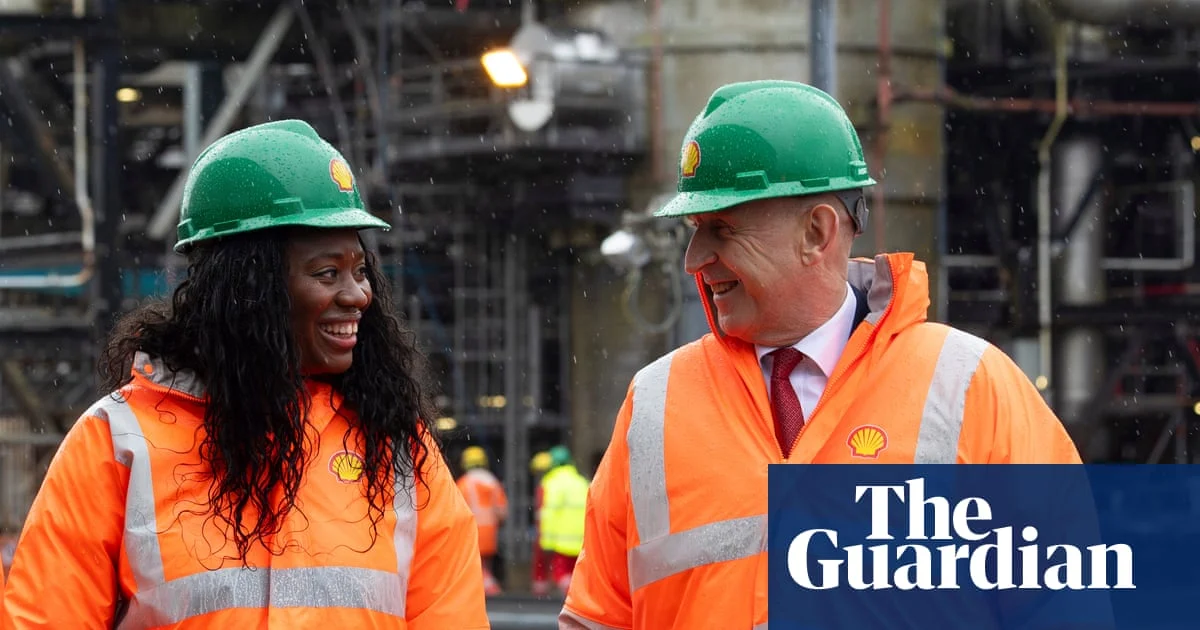
London — A cabinet split has emerged over whether to approve drilling at the Rosebank oilfield, highlighting internal divisions within the government over energy policy decisions. The chancellor, John Healey, reportedly supports the North Sea project, while the energy secretary, Miatta Fahnbulleh, is said to be leaning towards rejecting it. This divergence in opinion signals growing tension among senior officials regarding the future of domestic oil and gas developments.
The dispute centers on the fate of the Rosebank oilfield, located in the North Sea. While the chancellor backs the project, citing potential economic benefits and energy security gains, the energy secretary appears inclined to reject the proposal following her recent approval of another smaller field, Jackdaw. Her position may reflect broader environmental concerns as well as pressure from climate advocacy groups who oppose new fossil fuel extraction initiatives.
Key Facts:
- A cabinet split has emerged over the Rosebank oilfield decision.
- The chancellor, John Healey, supports the North Sea drilling project.
- The energy secretary, Miatta Fahnbulleh, is reportedly leaning against approval.
- She recently approved the smaller Jackdaw gasfield.
Who Is Affected by the Rosebank Oilfield Decision?
The outcome of the Rosebank oilfield decision will have wide-ranging implications for several stakeholders involved in the nation’s energy landscape. For policymakers, particularly those within the current administration like the chancellor and energy secretary, this choice represents a delicate balance between fostering domestic energy production and adhering to climate commitments aimed at reducing carbon emissions. Environmental advocates are watching closely; many have expressed strong reservations about expanding offshore drilling operations amid ongoing global efforts to transition toward renewable sources of power. Furthermore, local communities near potential drilling sites might experience both positive and negative impacts depending on the final ruling—ranging from job creation opportunities through increased industrial activity or conversely facing risks related to ecological disruption and heightened exposure to hazardous substances used during extraction processes.
How Did We Get Here?
Historically, the United Kingdom has maintained a complex relationship with North Sea oil and gas reserves since first beginning commercial exploitation decades ago. Over time, these resources contributed significantly not only to national revenue but also shaped regional economies across parts of Scotland where many platforms operate. However, more recently, shifting priorities towards achieving net-zero targets under successive governments introduced additional scrutiny into approving new projects such as Rosebank. Tensions escalated after previous administrations faced backlash over perceived inconsistencies between stated environmental goals versus actual policy outcomes supporting continued investment in hydrocarbon infrastructure despite mounting scientific consensus urging rapid decarbonization measures essential for mitigating catastrophic climate change effects globally today compared to earlier eras when regulatory frameworks were less stringent regarding sustainability considerations beyond immediate economic returns alone.
What We Know & Don’t Know
Verified by the source:
- A cabinet split exists over the Rosebank oilfield decision.
- The chancellor supports the North Sea project.
- The energy secretary leans towards rejecting it.
- Permission was granted for the smaller Jackdaw gasfield.
Still unconfirmed:
- The specific reason behind each official’s stance.
- Final decision timeline remains unclear.
- No quotes or formal statements have been attributed directly to any individual involved in the deliberations currently taking place behind closed doors at Downing Street headquarters located here.
METHOD
Why It Matters
This internal disagreement reflects wider debates occurring throughout Europe—and indeed internationally—about balancing short-term economic needs against long-term environmental sustainability imperatives. As public sentiment increasingly favors greener policies, leaders must navigate competing interests carefully lest they alienate key voter demographics concerned deeply about planetary futures while simultaneously ensuring affordable, reliable supplies remain accessible during transitional phases underway across global energy systems evolving rapidly toward cleaner alternatives ultimately necessary if humanity hopes meet ambitious UN Sustainable Development Goals set forth earlier this decade aimed curbing worst-case climate scenarios threatening coastal regions worldwide especially vulnerable island nations already experiencing tangible consequences arising unchecked greenhouse gas emissions predominantly originating from burning finite fossil fuel stocks extracted precisely places like Rosebank once thought inexhaustible bastions prosperity now recognized finite nature demands urgent reevaluation established practices guiding resource allocation decisions affecting generations yet unborn tomorrow.
What To Watch
Officials have not announced a definitive timetable for resolving the Rosebank oilfield decision. Observers expect further clarity following upcoming cabinet meetings scheduled later this month.