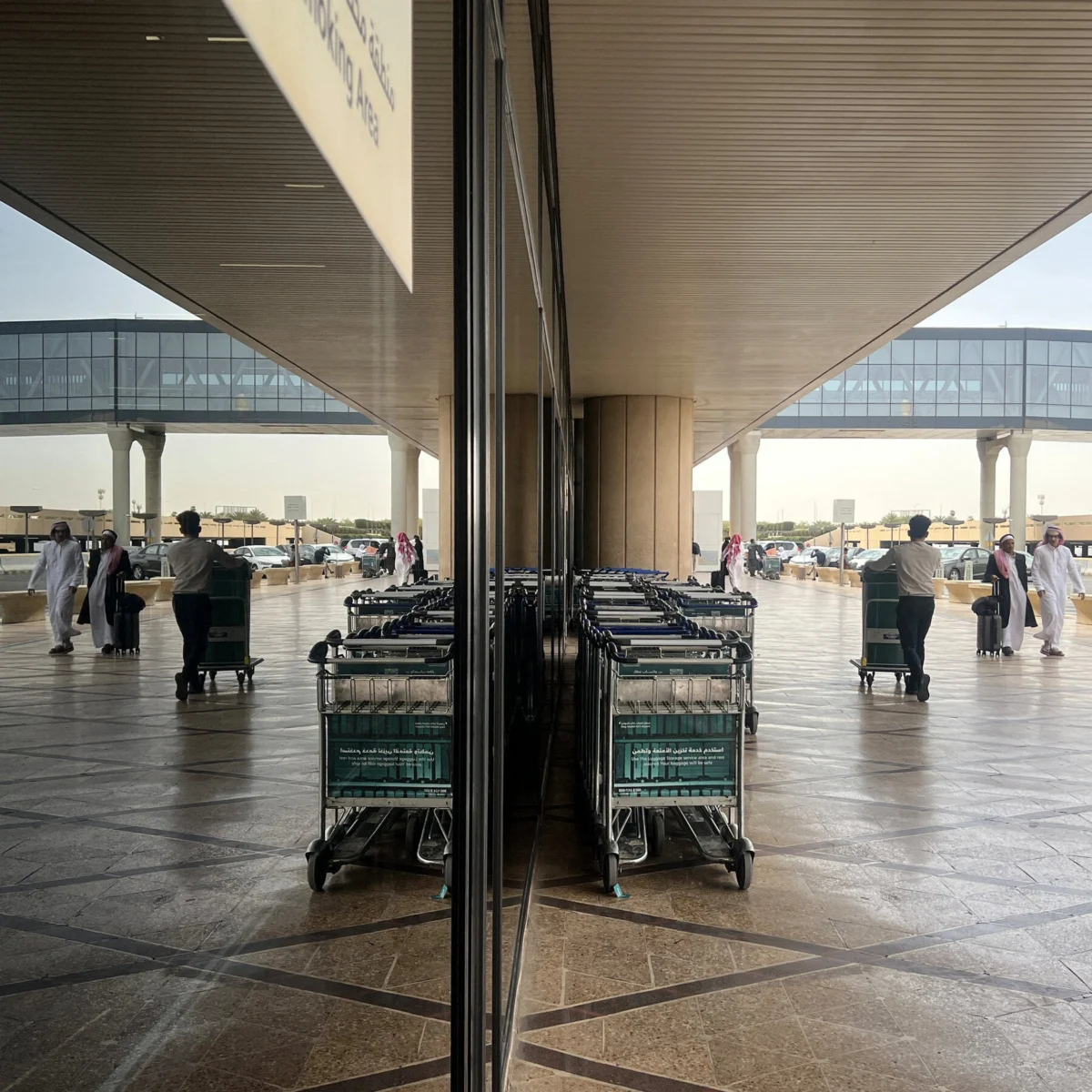
Saudi Arabia has reopened Riyadh airport even as the Iran-backed Houthi militia threatens further strikes, according to reporting by NYT > World News. The airport had been targeted by several deadly attacks earlier this month, prompting temporary closures and heightened security concerns. The decision to resume operations reflects the kingdom’s attempt to maintain normalcy amid ongoing regional tensions.
The reopening comes with continued risk, as the Houthis have vowed to carry out additional attacks. This development underscores the fragile security environment in the region and the challenges facing civil aviation infrastructure during active conflict. Saudi officials have not publicly detailed new protective measures now in place at the facility.
Key Facts
- Saudi Arabia has reopened Riyadh airport.
- The Houthis are described as an Iran-backed Yemeni militia.
- The Houthis launched several deadly attacks on the airport this month.
- The Houthis threaten further strikes on the airport.
The Story: What happens next?
The reopening of Riyadh airport signals a calculated effort by Saudi Arabia to project stability despite direct threats from the Houthis. The militia, which has escalated its cross-border operations in recent weeks, previously carried out multiple deadly attacks on the airport, disrupting both military and civilian air traffic. These strikes have drawn international attention to the expanding reach of the conflict beyond Yemen’s borders.
Analysts note that the resumption of flights may embolden the Houthis to continue targeting key infrastructure. The group has previously claimed responsibility for missile and drone assaults on Saudi cities, often citing retaliation for perceived aggression. With no public confirmation of enhanced defenses at Riyadh airport, questions remain about whether the facility can withstand future attacks without further disruption.
How did we get here?
The recent escalation follows a broader deterioration in regional security dynamics involving Saudi Arabia, Yemen, and their respective allies. The Houthis, who control large parts of northern Yemen, have increasingly targeted Saudi territory since 2019, including attacks on oil facilities and airports. Their growing capability to strike deep inside Saudi Arabia has complicated ongoing diplomatic efforts to broker a lasting ceasefire in Yemen.
The reopening of Riyadh airport also highlights the economic stakes involved. As the capital’s primary international gateway, any prolonged closure affects business operations, diplomatic travel, and humanitarian aid delivery. Saudi Arabia has invested heavily in strengthening its defenses, yet the persistence of Houthi threats suggests a protracted cycle of attack and response.
What We Know — and What We Don’t
Verified by the source:
- Saudi Arabia reopened Riyadh airport.
- The Houthis are identified as an Iran-backed Yemeni militia.
- Several deadly attacks were launched on the airport this month.
- The Houthis have threatened further strikes.
Still unconfirmed:
- No specific timeline for the attacks or reopening was provided.
- No details were given on safety or security upgrades at the airport.
- No official statements from Saudi government or Houthi spokespeople were included.
- No casualty figures or damage assessments from the attacks were reported.
Why It Matters
The reopening of Riyadh airport reflects the broader challenges of maintaining civic and economic resilience in conflict zones. For global airlines and travelers, such decisions carry significant operational and safety implications. Continued instability in Yemen and surrounding regions threatens not only local populations but also international supply chains and energy markets.
What To Watch
Future developments will depend on whether the Houthis follow through on their threats and how Saudi Arabia responds. Updates from official sources or international observers could clarify the scope of security measures in place. The situation remains fluid, and any new attacks would likely prompt immediate reassessments of flight routes and regional policies.