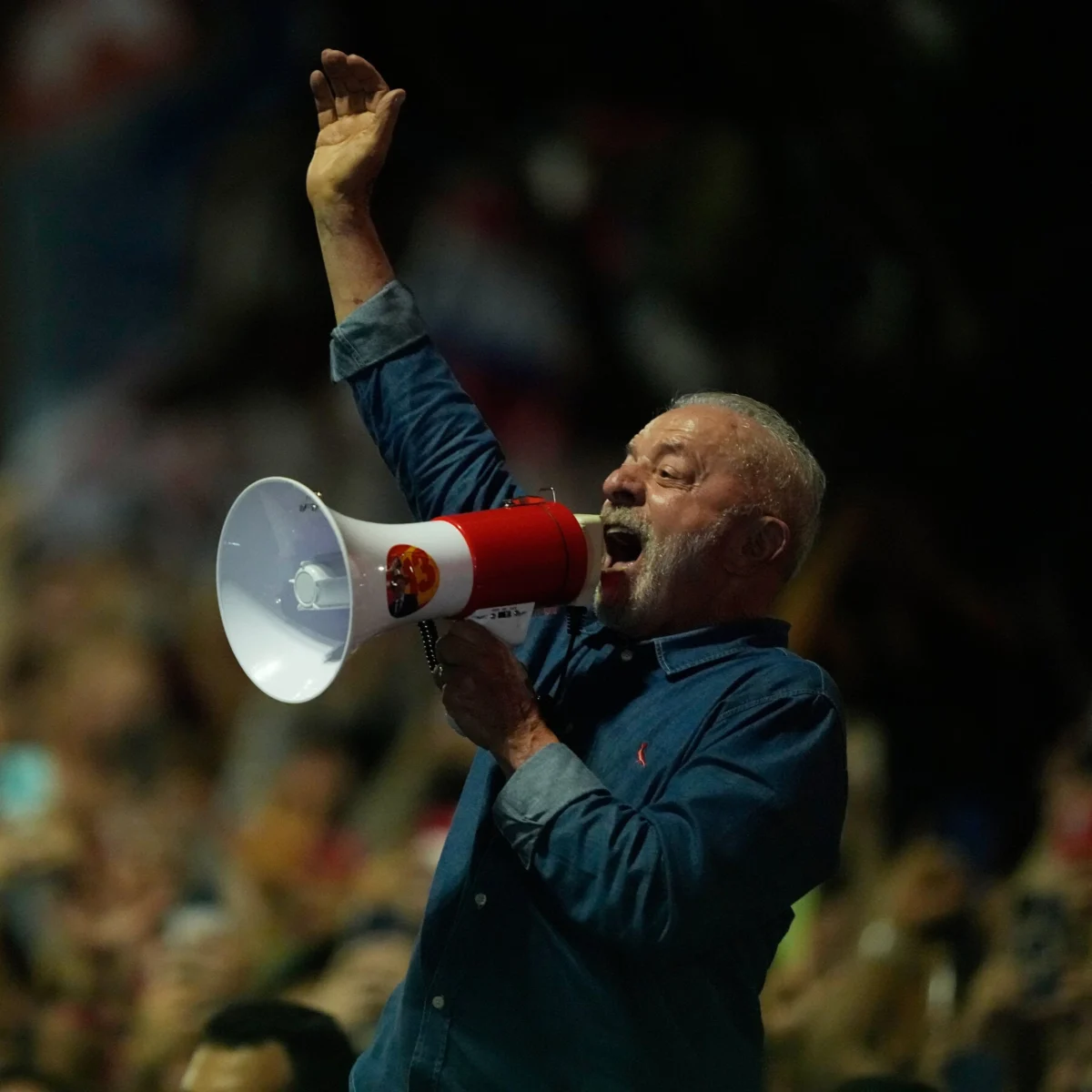
Luiz Inácio Lula da Silva won re-election as Brazil’s president, according to the New York Times. His victory reverses a streak of conservative wins across Latin America.
His opponent, Flávio Bolsonaro, rejected the outcome and called for the election to be annulled. The Brazil election result now faces legal and political scrutiny as the region watches closely.
Key Facts
- Lula wins re-election as Brazil’s president.
- Opponent Bolsonaro rejects result, calls for annulment.
- Victory ends conservative streak in Latin America.
- FLAVIO BOLSONARO seeks annulment of vote.
The Story
What happens next?
The Brazil election result may trigger institutional responses. While Lula’s win is certified, Bolsonaro’s call for annulment adds uncertainty. No court rulings or audits were reported by the Times.
Supporters of both candidates are expected to mobilize. Lula’s victory marks a leftward shift after years of conservative gains. The Brazil election result could influence regional alliances and policy directions.
Legal experts note that annulment requests require judicial review. Without evidence of fraud, such claims rarely succeed. The Brazil election result stands unless overturned by official processes.
Who is affected?
Brazilian voters, political parties, and government institutions are directly impacted. Internationally, Latin American leaders and global markets monitor the Brazil election result for stability signals.
Lula’s win reshapes national policies. His agenda may pivot toward social programs and environmental protection. The Brazil election result signals potential shifts in trade and diplomacy.
Citizens face uncertainty amid post-vote tensions. Public trust in electoral systems hangs in the balance. The Brazil election result tests democratic norms across the hemisphere.
How did we get here?
Brazil’s political landscape has swung between left and right for decades. Lula’s earlier presidency (2003–2010) established his popularity. The Brazil election result reflects voter fatigue with recent conservative rule.
Bolsonaro’s father, Jair Bolsonaro, lost the 2022 race amid controversy. FLAVIO BOLSONARO’s Senate campaign leveraged familial legacy. The Brazil election result underscores generational political dynamics.
Regional trends favored conservatives until now. Chile, Argentina, and Colombia saw right-wing gains. The Brazil election result breaks that momentum with Lula’s comeback.
What We Know — and What We Don’t
Verified by the source:
- Lula da Silva won Brazil’s presidential election.
- Flávio Bolsonaro rejected the result and called for annulment.
- The win ended a streak of conservative victories in Latin America.
Still unconfirmed:
- Vote margins, turnout figures, or state-level breakdowns.
- Validity or grounds of Bolsonaro’s annulment claim.
- Any ongoing legal or judicial proceedings.
- National or international reactions beyond summary.
Why It Matters
The Brazil election result affects one of the world’s largest democracies and economies. Regional powers watch closely as Latin America’s largest nation shifts politically.
What To Watch
Institutional responses and international recognition of the Brazil election result will clarify next steps. Legal challenges or audits, if any, could alter the transition timeline.