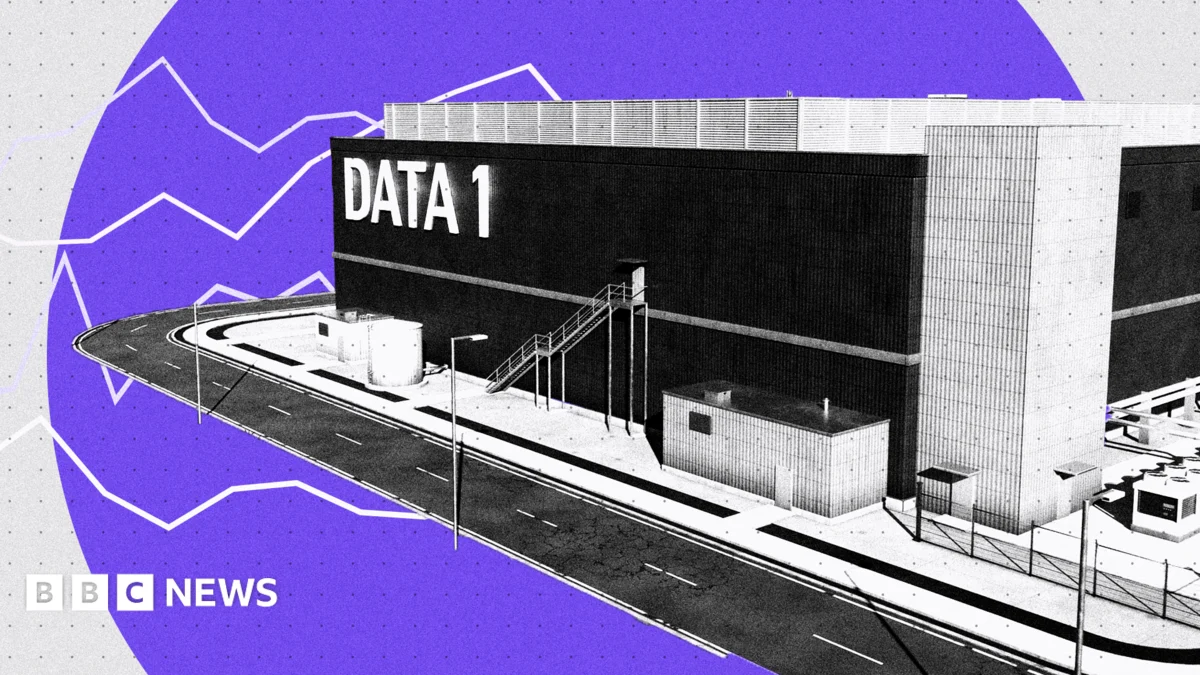
Data centres power the digital economy but face mounting scrutiny over their environmental footprint, especially as the US midterm elections approach. The BBC has explored the rapid rise of data centres using charts, highlighting the tension between digital demand and sustainability concerns.
With more devices relying on cloud services, data storage facilities are expanding globally. Critics argue their energy consumption and carbon emissions are contributing to climate change, intensifying the debate over regulation and industry practices.
KEY FACTS
- Data centre debate is gaining attention ahead of US midterms according to BBC News.
- BBC News explored the rise of data centres using charts to illustrate growth and environmental concerns.
- Growing concern exists over the environmental impact of data centre operations as reported by BBC News.
What is driving the data centre debate?
Data centres serve as the backbone of internet services, hosting everything from streaming platforms to banking transactions. Their growth has accelerated in recent years due to increased remote work, cloud computing adoption, and artificial intelligence demands.
However, these facilities consume vast amounts of electricity for both computing and cooling systems. According to BBC News, the environmental cost of this energy use is sparking public and political debate, particularly in regions where data centres are proliferating without strict oversight.
The timing of this discussion coincides with the upcoming US midterm elections, suggesting that policy decisions around tech infrastructure and climate goals may influence voter sentiment and legislative priorities.
Who is affected by the data centre debate?
Local communities near large data centre installations often bear the brunt of noise pollution and heat discharge, while also seeing limited job creation compared to promises made during planning phases.
Environmental groups have raised alarms about the carbon footprint of these facilities, especially those powered by non-renewable energy sources. Meanwhile, tech companies argue that data centres drive innovation and economic growth, advocating for balanced regulations that do not stifle progress.
The tension reflects broader questions about how societies balance digital advancement with ecological responsibility—a challenge that will likely shape future policies discussed during election cycles like the US midterms.
What happens next in the data centre debate?
As the US midterms draw closer, policymakers may revisit existing laws governing energy usage standards for data centres. Industry analysts predict increased scrutiny regarding transparency in reporting emissions and renewable energy adoption rates.
Additionally, consumer awareness around green computing practices could push corporations toward adopting cleaner technologies. Whether new legislation emerges post-election remains uncertain, but the conversation sparked by BBC News signals continued attention to this critical intersection of technology and environment.
What We Know — and What We Don’t
Verified by the source:
- BBC News explored the rise of data centres using charts.
- Data centres are described as lifeblood of the digital world.
- Growing concerns exist about the environmental impact of data centres.
- The debate is heating up ahead of US midterms.
Still unconfirmed:
- Precise statistics on global data centre energy consumption.
- Specific policy proposals being considered for US midterm campaigns.
- Names of any officials or organizations leading regulatory discussions.
Why It Matters
This story matters because data centres form the invisible engine behind nearly every online activity, from social media to financial transactions. Their environmental toll intersects with urgent climate goals, making it a key issue for voters, regulators, and businesses alike—especially during pivotal elections such as the US midterms.
What To Watch
Watch for updates on whether data centre regulation becomes a campaign topic in the US midterms, and whether BBC or other outlets publish further analysis on tech-sector climate impacts.