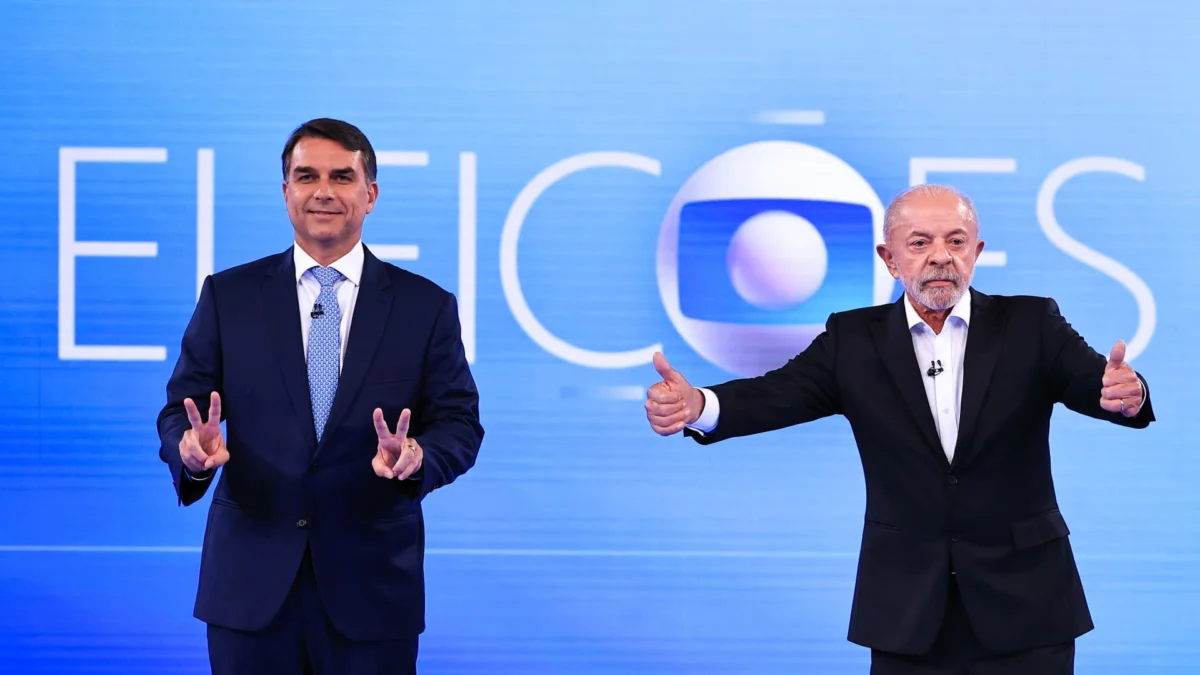
Luiz Inácio Lula da Silva and Jair Bolsonaro each rallied supporters on Saturday, the final day of campaigning before Brazil’s presidential runoff vote on Sunday.
The contest remains extremely close, with recent polling indicating little separation between the two candidates after Bolsonaro’s stronger-than-expected performance in the first round of voting earlier this month.
KEY FACTS
- Lula and Bolsonaro held campaign rallies on the final day before the Brazil presidential runoff.
- Polls show the race remains neck and neck following the first round of voting.
- Bolsonaro’s first-round showing was described as stronger-than-expected.
- The runoff vote decides the next president of Brazil.
How Did We Get Here?
Brazil’s electoral system requires a runoff when no candidate wins an absolute majority in the first round, which occurred after the initial vote. Both Lula, a leftist former president seeking a return to office, and Bolsonaro, the incumbent right-wing senator, advanced to the second round.
Polling since the first round has shown minimal change, suggesting voter preferences have largely solidified. The narrow margin underscores the deep political divisions within the country and the high stakes of the outcome for domestic and international observers.
Economic concerns, public security, and social policy remain central to voter sentiment as the nation prepares to choose between two starkly different visions for the future.
What Happens Next?
Voters across Brazil will head to the polls on Sunday to cast their ballots in the decisive second round. The result will determine whether Lula returns to the presidency after years away from government or Bolsonaro secures re-election.
Election officials oversee the voting process using Brazil’s electronic ballototing system, which has been in place for decades. International observers may monitor proceedings depending on formal invitations and accreditation arrangements.
Analysts note that the tight margin increases pressure on both campaigns to mobilize turnout while managing expectations. A clear winner avoids prolonged uncertainty, though legal challenges or disputed results could extend the timeline.
WHAT WE KNOW — AND WHAT WE DON’T
Verified by the source:
- Campaign events took place on the final day before the runoff.
- Polls suggest a close contest between the two main candidates.
- Bolsonaro’s first-round performance exceeded some expectations.
- The runoff vote determines Brazil’s next president.
Still unconfirmed:
- Exact polling numbers or lead margins between candidates.
- Specific locations or attendance figures for Saturday’s rallies.
- Final voter turnout projections or legal observer participation.
WHY IT MATTERS
The Brazil presidential runoff reflects a broader pattern of polarized democracies grappling with divergent policy paths and contested narratives about governance, economic direction, and social priorities.
WHAT TO WATCH
All eyes turn to Sunday’s vote, where a narrow margin could trigger post-election legal review or further political turbulence depending on the result.