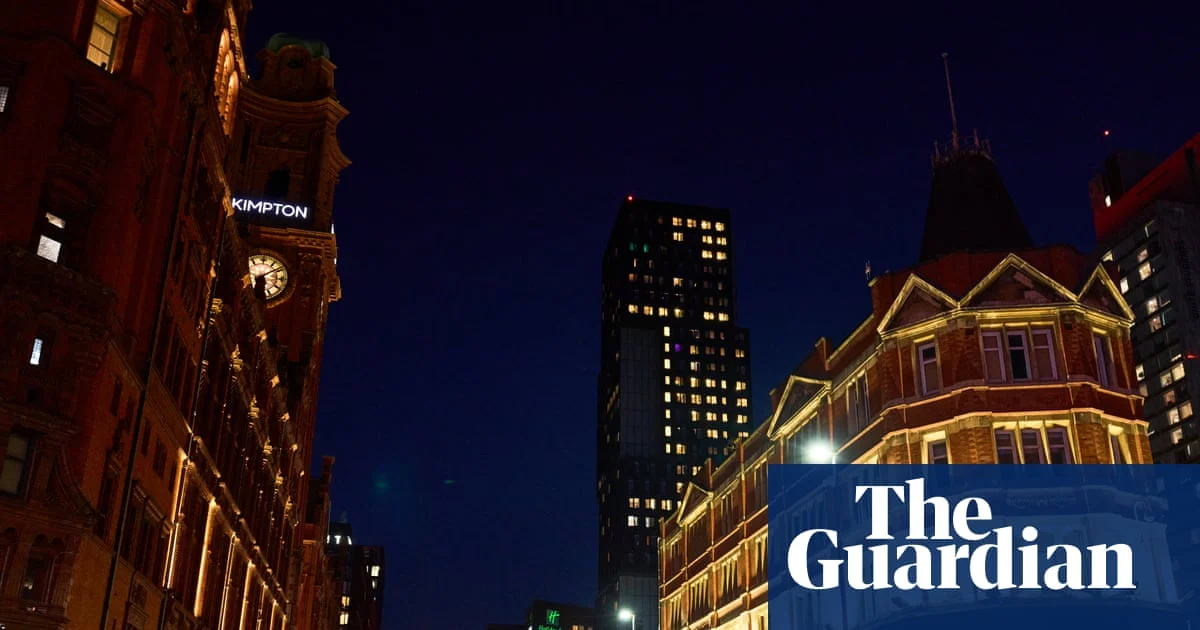
LEDE
Emirati-linked companies own almost 40% more land in Greater Manchester than a decade ago, according to an analysis by Business | The Guardian.
The increase in Manchester land ownership has drawn renewed scrutiny of the city’s economic relationships with entities connected to the United Arab Emirates, particularly following controversy surrounding Manchester City’s financial conduct.
From 51 titles in 2016 to 168 in 2026, the area held rose from 73 to 101 hectares.
KEY FACTS
- 39%% rise in total Manchester land area owned by Emirati-linked firms.
- Land titles owned increased from 51 in 2016 to 168 in 2026.
- Total area grew from 73 hectares to 101 hectares.
- Ownership concentration increased within Greater Manchester.
- Scrutiny follows scandal involving Manchester City’s financial rules.
THE STORY
How did we get here?
Over the past decade, Emirati-linked firms have steadily expanded their real estate footprint across Greater Manchester. The number of registered land titles rose from 51 in 2016 to 168 in 2026, marking a significant shift in local property ownership patterns.
This growth coincides with broader investments in UK infrastructure and business ventures tied to the UAE. As these firms acquire more Manchester land, analysts note parallels with previous high-profile deals involving regional stakeholders.
The timing also aligns with ongoing debates over foreign investment transparency and municipal oversight. While such holdings may support development goals, they raise questions about long-term control of strategic assets within UK cities.
What happens next?
Public attention has intensified after recent scandals linked to Manchester City Football Club’s financial practices. That case highlighted concerns around unchecked influence from Gulf-based investors in key sectors including sports, retail, and real estate.
Government bodies and civic leaders are being urged to review disclosure frameworks governing foreign land purchases. Calls for stricter reporting requirements have emerged alongside demands for greater clarity on beneficial ownership structures behind corporate entities holding UK property.
Still, no formal policy changes have yet been announced. Officials may face pressure to act if public sentiment continues shifting toward tighter regulation of international capital flows into British urban centers.
Who is affected?
Residents and businesses operating within Greater Manchester could feel indirect effects through altered neighborhood dynamics and potential shifts in housing markets where large-scale land acquisitions occur.
Local councils themselves lack detailed visibility into ultimate beneficiaries of some of these transactions due to complex offshore structures commonly used in Crossrail-linked developments and other major projects.
Additionally, national policymakers must balance attracting investment against safeguarding sovereignty over critical land resources—an issue gaining traction amid Brexit-related re-evaluations of economic partnerships beyond Europe.
WHAT WE KNOW / WHAT WE DON’T
Verified by the source:
- Number of land titles rose from 51 to 168 between 2016 and 2026.
- Total area increased from 73 to 101 hectares.
- Change represents approximately a 39% increase in owned land mass.
- Analysis was conducted by Business | The Guardian.
- Scrutiny follows scandal related to Manchester City’s financial compliance.
Still unconfirmed:
- Exact identities of all Emirati-linked companies involved.
- Nature of intended use for acquired plots.
- Potential impact on local communities or housing availability.
- Any planned future acquisitions or divestments.
WHY IT MATTERS
Foreign ownership of urban land influences everything from affordable housing supply to local tax bases. Understanding who controls Manchester land helps citizens assess risks tied to concentrated wealth flows and ensures democratic accountability in planning decisions.
WHAT TO WATCH
Regulatory responses from Whitehall and town halls remain pending. Any new transparency legislation targeting overseas property holders would clarify how such trends evolve going forward.
Meta Description: Emirati-linked firms now own nearly 40% more Manchester land than ten years ago, according to data analyzed by Business | The Guardian.