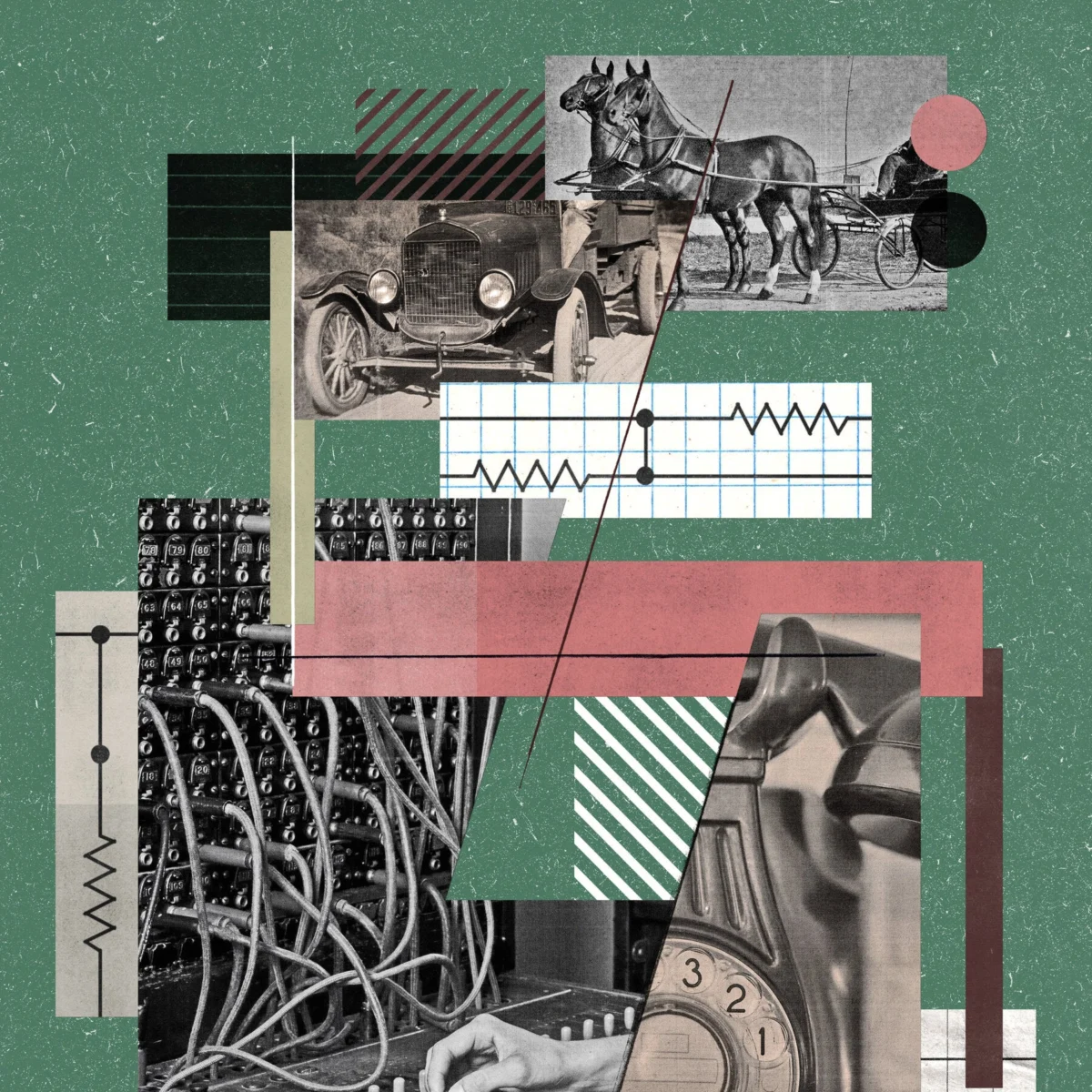
Economists are looking to past labor disruptions, from the Industrial Revolution to the Great Depression, to better anticipate how AI and work will shift in the coming decades. These historical episodes offer patterns and lessons that may help shape policy and prepare workers for future changes.
By studying how economies adapted to earlier waves of automation and upheaval, researchers hope to identify which groups were most affected and how labor markets eventually stabilized. The goal is not to predict exact outcomes, but to build informed models based on documented economic transitions.
Key Facts
- AI and work: Economists study past labor disruptions to predict AI’s impact on jobs.
- Focus period: Industrial Revolution to the Great Depression.
- Goal: Help prepare for the age of artificial intelligence.
- Source: NYT > Business covers the research angle.
Why History Matters for AI and Work
Economic historians point to the Industrial Revolution as a period when machines replaced manual labor, yet employment eventually rebounded. The transition was neither smooth nor immediate. Workers faced displacement, wage shifts, and new skill demands. Economists now ask whether AI-driven changes will follow a similar arc, and what policies could reduce hardship during the shift.
Studying these past disruptions helps identify common factors: speed of adoption, overlap between education and job needs, and the role of government support. Researchers emphasize that no two technological shifts are identical, but patterns can guide preparation for how AI and work will merge.
Who Is Affected by AI and Work Changes?
Past disruptions show that certain sectors and worker groups bear the earliest costs of technological change. Manufacturing, transportation, and clerical roles often faced the first round of automation. Economists expect AI and work to follow a comparable path, raising questions about retraining programs, unemployment buffers, and income support.
Policy makers are weighing how to apply lessons from earlier recoveries. Historical data suggests that proactive adaptation—education reform, wage insurance, and job placement services—can shorten adjustment periods. The key challenge is timing: acting early enough to prevent prolonged unemployment as AI and work evolve.
What We Know — and What We Don’t
Verified by the source:
- Economists are using past labor disruptions to study AI’s potential impact on jobs.
- The Industrial Revolution and Great Depression are cited as reference periods.
- The research aims to help prepare for the age of artificial intelligence.
Still unconfirmed:
- Specific policy recommendations being considered by economists.
- Timeline for when AI-related job shifts may accelerate.
- Sectors most likely to be disrupted next.
Why It Matters
Understanding how past labor markets adapted to major disruptions gives societies a roadmap for managing AI and work transitions. History does not guarantee future outcomes, but it highlights risks and tools for reducing economic displacement.
What To Watch
Further research and policy proposals from economists will clarify which historical lessons are most relevant as AI and work continue to reshape labor markets.
Economists study past labor disruptions, from the Industrial Revolution to the Great Depression, to predict how AI and work will change.