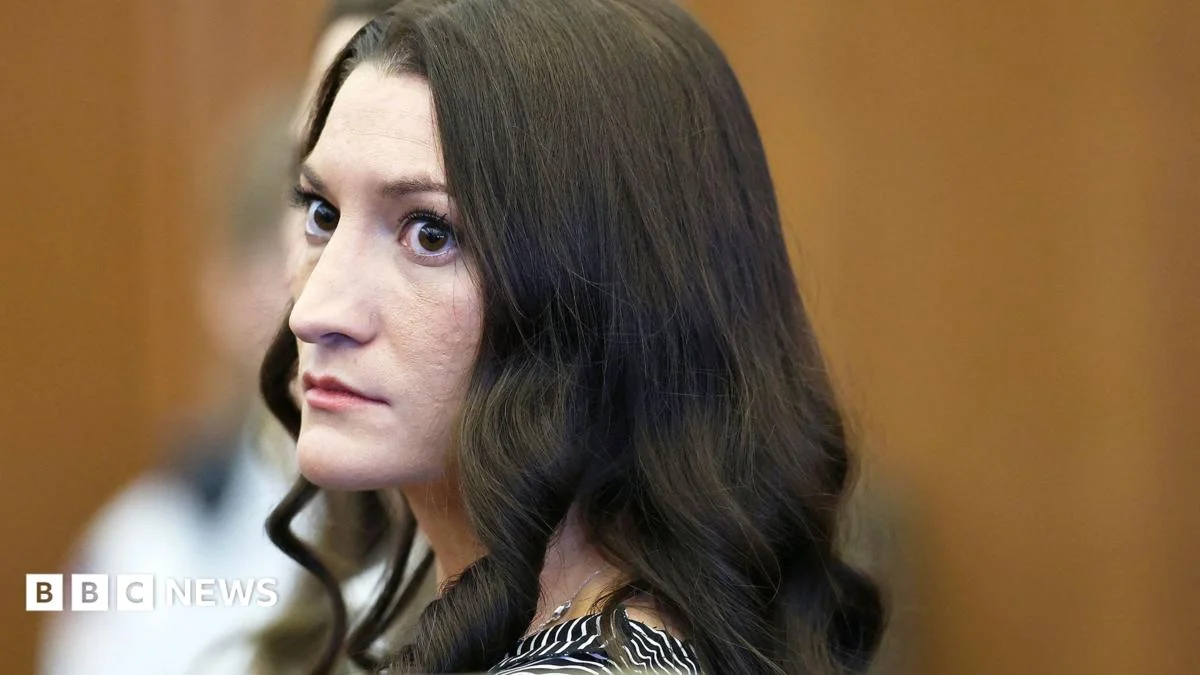
Lindsay Clancy will face a retrial next year after her first trial ended without a verdict. The 36-year-old is accused in the deaths of her three children, and a 12-person jury failed to reach a unanimous decision earlier this year.
The case now returns to court for a new proceeding, a standard legal step when a jury deadlocks. Prosecutors and defense attorneys will present evidence again before a different panel of jurors.
KEY FACTS
- Lindsay Clancy, 36, will face a retrial next year
- The charges involve the deaths of her three children
- Her first trial this year ended with a hung jury
- A 12-person jury failed to reach a verdict
THE STORY
How the first trial ended
The initial trial concluded this year when jurors informed the court they could not agree on a verdict. In criminal cases, a unanimous decision is required for conviction or acquittal. When jurors cannot reach consensus, the judge declares a mistrial. This outcome does not determine guilt or innocence; it simply means the panel was divided.
Legal rules allow prosecutors to seek a new trial after a hung jury. The decision to retry rests with the prosecution, who must weigh the strength of their case, available resources, and the likelihood of a different outcome.
What happens next in the Lindsay Clancy retrial?
A retrial means the entire process begins anew. Both sides may adjust strategies based on what they learned during the first proceeding. Witnesses may be called again, evidence reintroduced, and arguments refined. A new jury will be selected through the same screening process designed to ensure impartiality.
The timeline for the new trial is set for next year, giving both parties months to prepare. Courts typically schedule retrials after resolving any pre-trial motions, such as challenges to evidence or changes in legal representation.
General context on retrials in the legal system
Hung juries occur in a small but significant percentage of criminal trials. The justice system treats a mistrial as a procedural reset rather than a final judgment. Double jeopardy protections do not bar retrial after a hung jury because the first proceeding did not produce a verdict. This principle ensures cases can be decided on their merits rather than ending in procedural limbo.
For families and communities involved, a retrial extends the wait for resolution. Support services often remain available throughout the extended process. The legal system aims to balance the defendant’s right to a fair trial with the public interest in a definitive outcome.
WHAT WE KNOW — AND WHAT WE DON’T
Verified by the source:
- Lindsay Clancy is 36 years old
- She faces charges related to the deaths of her three children
- Her first trial took place this year
- A 12-person jury could not reach a verdict
- A retrial is scheduled for next year
Still unconfirmed:
- The specific charges filed against Clancy
- The exact date or month of the retrial
- Whether the prosecution or defense requested the retrial
- Any changes to the legal teams or evidence
- The location of the courthouse
- Details about the children or the circumstances of their deaths
WHY IT MATTERS
This case highlights how the legal system handles deadlocked juries in high-stakes criminal matters. A retrial consumes significant judicial resources and prolongs uncertainty for everyone involved. The outcome will test whether a new jury can reach consensus on the same evidence, a question central to the jury system’s reliability.
WHAT TO WATCH
The court will set a specific retrial date in the coming months. Any pre-trial rulings on evidence or procedure could shape the second proceeding.