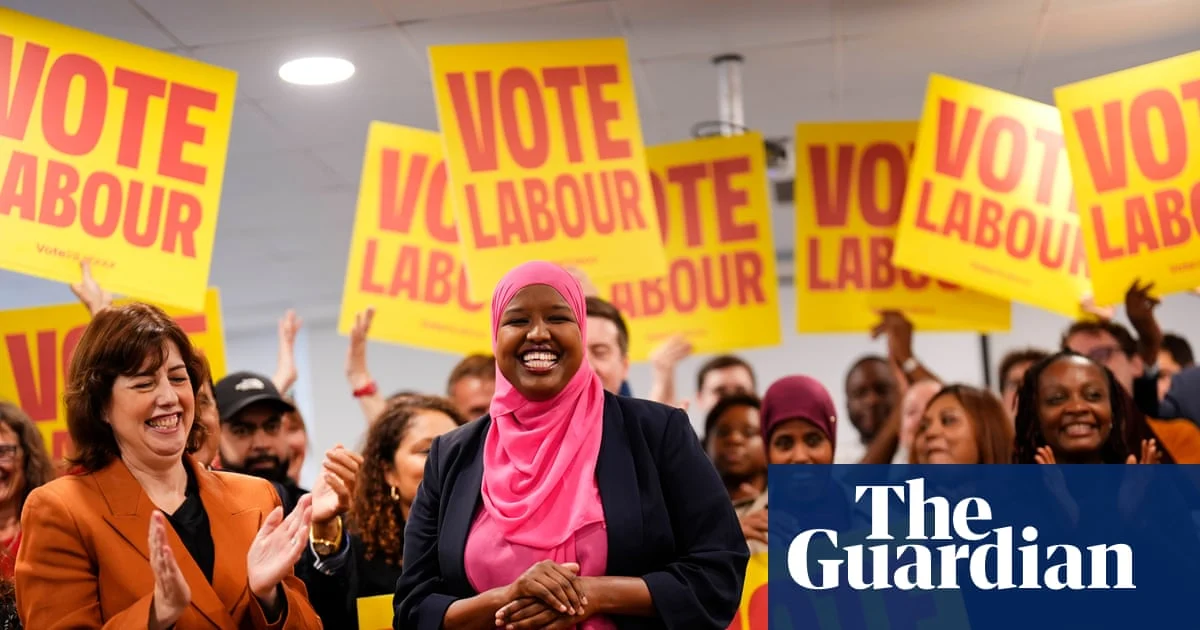
Lede
Labour’s victory in the Holborn and St Pancras byelection indicates an early sign that the party may be winning back voters on the political left, according to its deputy leader.
Sagal Abdi-Wali secured 45% of the vote for Labour, retaining the seat formerly held by Keir Starmer, while Zack Polanski of the Greens finished second with 33%. The Labour deputy leader framed the result as evidence that the party is beginning to appeal again to left-leaning voters disillusioned during Starmer’s leadership.
Key Facts
- Labour byelection win kept the Holborn and St Pancras seat.
- Sagal Abdi-Wali received 45% of the vote.
- Zack Polanski came second with 33%.
- The deputy leader said Labour is winning back left-leaning voters.
- Turnout was described as relatively low.
Who Is Affected?
The result directly affects three groups: Labour and Green party members, left-leaning voters who shifted between them, and residents of the north London constituency. For Labour, holding the seat removes immediate pressure on the leadership and provides a modest boost to morale after a period of electoral losses and internal criticism. For the Greens, finishing second—ahead of their position before Starmer’s resignation—suggests they remain competitive in urban, progressive areas, though still behind Labour.
Political analysts will watch whether this single result reflects a broader trend. By-elections often produce protest votes or mid-term swings, so one victory does not confirm a lasting shift. However, Labour’s deputy leader explicitly tied the outcome to regaining voters disillusioned under Starmer’s leadership, suggesting the party believes its messaging or policy positioning has resonated again with the left.
The relatively low turnout tempers the scale of the mandate. Still, Labour’s margin over the Greens—15 points ahead in the result and now reportedly 15 points ahead in national polling—marks a clear improvement over the pre-Starmer-resignation gap where the Greens previously led Labour among left voters.
How Did We Get Here?
The context stems from Keir Starmer’s resignation and the subsequent political realignment. Before his departure, the Greens had polled ahead of Labour among left-leaning voters, reflecting frustration with Labour’s direction under his leadership. Starmer’s exit opened space for Labour to rebrand or recalibrate its appeal to the left, while the Greens competed to absorb that same demographic.
This byelection was the first electoral test under the new dynamic. Labour’s candidate, Sagal Abdi-Wali, benefited from Starmer’s local ties and the party’s campaign focus on retaining the seat. The Greens ran Zack Polanski, who led his own party through the campaign. With turnout described as relatively low, the 45%–33% split indicates a defined but not overwhelming Labour advantage.
Nationally, Labour now reportedly polls 15 points above the Greens, reversing the previous gap. Whether this Holborn and St Pancras result catalyzed that change or merely reflected it remains unclear, but the deputy leader framed it as evidence that the party’s efforts to win back left voters are working.
What Happens Next?
Labour and Green strategists will assess whether this byelection result translates into wider electoral gains in upcoming contests. The deputy leader’s claim that left-leaning voters are returning suggests the party may adjust messaging or policy emphasis accordingly. Meanwhile, observers will monitor whether the 15-point polling gap over the Greens holds through future surveys and local elections.
The next test comes when national polling updates and additional by-elections are scheduled. A consistent trend toward Labour in left-leaning urban seats would confirm the narrative advanced by the deputy leader; a reversal would suggest this result was isolated. Either way, the Greens’ continued second-place finishes signal their ongoing relevance as a progressive alternative, particularly if Labour stalls.
Verified by the source:
- Labour won the Holborn and St Pancras byelection.
- Sagal Abdi-Wali took 45% of the vote.
- Zack Polanski finished second with 33%.
- Turnout was relatively low.
- Labour now reportedly polls 15 points above the Greens.
- The Greens had previously led Labour before Starmer resigned.
Still unconfirmed:
- Whether this result reflects a broader national trend.
- If the deputy leader’s quote was delivered verbatim.
- Exact date and time of the byelection.
- Specific breakdown of voter demographics.
- Other candidates and their vote shares.
Why It Matters
In UK politics, by-elections often serve as mid-term referendums on government performance. A Labour hold in a traditionally safe seat—especially one tied to a former party leader—can signal whether voters are reassessing the party’s direction. With the Greens having previously pulled left-leaning voters, Labour’s ability to reclaim that segment affects not just party dynamics but the wider balance of progressive politics in the UK.
What To Watch
Future national polling trends and upcoming by-elections will show whether Labour’s lead over the Greens endures. The party has yet to outline specific policy changes tied to winning back left voters.
Labour byelection win offers early signal of voter realignment, but single results rarely predict general election outcomes.
Category
For more on shifting political dynamics, see our politics and war-geopolitics archives.