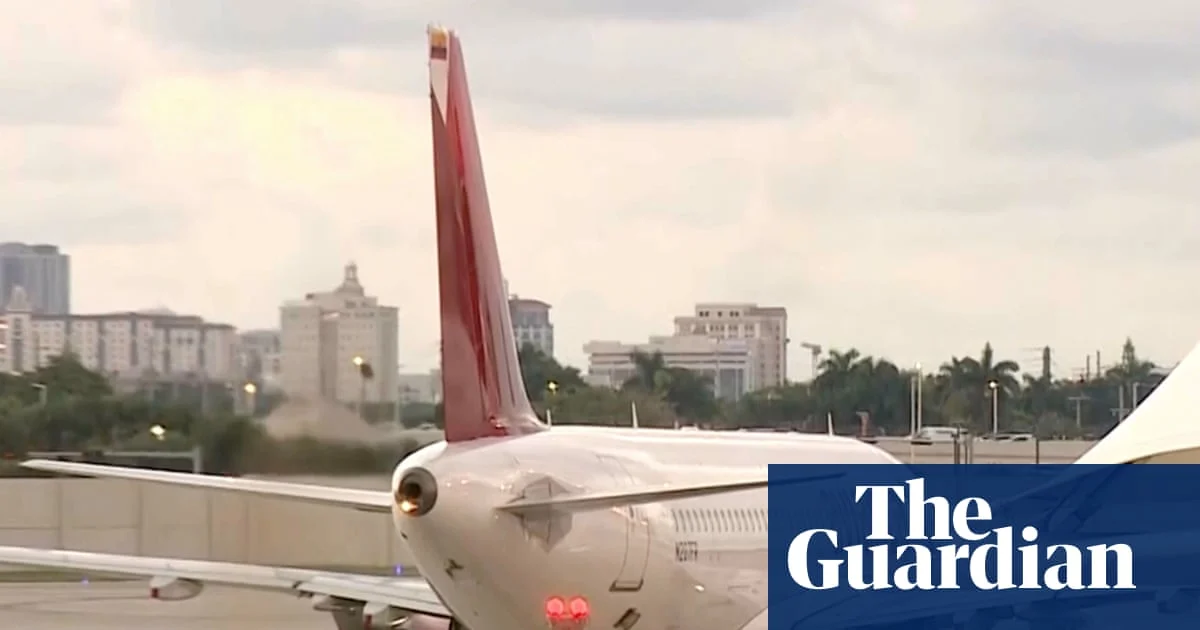
Severe turbulence on an Avianca flight from Medellín to New York forced an emergency landing in Miami early Friday, leaving at least eight people injured. One passenger was rushed to a trauma center with severe injuries, while seven others were taken to area hospitals by ambulance, according to Miami-Dade Fire Rescue.
The incident highlights the hidden dangers of clear-air turbulence, which can strike without warning and injure unbuckled passengers and crew even when seatbelt signs are on. Aviation safety experts consistently urge travelers to keep seatbelts fastened whenever seated, especially over long-haul international routes where fatigue and cabin movement increase exposure to sudden jolts.
Key Facts
- An Avianca flight from Medellín to New York diverted to Miami after encountering severe turbulence.
- At least eight people were injured during the incident.
- One person was taken to a trauma center with severe injuries.
- Seven others were transported to area hospitals by ambulance.
- The emergency landing occurred early Friday, per Miami-Dade Fire Rescue.
What Happened During the Flight
The turbulence struck unexpectedly, jolting the aircraft and sending unsecured passengers and crew members into parts of the cabin. Such sudden drops or updrafts can generate forces several times gravity, making it difficult for anyone not wearing a seatbelt to remain upright. The pilots responded by declaring an emergency and redirecting the plane to Miami International Airport, where emergency services were on standby upon arrival.
Flight attendants typically begin meal and beverage service once cruising altitude is reached, which means many passengers may be standing or seated without restraints during periods of smooth air that can quickly turn turbulent. These conditions often occur near jet streams or mountainous terrain, where atmospheric layers interact unpredictably. The crew’s training focuses on securing the cabin and bracing passengers before impact-like forces hit.
Who Is Affected by Turbulence Injuries
Injuries from turbulence disproportionately affect travelers who are moving through the cabin or seated without seatbelts. Crew members also face elevated risk while serving food or checking seatbelts, as they must navigate narrow aisles between sudden shudders. Medical professionals note that most turbulence-related trauma involves bruises, cuts, and concussions, though spinal or internal injuries can result from heavier impacts.
Regulatory bodies like the Federal Aviation Administration maintain databases of reportable incidents involving serious injury or aircraft damage. Airlines review each case to adjust crew briefings, reinforce seatbelt advisories, and evaluate whether certain routes require additional caution. Travel insurance policies sometimes cover medical expenses related to such events, offering some financial relief to affected passengers.
What We Know — and What We Don’t
Verified by the source:
- The flight was operated by Avianca between Medellín and New York.
- Severe turbulence caused the plane to divert to Miami.
- At least eight people sustained injuries.
- One individual was admitted to a trauma center with severe injuries.
- Seven others received hospital treatment via ambulance transport.
Still unconfirmed:
- The exact time of the turbulence encounter or landing.
- The total number of passengers and crew aboard the flight.
- The names or nationalities of those injured.
- The cause of the turbulence beyond general atmospheric conditions.
Why It Matters
While air travel remains one of the safest modes of transportation, turbulence injuries underscore how routine flights can turn hazardous in seconds. Passengers and policymakers alike benefit from understanding these risks to improve safety culture and emergency response protocols across global aviation networks.
What To Watch
Authorities have yet to release a formal accident report detailing contributing factors; updates will likely follow once data collection is complete. Aviation enthusiasts and frequent flyers should monitor official channels for revised guidance on seatbelt use and cabin movement during flight.