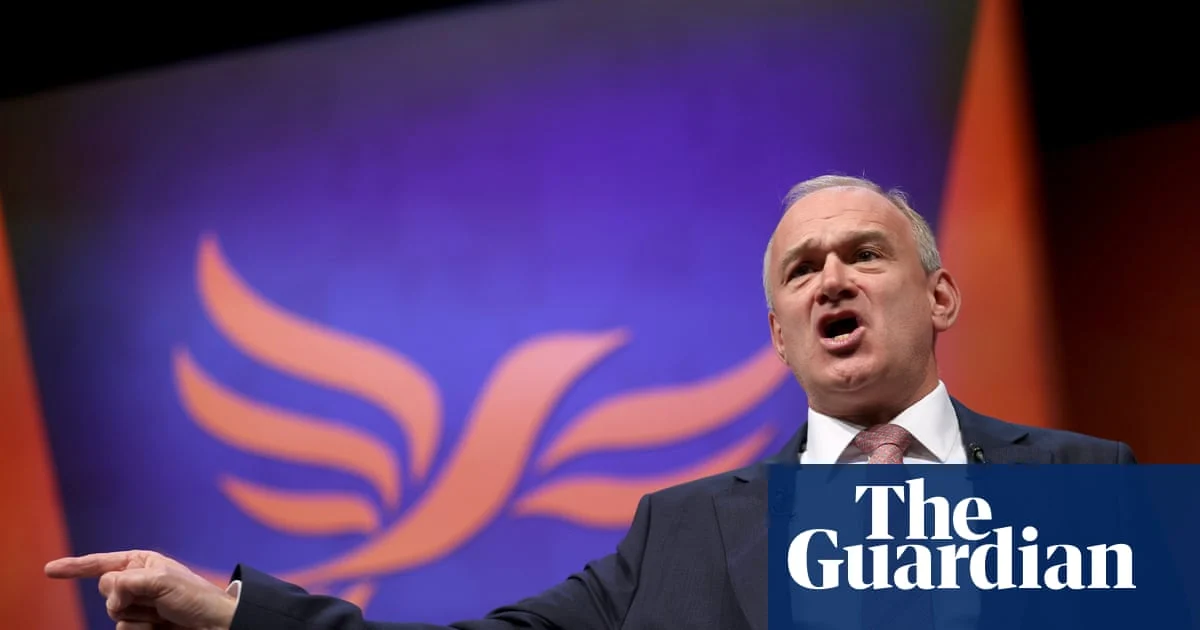
Ed Davey faces mounting leadership revolt within the Liberal Democrats after Treasury spokesperson Charlie Maynard resigned in an attempt to unseat him, according to The Guardian. The resignation highlights internal frustration that the party is failing to gain traction with voters ahead of key electoral tests.
The departure comes as the Liberal Democrats attempt to redefine their political identity while struggling to cut through in a crowded political landscape. Maynard’s resignation signals a deeper dissatisfaction among some senior figures within the party caucus, raising questions about party unity and direction.
Polls tracking public opinion have shown the Liberal Democrats facing challenges in recent months, with analysts noting difficulty in articulating a cohesive message that resonates beyond core constituencies. The resignation adds pressure on Davey as leader, particularly as opposition parties look to capitalize on shifting voter sentiment.
Key Facts
- Charlie Maynard resigned as Liberal Democrat Treasury spokesperson.
- Attempts to unseat leader Ed Davey, per The Guardian.
- Resignation tied to voter outreach struggles.
- Party slipping in public polling, according to reports.
The Story
Who is affected by the leadership revolt?
Party members, elected representatives, and supporters are directly affected by the growing leadership revolt. Internal divisions could weaken electoral performance in upcoming contests, impacting campaign strategy and resource allocation across constituencies. Public perception may shift if disunity continues unchecked.
How did we get here?
Frustration has built over months as the Liberal Democrats struggled to translate parliamentary presence into broader public engagement. Repeated concerns about messaging and visibility culminated in Maynard’s decision to step down and push for change at the top of the party hierarchy.
What happens next?
No formal leadership challenge process has been announced publicly, though Maynard’s resignation raises expectations of behind-the-scenes maneuvering. Party officials have yet to comment on procedural steps or timeline for addressing internal dissent surrounding party direction.
What We Know — and What We Don’t
Verified by the source:
- Charlie Maynard serves as Liberal Democrat Treasury spokesperson.
- Maynard submitted his resignation to attempt removal of Ed Davey.
- Concerns exist within party about voter engagement levels.
- Party polling data suggests downward trend, per The Guardian.
Still unconfirmed:
- Exact timing of Maynard’s resignation letter submission.
- Identity or number of additional MPs supporting challenge effort.
- Specific polling figures cited behind claims about decline.
- Formal responses or statements from party leadership team.
Why It Matters
Political stability influences voter confidence and coalition-building potential during national transitions. Leadership disputes often signal ideological splits or strategic failures that ripple beyond internal party structures into wider democratic discourse and electoral outcomes.
What To Watch
Party insiders expect further statements from both Ed Davey and remaining frontbenchers soon, as pressure mounts over future direction and cohesion efforts within the Liberal Democrat parliamentary group.