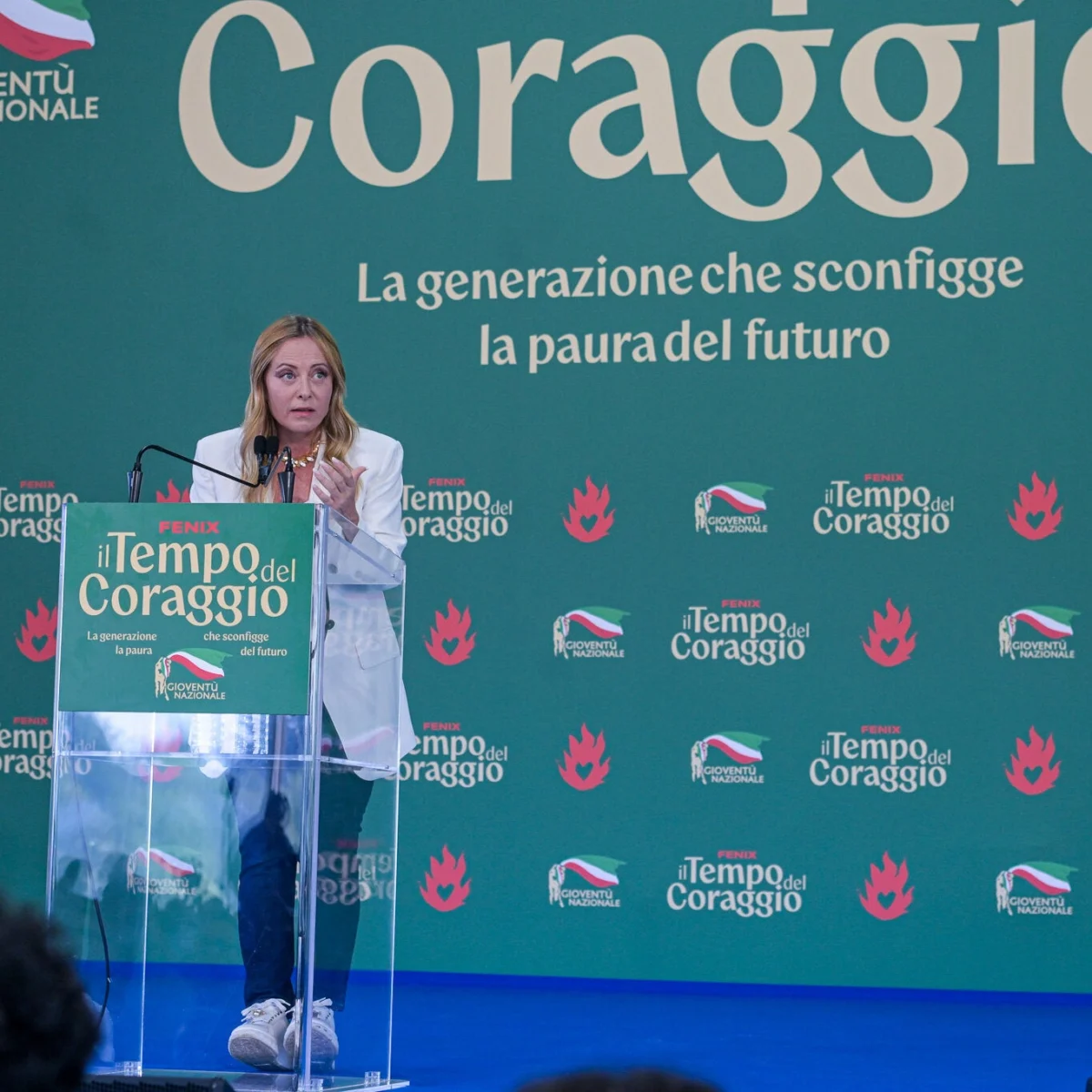
Italy’s government has announced plans to cap the number of foreign students allowed in classrooms, citing the need to better integrate non-Italian speaking children. Prime Minister Giorgia Meloni framed the measure as an educational priority, though critics argue it reflects efforts to appease anti-immigrant sentiment. The policy has sparked debate over immigration, education equity, and national integration strategies.
The proposed cap would apply to public schools and aims to ensure that classrooms remain manageable for teachers working with students who are still learning Italian. Supporters say such limits will help maintain instructional quality and linguistic support for migrant children. Opponents, however, argue the policy singles out vulnerable populations and risks reinforcing xenophobic narratives under the guise of educational reform.
Key Facts
- Italy plans to cap the number of foreign students in classrooms.
- Prime Minister Giorgia Meloni says the goal is to improve integration of non-Italian speakers.
- Critics accuse the government of appealing to anti-immigrant sentiment.
What Happens Next?
Details about how the cap will be implemented remain unclear. No timeline has been officially confirmed for when the restrictions might take effect, nor has the government specified whether existing students will be exempt. Schools and local education authorities are likely to play a key role in enforcing any new enrollment limits once finalized.
Education Ministry officials have not yet released formal guidelines, leaving many institutions uncertain about compliance procedures. Legal experts warn the policy could raise constitutional concerns related to equal access to education, potentially inviting court challenges.
Parliamentary discussions are expected soon, though it is unknown whether legislative approval will be required before implementation begins.
Who Is Affected?
The policy directly impacts foreign students currently enrolled or seeking enrollment in Italian public schools. Children arriving from other countries—particularly those without fluency in Italian—may face barriers to accessing full classroom environments if caps prevent their admission.
Local communities hosting higher concentrations of immigrants could see disproportionate effects. In regions like Lombardy and Veneto, where large numbers of migrant families have settled, school districts may struggle to accommodate both policy mandates and student demand.
Parents and advocacy groups representing immigrant rights have already expressed concern, calling for transparency and inclusion in future dialogues surrounding the rule.
How Did We Get Here?
This announcement follows rising political pressure on migration issues across Europe. Italy has seen increased arrivals via the Mediterranean route in recent years, prompting debates over national capacity and social cohesion.
Government officials say the measure aligns with broader efforts to manage integration efficiently within public services. They argue that unregulated growth in non-native enrollments places strains on already understaffed schools.
However, humanitarian organizations maintain that education should remain universally accessible regardless of origin or language proficiency. They emphasize that capping inclusion undermines long-term societal benefits associated with multicultural learning spaces.
What We Know — and What We Don’t
Verified by the source:
- Italy intends to cap foreign student numbers in classrooms.
- The stated aim is improved integration through managing non-Italian speakers.
- Prime Minister Giorgia Meloni publicly supported the initiative.
- Opposition voices accuse her of pandering to anti-immigrant attitudes.
Still unconfirmed:
- The exact mechanism and enforcement process for the cap.
- Whether existing foreign students would retain their placements.
- Legal review outcomes or potential court involvement.
- Projected timelines for rollout and parliamentary involvement.
Why It Matters
As European nations grapple with shifting demographics and evolving migration patterns, Italy’s approach highlights ongoing tensions between national sovereignty and inclusive governance. This decision intersects with wider geopolitics affecting refugee resettlement, regional cooperation, and domestic politics throughout the EU. Readers can follow related developments in our War & Geopolitics and Politics category archives.
What To Watch
Watch for official guidance from the Education Ministry or parliamentary debate schedules that outline next steps in the policy rollout. International observers and UNICEF Italy may also issue statements regarding children’s rights implications.