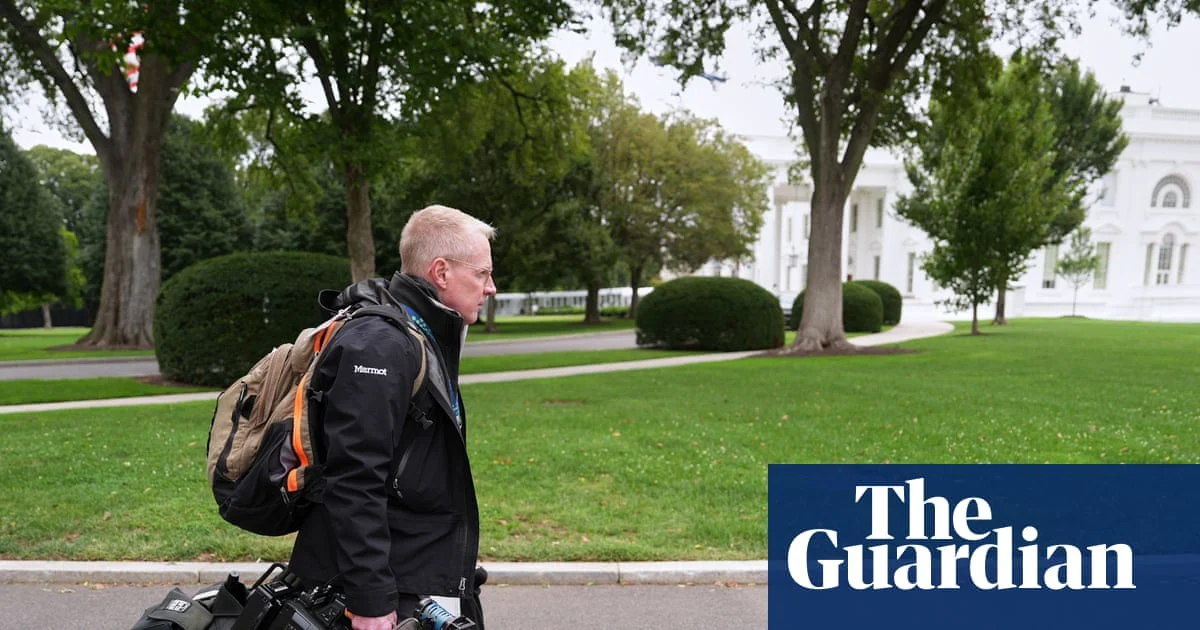
Journalists for CNN and other news outlets were denied full access to a White House state dinner despite a recent federal court ruling ordering the Trump administration to lift a ban on their coverage. The White House dinner honoring Chinese President Xi Jinping proceeded Thursday evening after a judge ruled last week that the administration must allow excluded media back in, but implementation remained limited.
According to reporting from The Guardian, CNN was told it could send a photojournalist and audio technician to the event, but its editorial team including a reporter and producer was notably excluded. The ruling came from a federal judge who determined the administration’s prior restriction was unlawful. Several other major news networks reportedly boycotted the dinner in solidarity. The incident reflects ongoing tensions between the White House and the press corps, particularly around access during high-profile diplomatic events.
Key Facts
- CNN was permitted only a photojournalist and audio technician, excluding its editorial team
- Other news networks boycotted the dinner in honor of Xi Jinping
How Did We Get Here?
The conflict stems from a media access ban imposed by the Trump administration last week, which barred select news organizations from attending official White House functions. A federal judge intervened this week, issuing a ruling that the ban violated press access rights and ordering the administration to restore entry to affected outlets. However, while the ruling was legally binding, the White House response appeared to partially comply by offering limited credentials rather than full editorial access.
This partial compliance has raised further questions about transparency and enforcement of judicial orders involving the press. State dinners are typically tightly controlled events, but they also serve as important venues for media coverage of U.S. diplomacy. The decision to block mainstream editorial staff while allowing technical personnel suggests a narrow interpretation of the court’s directive. The affected networks have not publicly commented on whether they will challenge the access restrictions again in court.
Who Is Affected by This Access Restriction?
The immediate impact falls on news organizations barred from covering the White House dinner at full capacity. CNN, along with unnamed outlets described as “other news networks,” was directly affected by both the original ban and the subsequent partial credentialing. These restrictions influence how millions of viewers receive information about critical diplomatic events such as state visits. Broader implications involve press freedom advocates concerned about selective media exclusion by the executive branch.
Journalistic groups have previously criticized the White House for limiting access for outlets critical of its policies. The court ruling was seen as a rebuke to those efforts, though enforcement remains unclear. Editors at impacted organizations are now weighing next steps, including potential appeals or renewed lawsuits if access does not improve ahead of future events. The episode underscores the fragility of press access in politically charged environments.
What We Know — and What We Don’t
Verified by the source:
- A federal judge ruled the White House must restore media access following a prior ban
- CNN received credentials limited to photo and audio staff only
- Multiple networks boycotted the event in solidarity
Still unconfirmed:
Why It Matters
Access to White House events like the state dinner helps ensure public visibility into diplomatic outreach and government conduct. Restrictions on media coverage can shape public narratives by limiting viewpoint diversity in reporting. When courts intervene to protect press access, it signals judicial recognition of press freedom principles at stake in democratic governance.
What To Watch
Legal experts are watching whether additional court actions will be filed to demand full editorial access. Future state visits may test whether this ruling leads to lasting changes in how the White House manages media relations.