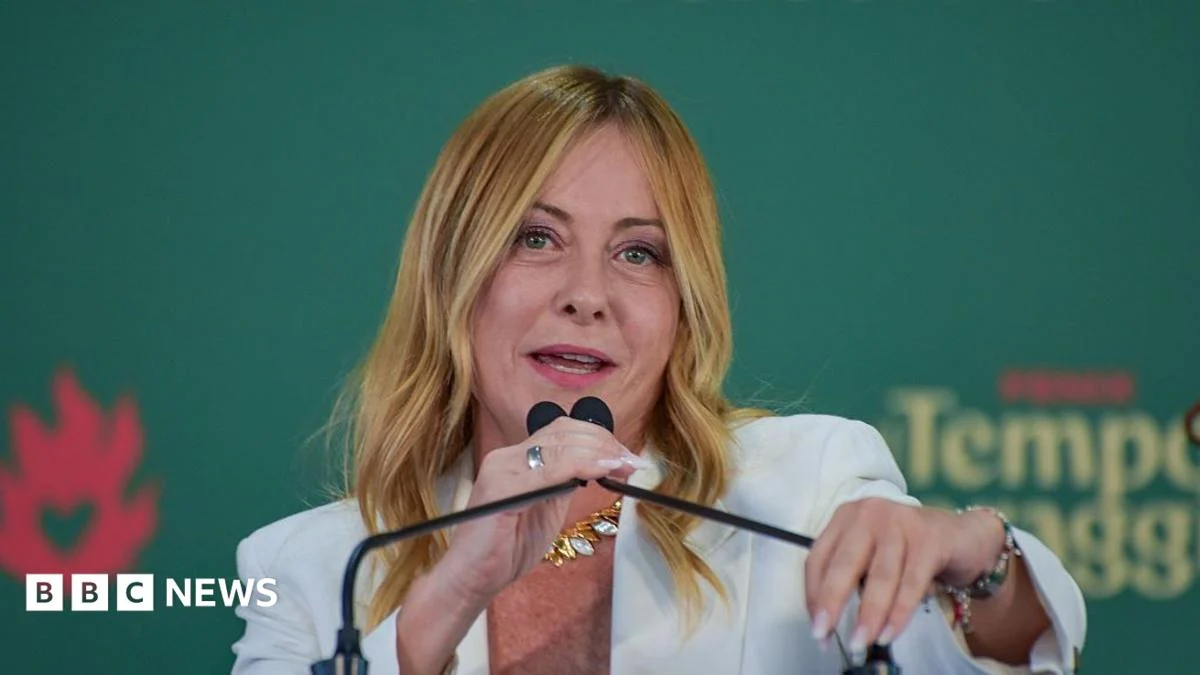
Italy’s cabinet has agreed to a ban on full-face coverings such as the burqa and niqab in schools, alongside new caps on the number of foreign students allowed in classrooms. Prime Minister Giorgia Meloni described the measures as common-sense tools that do not divide but really help to integrate.
The decisions were taken during a cabinet meeting and now require parliamentary approval before becoming law. The burqa ban would apply to all school settings, while the foreigner caps aim to manage classroom composition, according to summaries of the agreement.
KEY FACTS
- Italian ministers agreed to a burqa and niqab ban in schools.
- New rules cap the number of foreign students in classrooms.
- Prime Minister Giorgia Meloni called the measures common-sense integration tools.
- The plan requires parliamentary approval before becoming law.
What Happens Next?
Both measures must now pass through Italy’s parliament before they can take effect. The burqa ban targets full-face coverings worn by some Muslim women, while the foreigner caps seek to limit non-Italian nationals in individual classes. No timeline for parliamentary debate has been announced publicly.
Legal experts note that previous attempts to restrict face coverings in public spaces have faced constitutional challenges in Italy. School administrators will need to adjust policies once legislation is finalized, though details on enforcement remain unclear.
Who Is Affected?
The burqa ban directly impacts Muslim women who wear full-face coverings and wish to enter school premises, including parents visiting campuses and older students. The foreigner caps affect non-Italian nationals enrolled in Italian schools, potentially influencing enrollment decisions and classroom dynamics.
Education ministry officials have not provided specific figures on current foreign student numbers or projected reductions under the new rules. Civil liberties groups are expected to weigh in once formal proposals are submitted to lawmakers.
WHAT WE KNOW — AND WHAT WE DON’T
Verified by the source:
- Italian cabinet agreed to ban burqa and niqab in schools.
- Rules include caps on foreigners in classrooms.
- Prime Minister called measures integration tools.
- Parliamentary approval still required.
Still unconfirmed:
- Exact parliamentary timeline for debate or vote.
- Enforcement mechanisms for either policy.
- Impact on existing foreign student enrollment numbers.
- Specific definitions of prohibited garments.
Why It Matters
This development reflects broader tensions across Europe over religious symbolism, secularism, and migration. Italy joins several countries that have debated face-covering bans, often sparking debate between security or assimilation arguments and concerns about discrimination. The outcome could influence regional trends and domestic politics ahead of future elections.
What to watch: whether parliament moves quickly on the legislation and how advocacy groups respond once details emerge.