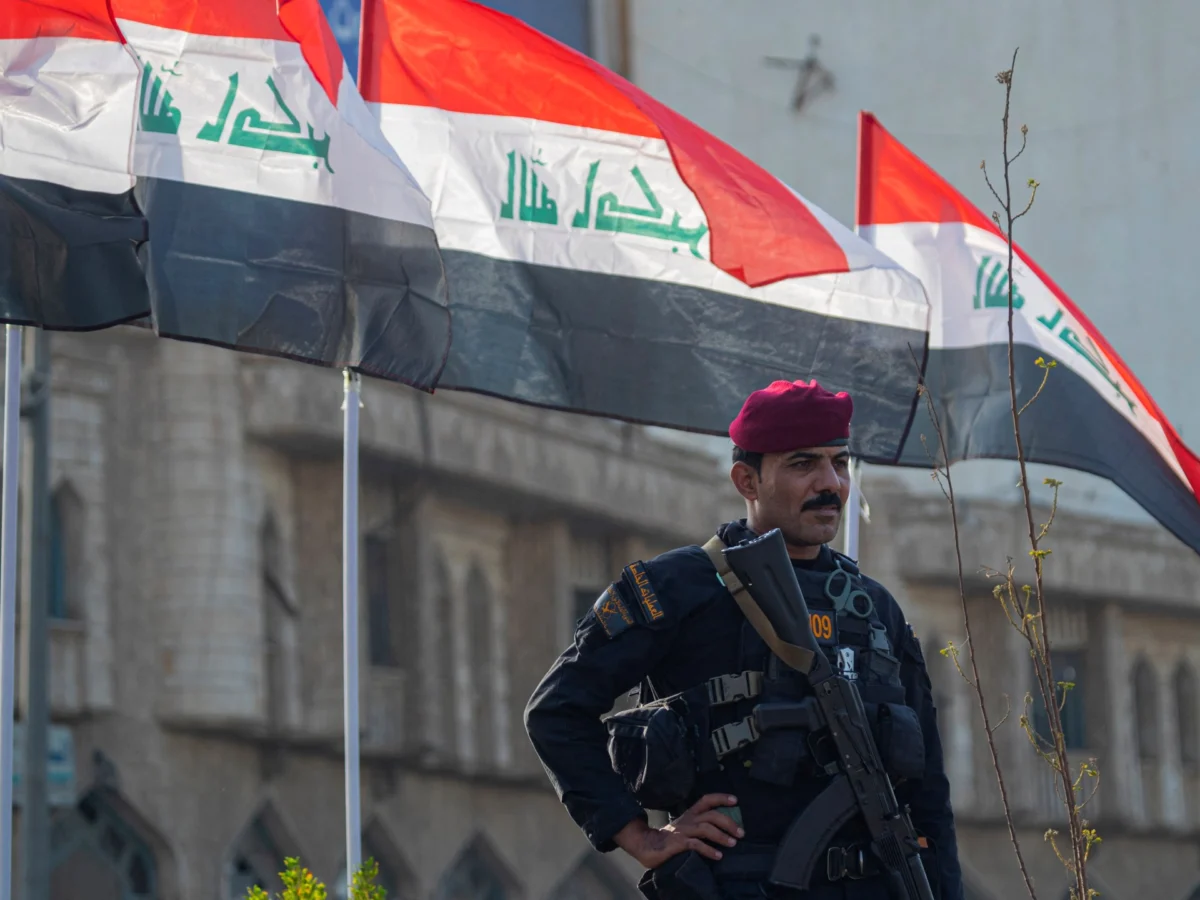
Iraq has begun a delicate security balancing act as US troops complete their withdrawal during the country’s Sovereignty Days commemorations.
The departure of American forces marks a pivotal shift in Iraq’s security landscape, requiring careful navigation between competing regional influences and internal stability concerns. This security balancing act raises questions about future alliances and threats.
KEY FACTS
- Iraq marks national ‘Sovereignty Days’ as US troops depart.
- Iraq faces risks in the new security landscape following the withdrawal.
- The timing coincides with Sovereignty Days celebrations.
- US troop withdrawal creates a high-stakes security balancing act.
Why This Moment Matters
The end of the US military presence signals a major realignment in Iraq’s strategic partnerships. This security balancing act involves weighing relations with regional powers while maintaining domestic order. How Baghdad manages ties with neighboring countries—particularly those with opposing interests—will influence whether Iraq stabilizes or becomes more vulnerable to proxy conflicts.
What Happens Next?
Iraq must now redefine its defense partnerships and intelligence cooperation frameworks. With reduced direct foreign military support, the government faces pressure to unify security forces and address residual threats. Regional actors may increase diplomatic or military engagement, testing Iraq’s ability to maintain neutrality while safeguarding sovereignty during this security balancing act.
How Did We Get Here?
Iraq’s sovereignty milestones have long been linked to foreign troop presence. The current withdrawal completes a phased reduction in US involvement that began years ago, reflecting both Baghdad’s demands for full control and Washington’s strategic pivot. During Sovereignty Days, Iraqi leaders emphasized national independence, yet acknowledged ongoing challenges in securing borders and countering extremist groups without external backing. This security balancing act reflects decades of shifting alliances.
What We Know — and What We Don’t
Verified by the source:
- Iraq is observing Sovereignty Days.
- US troops are withdrawing from Iraq.
Still unconfirmed:
- The exact number of remaining US personnel after withdrawal.
- Timeline for completion of all withdrawals.
- Specific security threats Iraq expects to face post-withdrawal.
- Names of officials commenting on new strategies.
Why It Matters
Iraq’s evolving position affects broader Middle East stability. As a key oil producer and geopolitical crossroads, its choices impact energy markets and regional conflict dynamics. A successful security balancing act could enhance Iraq’s autonomy; failure might invite renewed violence or foreign intervention.
What To Watch
Analysts will monitor how Iraq deploys remaining forces and whether diplomatic agreements replace military cooperation. Upcoming statements from Baghdad and Tehran may clarify the next phase of this security balancing act.
Iraq navigates a high-stakes security balancing act as US troops withdraw amid Sovereignty Days observances, per Al Jazeera.