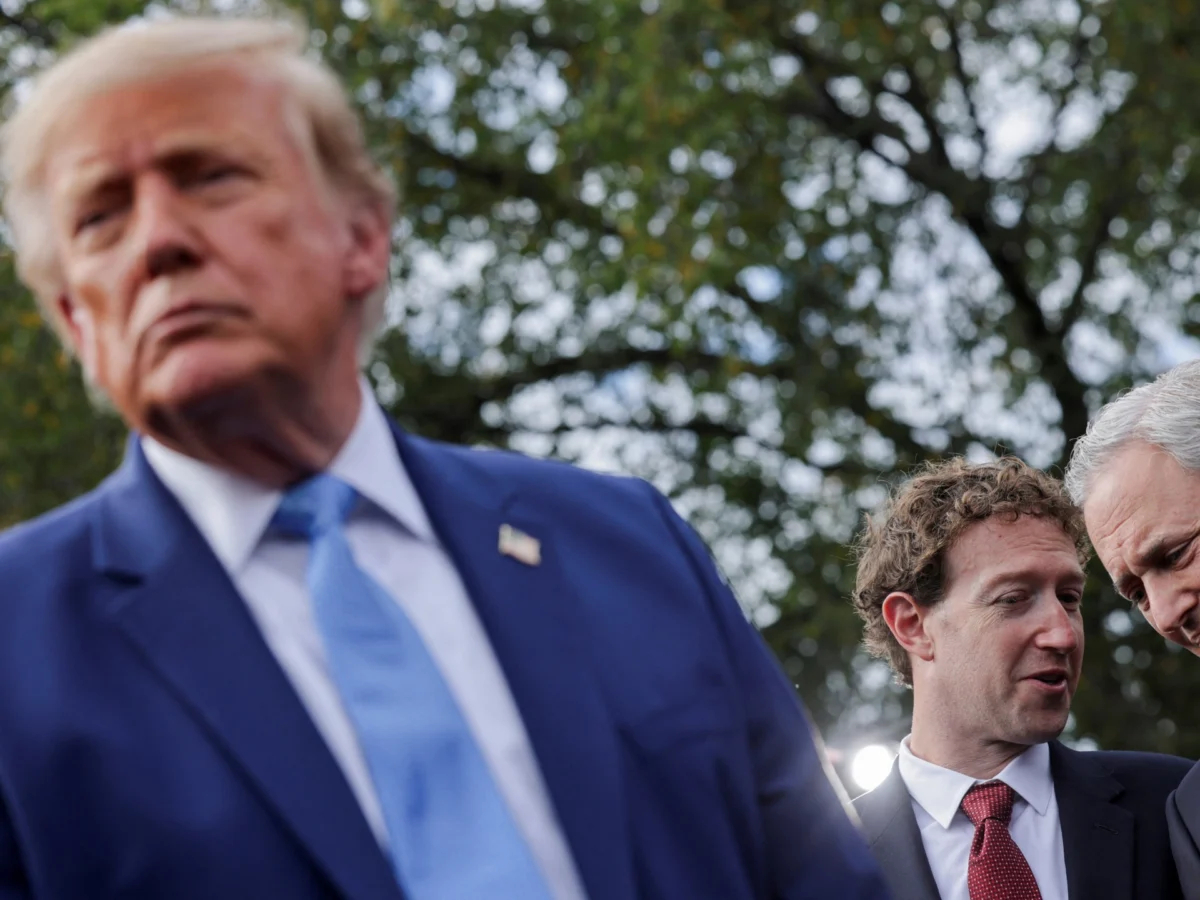
Washington, D.C. — U.S. President Donald Trump announced plans to campaign for 32 days ahead of the upcoming midterm elections, brushing aside concerns about his current approval ratings as voters express frustration over the cost of living and U.S. foreign policy, including the war on Iran.
The extended campaign schedule reflects an aggressive push by the President to maintain Republican momentum heading into the November midterms, despite polling that suggests voter unease around key domestic and international issues.
Trump’s decision to campaign for over a month signals a high-stakes effort to energize the Republican base and defend GOP-held seats in both chambers of Congress.
KEY FACTS
- Trump plans to campaign for 32 days before the midterm elections.
- He dismissed concerns about his popularity amid voter frustration.
- Voters are increasingly concerned about the cost of living.
- The war on Iran is also contributing to voter dissatisfaction.
What Happens Next?
Trump’s 32-day campaign blitz is set to begin in the final stretch before the midterm elections, with stops planned across key battleground states. The President’s team has not released a detailed itinerary, but advisors confirmed that economic messaging and national security will be central themes.
Republican candidates are expected to lean heavily on Trump’s endorsement and campaign appearances, particularly in competitive House and Senate races. With just over a month remaining before voters head to the polls, the President’s presence on the trail could play a decisive role in shaping final outcomes.
Political analysts note that while Trump’s campaign efforts helped drive Republican gains in previous cycles, this year’s environment presents new challenges, especially in districts where economic anxiety and foreign policy concerns are top of mind for voters.
Who Is Affected?
Voters in competitive congressional districts will likely feel the direct impact of Trump’s campaign efforts, as his appearances are expected to draw large crowds and media attention. These races include several suburban districts where Democratic challengers have gained ground amid broader discontent over inflation and global conflicts.
Republican incumbents in vulnerable positions may benefit from Trump’s name recognition and ability to rally the base, though some strategists warn that his polarizing presence could backfire in more moderate areas. The cost of living remains a dominant concern for many Americans, and how candidates address it—alongside foreign policy—could determine control of the House and Senate.
Democratic candidates are also expected to use Trump’s campaign stops as rallying points, hoping to channel voter frustration into turnout advantages. With both parties investing heavily in messaging and mobilization, the final weeks of the race are shaping up to be decisive.
How Did We Get Here?
Trump’s decision to extend his campaign schedule comes as Republicans face headwinds in traditional strongholds, with approval ratings hovering amid concerns over inflation and ongoing conflicts abroad. The President has repeatedly framed the midterms as a referendum on his leadership, urging supporters to turn out in force to protect GOP legislative priorities.
Recent polling suggests that while Republican voters remain loyal, persuadable independents are increasingly skeptical about the direction of the country. Issues such as rising prices, energy costs, and the war on Iran have dominated public discourse, creating openings for Democrats to gain ground in key races.
Despite these challenges, Trump’s campaign operation maintains strong fundraising capabilities and organizational reach, giving Republicans a powerful tool in the final stretch of the midterm cycle.
WHAT WE KNOW — AND WHAT WE DON’T
Verified by the source:
- Trump plans to campaign for 32 days before the midterm elections.
- He dismissed concerns about his popularity.
- Voter frustration centers on the cost of living and the war on Iran.
Still unconfirmed:
- Specific campaign locations and dates have not been released.
- Official campaign itinerary details are pending.
- Impact of campaign events on voter sentiment is not measured.
WHY IT MATTERS
The outcome of the midterm elections will determine whether President Trump retains influence over a Congress controlled by his party or faces a divided government in his second term. His extended campaign schedule underscores the high stakes involved and the Republican Party’s reliance on his political brand heading into a critical electoral test.
WHAT TO WATCH
Trump’s campaign stops are expected to begin later this week, with key rallies scheduled in Ohio and Florida. How these events are received—and how voters respond in early polling—will offer the first signs of momentum heading into Election Day.
Meta description: Trump plans 32-day midterm campaign amid voter concerns over cost of living and war on Iran.