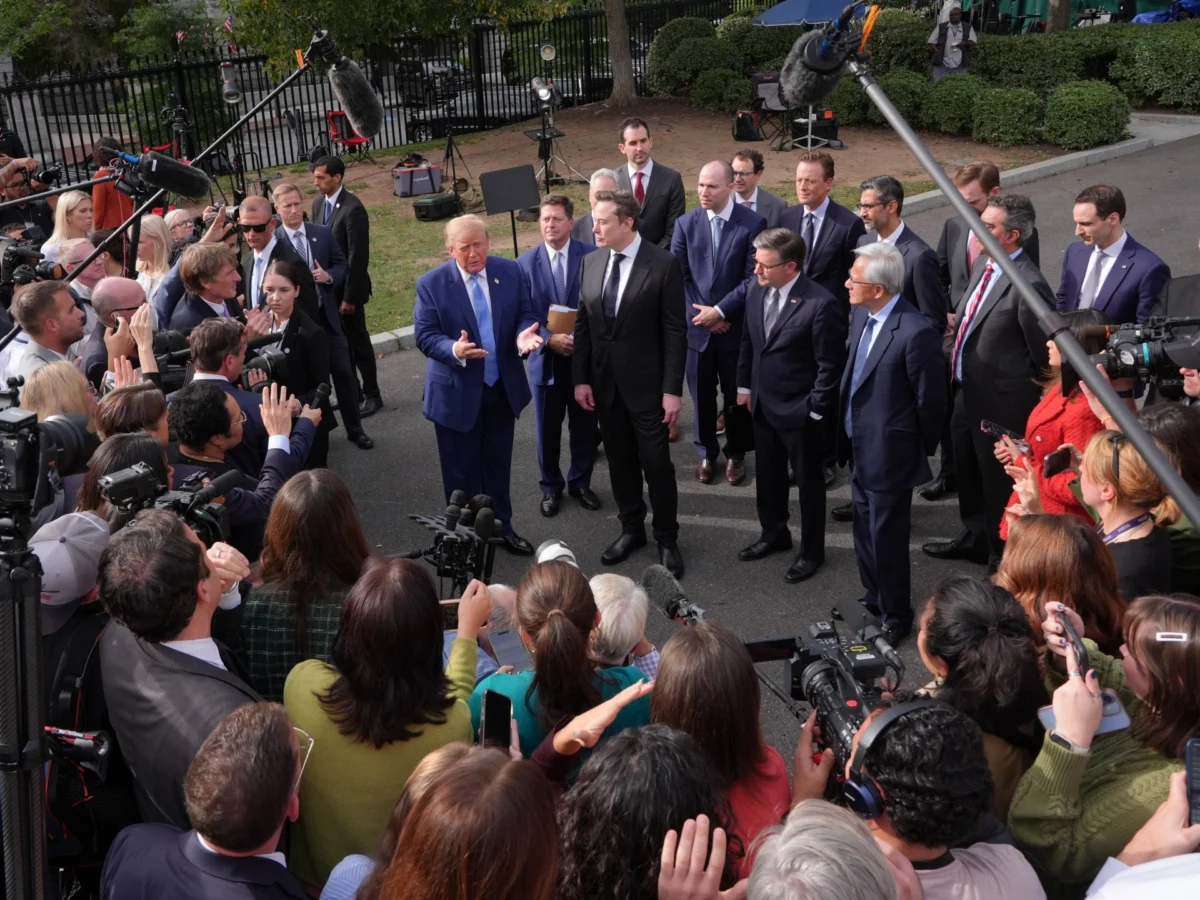
In a rare alignment of political and corporate interests, a pact was struck to establish voluntary oversight mechanisms for artificial intelligence development, signaling a shift toward industry-led risk management rather than regulatory enforcement. The agreement outlines expectations for companies to adopt internal safeguards as debate intensifies over the pace and safety of AI advancement across sectors including healthcare, finance, and defense.
Key Facts
- Former President Trump and top tech firms signed an AI development accord.
- Companies agreed to implement robust internal controls for AI systems.
- The move responds to mounting concerns about AI safety.
What This Means
The term “self-police” reflects voluntary commitments by private firms to govern their own AI practices without mandatory government oversight. While such initiatives may reassure the public, experts caution that internal controls lack binding accountability unless enforced externally. No independent audit requirements or penalties were mentioned in the announcement.
The absence of regulatory teeth raises questions about consistency and transparency. Voluntary standards vary widely across organizations, and self-regulation often faces criticism for being too lenient or inconsistently applied. Still, proponents argue that early industry action can preempt heavier-handed legislation that might stifle innovation.
Who Is Affected
Consumers interacting with digital assistants, automated platforms, and personalized services may experience changes in product behavior or data usage policies as companies adjust their systems. Developers and researchers within participating firms are expected to align workflows with new internal protocols, while competitors outside the agreement could face pressure to follow suit or risk reputational harm.
Employees in AI labs and policy teams may see expanded roles in reviewing model outputs, bias mitigation efforts, and documentation processes. Regulators watching from the sidelines might find fewer grounds for immediate intervention if confidence in self-governance grows among stakeholders.
What We Know — and What We Don’t
Verified by the source:
- Trump and tech firms signed an AI development accord.
- The accord calls for robust internal controls for AI systems.
- Growing concerns over AI safety prompted the agreement.
Still unconfirmed:
- The full list of participating companies remains undisclosed.
- No timeline has been provided for implementation of controls.
- Independent verification or enforcement details have not been released.
- Specific definitions of “robust internal controls” are unspecified.
Why It Matters
As AI becomes more embedded in daily life, questions around safety, fairness, and control grow louder. Whether voluntary pacts can match the rigor of legal mandates remains uncertain, but they reflect rising expectations for responsible stewardship from both corporations and leaders.
What To Watch
Future developments will hinge on whether these commitments translate into measurable changes in corporate practice or prompt formal regulatory responses. Additional announcements about audits, compliance tracking, or expanded participation could shape public trust moving forward.