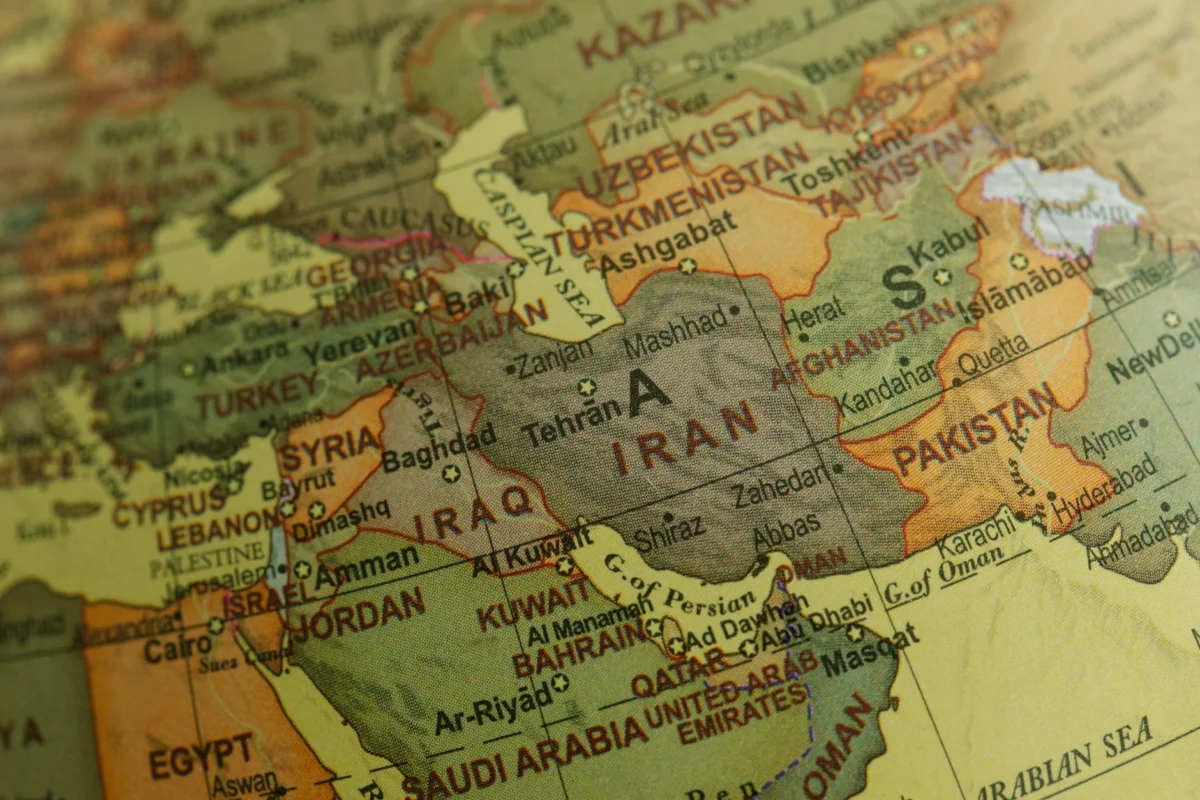
Recent Iranian strikes on Jordan are testing the bonds between the United States and one of its most steadfast allies in the Middle East.
The incident highlights the growing tensions in the region, particularly as Iran asserts its influence through military actions. The U.S. has long relied on its partnership with Jordan as a stabilizing force in the Middle East, making this development a significant concern for both nations.
Key Facts
- Iranian strikes targeted Jordan.
- The strikes are testing the U.S.-Jordan alliance.
- Jordan is considered a staunch U.S. ally in the Middle East.
The Story
What does this mean for U.S.-Jordan relations?
The U.S. and Jordan have maintained a strong alliance for decades, with Jordan often playing a crucial role in regional stability. This incident could strain that relationship, especially if Jordan perceives a lack of U.S. support in responding to Iranian aggression.
How did we get here?
Iran has been increasingly assertive in the Middle East, using military strikes to expand its influence. Jordan, situated in a volatile region, has become a target of these actions, prompting concerns about the U.S.’s ability to protect its allies.
What We Know — and What We Don’t
Verified by the source:
- Iranian strikes targeted Jordan.
- The U.S.-Jordan alliance is being tested.
Still unconfirmed:
- The specific locations and extent of the Iranian strikes.
- The U.S.’s official response to the incident.
- The long-term impact on U.S.-Jordan relations.
Why It Matters
The U.S.-Jordan alliance is a cornerstone of stability in the Middle East. Any strain on this relationship could have ripple effects across the region, potentially emboldening Iranian actions and weakening U.S. influence.
What To Watch
Observers are closely monitoring the U.S. response to the strikes and whether it will take steps to reinforce its alliance with Jordan. The situation could escalate if Iran continues its aggressive actions in the region.