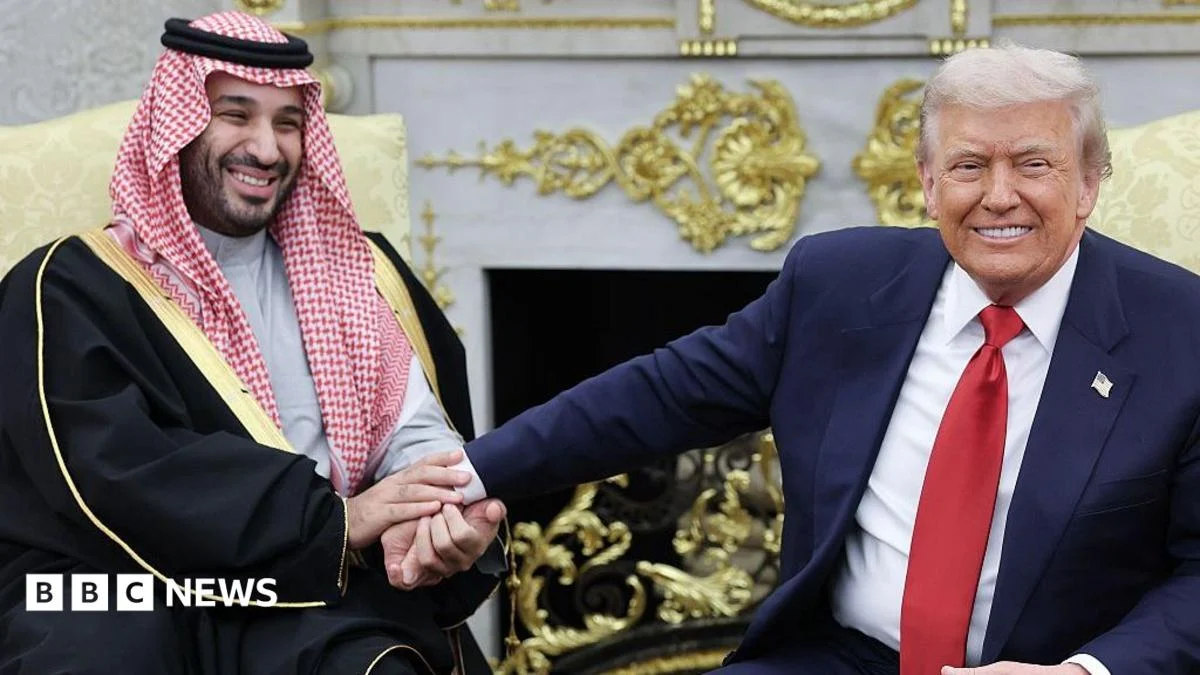
The proposed US sale of F-35 warplanes to Saudi Arabia remains controversial, with the Saudi government having lobbied Washington for years to acquire the advanced fighter jets.
Saudi Arabia has repeatedly pushed the United States for permission to purchase F-35 warplanes, which are considered among the most sophisticated military aircraft in the world. The request has sparked debate over regional security and arms export policies.
KEY FACTS
- Saudi Arabia has lobbied the US for years to buy F-35 warplanes.
- The F-35 is described as the world’s most advanced fighter jet.
- The potential sale has generated controversy in diplomatic and defense circles.
What Happens Next?
The controversy surrounding the potential F-35 sale to Saudi Arabia reflects broader questions about US defense policy and arms exports. While Saudi Arabia has lobbied intensively, no final decision has been publicly confirmed. The F-35 program is jointly managed by multiple countries, adding layers of approval beyond the US government.
The F-35 jet is manufactured by Lockheed Martin and used by several US allies. Its sale to new buyers requires extensive clearance processes due to its sensitive stealth and sensor technologies.
How Did This Request Begin?
For years, Saudi Arabia has pursued F-35 warplanes to modernize its air force capabilities. The Kingdom’s efforts indicate a long-term defense strategy aimed at bolstering regional deterrence. However, the controversy over such a deal highlights concerns about weapons proliferation and accountability in conflict zones.
What We Know — and What We Don’t
Verified by the source:
- Saudi Arabia has lobbied the US for F-35 warplanes.
- The F-35 is the world’s most advanced fighter jet.
- The proposed sale is considered controversial.
Still unconfirmed:
- No official confirmation of a formal US approval process.
- Timeline for any potential delivery or negotiation is unknown.
- Details on which Saudi officials requested the jets have not been disclosed.
Why It Matters
This potential arms deal touches on long-standing debates about US foreign policy, defense spending, and the balance between alliance support and human rights scrutiny, making it a flashpoint for broader geopolitical discourse.
What to watch: Officials have yet to comment on whether a formal proposal has been submitted or reviewed by US Congress.
Sales of F-35 warplanes require high-level approvals and often face scrutiny from lawmakers and international partners.
Explore more defense and policy updates under war-geopolitics and economy-markets.