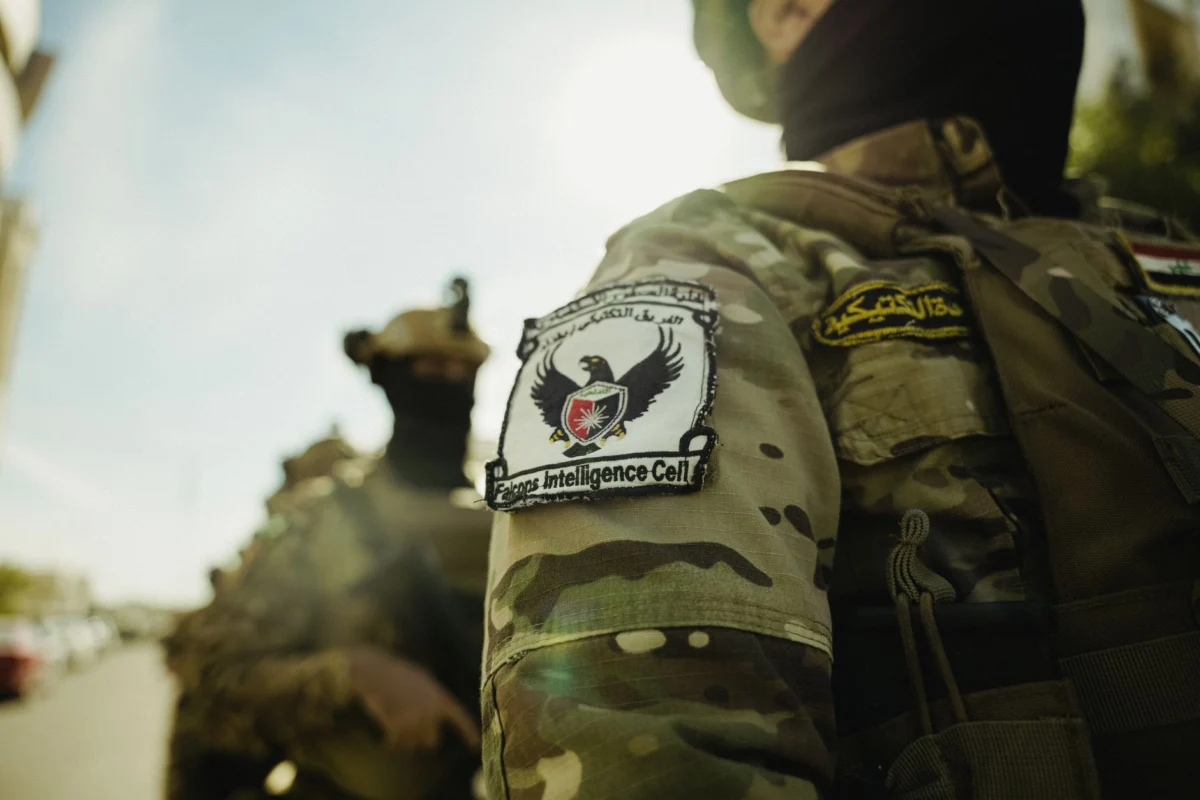
At a Pentagon briefing on Tuesday, a senior U.S. Army officer warned that the Iranian military is “keeping its hand on the trigger” amid escalating tensions in the Strait of Hormuz.
He listed concrete numbers: more than 150,000 active‑duty personnel, 200 attack helicopters, and a growing fleet of drones that can strike from 300 kilometers away. The officer said the Iranian Revolutionary Guard Corps (IRGC) has increased patrols near the Gulf by 35 % in the last 30 days.
“If Tehran decides to fire, our forces could be in the cross‑hairs within minutes,” the officer told reporters, refusing to name any individual.
Why does this matter?
Almost 20 % of the world’s oil passes through the nearby waterways. A sudden flare‑up could spike gasoline prices for American drivers, disrupt global supply chains, and force the U.S. Navy to keep an additional carrier strike group on standby.
Consumers may feel the impact at the pump, while investors watch the markets for volatility. The ripple effect reaches the economy and markets sector within hours.
What happens next?
Washington has already placed air‑defense assets on high alert and is coordinating with allies in the region. The Pentagon’s next step, according to the briefing, is to share real‑time intelligence with Iranian‑bordering nations to deter any sudden aggression.
Analysts say the Iranian military’s recent procurement of Russian S‑400 systems and Chinese-made ballistic missiles shrinks the decision‑making window for both sides.
Who is affected?
Beyond the U.S. service members stationed in Qatar, Bahrain and Kuwait, Iranian civilians could face reprisals if a broader conflict erupts. Shipping firms are already rerouting vessels, adding days and costs to a journey that normally takes 10 days.
For everyday Americans, the threat translates into higher grocery bills, longer airline delays, and a heightened sense of geopolitical insecurity.
What’s the broader picture?
This isn’t a new flashpoint. The same Strait has seen incidents in 2019 and 2022 when Iranian forces seized commercial vessels. What’s different now is the rapid expansion of Iran’s drone swarm and its integration with conventional forces.
Experts warn that any miscalculation could draw NATO, Russia, and China into a wider confrontation, turning a regional dispute into a global crisis.
Stay tuned as diplomatic channels work to de‑escalate, and as the U.S. military prepares contingency plans that could unfold in the coming weeks.