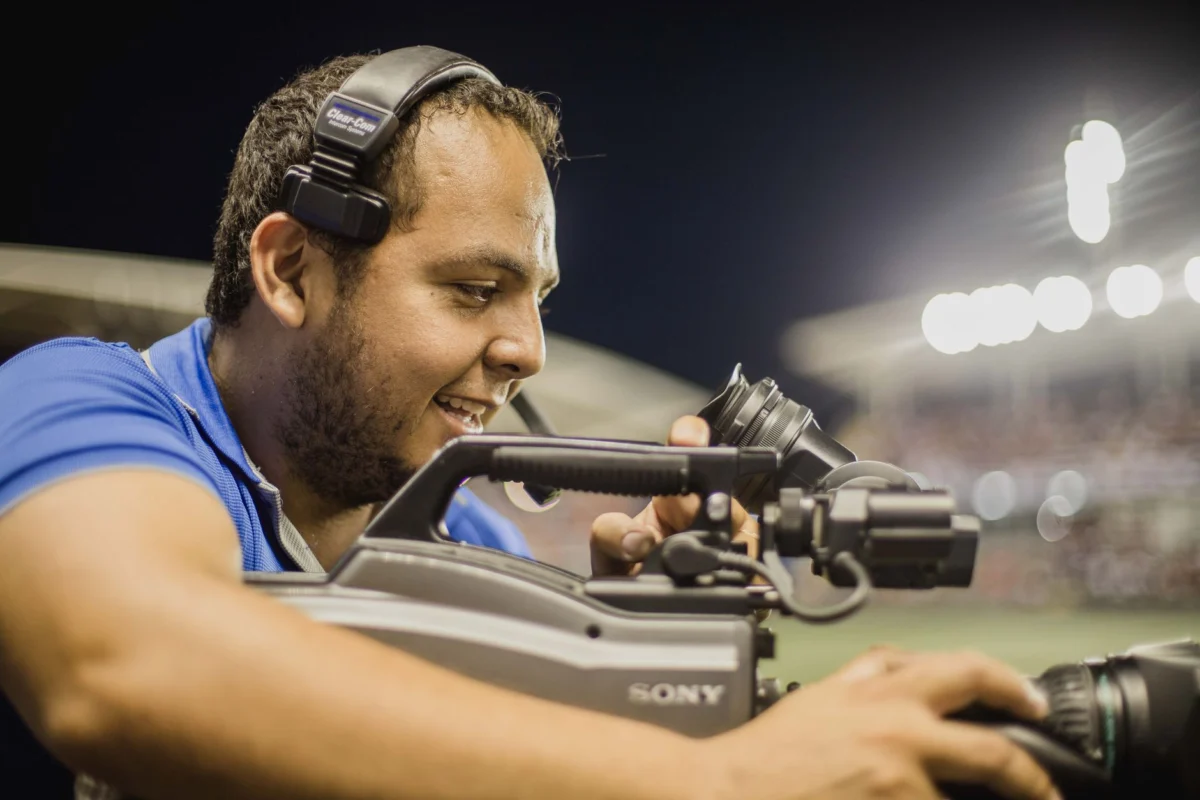
Ahmed Wishah, a 45‑year‑old Al Jazeera cameraman, died instantly when an Israeli bomb struck the Bureij refugee camp in Gaza on Saturday afternoon.
The explosion hit the courtyard of a makeshift media hub where Wishah and two colleagues were reviewing footage. When the blast shattered the concrete walls, first‑responders found his camera still recording, its lens covered in dust and blood.
According to al‑Jazeera’s Gaza bureau, Wishah had spent more than two decades covering conflicts from Baghdad to Aleppo. He was on his third assignment in Gaza since the latest escalation began on 7 October.
What happened at Bureij?
Israeli Defence Forces (IDF) announced that they targeted “a Hamas weapons storage site” in Bureij at 14:23 GMT. The IDF statement did not mention any civilian casualties. Independent monitors, however, recorded at least 12 civilian deaths, including the journalist.
Human Rights Watch later released satellite imagery showing the strike’s impact radius – roughly 40 meters – overlapping the media tent where Wishah worked.
Why does this matter?
Journalists are protected under international humanitarian law. The death of Ahmed Wishah adds to a tally of over 30 media workers killed since the Gaza war resumed, raising questions about the adequacy of IDF targeting protocols and the safety of press crews in densely populated zones.
For readers far from the frontline, the story illustrates how warfare erodes the flow of reliable information. When cameras go dark, the world sees only fragments, and propaganda fills the vacuum.
Reactions and next steps
Al Jazeera issued a statement mourning Wishah and calling for an independent investigation. The Palestinian Ministry of Information condemned the strike as a “deliberate attack on press freedom.” The United Nations Office for the Coordination of Humanitarian Affairs (OCHA) has opened a verification request but has not yet released findings.
Human Rights Watch urges the International Criminal Court to consider the strike as a possible war‑crime, given the presence of journalists and the lack of proportionality in the attack.
Meanwhile, news crews are re‑evaluating safety protocols. Some have relocated to safer districts outside the Gaza Strip, while others are pressuring the United Nations to establish a protected “press corridor.”
Will the international community act before more journalists like Ahmed Wishah are lost? The answer may shape how the conflict is reported—and ultimately, how it is resolved.
Read more about the war’s impact on media in our war‑geopolitics archive.