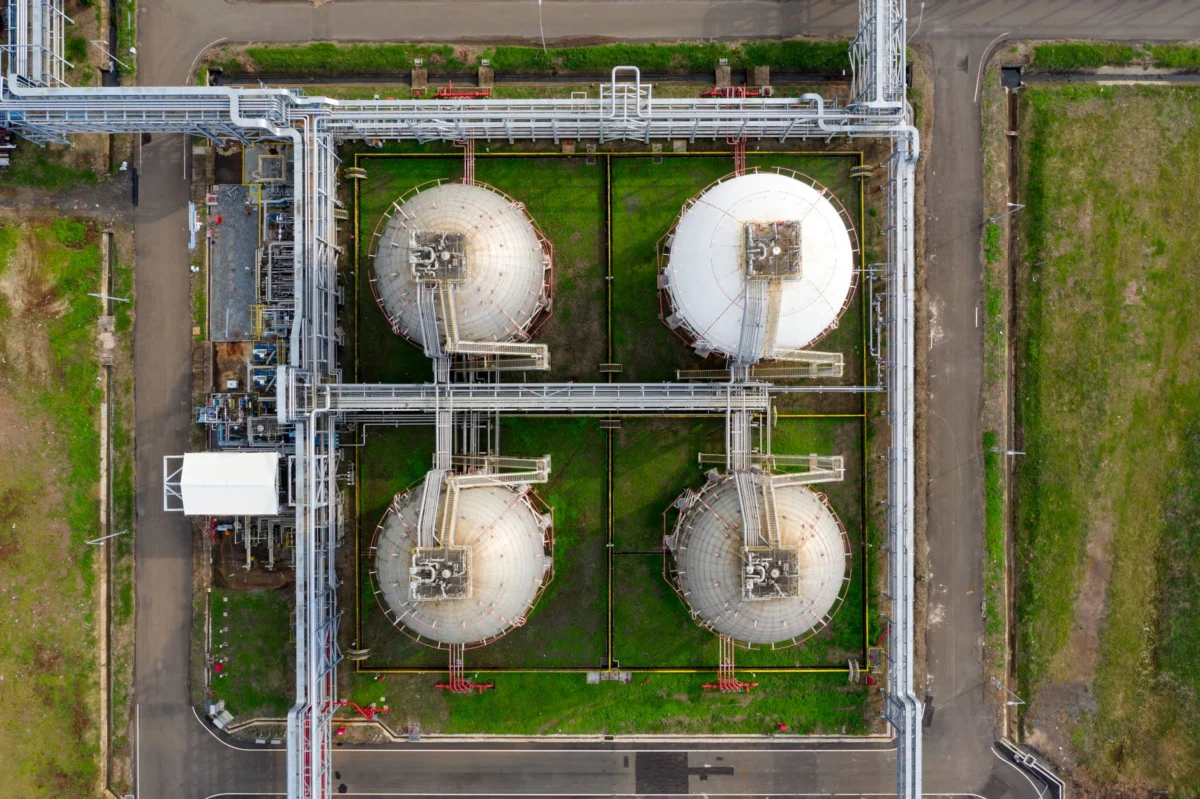
At 02:17 a.m. local time, a series of drone explosions ripped through the Tyumen oil refinery, sending plumes of black smoke into the Siberian sky.
Witnesses on the perimeter heard a distinct buzzing before the first blast shattered the night, followed by three more detonations within minutes. Emergency crews sealed off a 2‑kilometre radius, and over 500 refinery workers were evacuated to temporary shelters.
According to the online report from 112.ua, the attack caused fire extinguishing systems to fail in two processing units, halting production of gasoline and diesel that normally feeds the Urals region.
What happened at the Tyumen refinery?
The drones, described only as “small unmanned aerial vehicles,” struck the main oil‑processing complex. Officials recorded four separate explosions, each powerful enough to rip steel panels from storage tanks. No official casualty figures have been released yet, but the rapid evacuation suggests the plant’s safety protocols activated within seconds.
Local authorities have not identified the perpetrators, but the incident aligns with a pattern of aerial assaults on Russian energy infrastructure since the conflict intensified last year.
Why does this matter?
The Tyumen refinery processes roughly 7 million tonnes of crude annually, supplying roughly 12% of Russia’s domestic fuel market. Disrupting its output could raise gasoline prices across the western Siberian belt and force supply chains to reroute through more distant refineries, spiking transport costs for goods nationwide.
For consumers, a prolonged shutdown could mean higher pump prices and delayed deliveries of heating oil—a critical concern as Russia heads into a colder season.
Strategically, the strike showcases how relatively low‑cost drone technology can threaten high‑value assets, forcing security planners to rethink perimeter defenses around critical energy sites.
What happens next?
Firefighters are battling residual flames, while investigators sift through drone debris for serial numbers. The refinery’s management has pledged to resume limited operations within 48 hours, but full capacity may remain offline for weeks.
International observers will be watching the response closely, as any prolonged outage could ripple through global oil markets, nudging benchmark prices upward.
Stay tuned as the situation evolves and authorities release official statements.
Read more about how energy disruptions affect economy and markets and the growing role of unmanned warfare in war‑geopolitics.