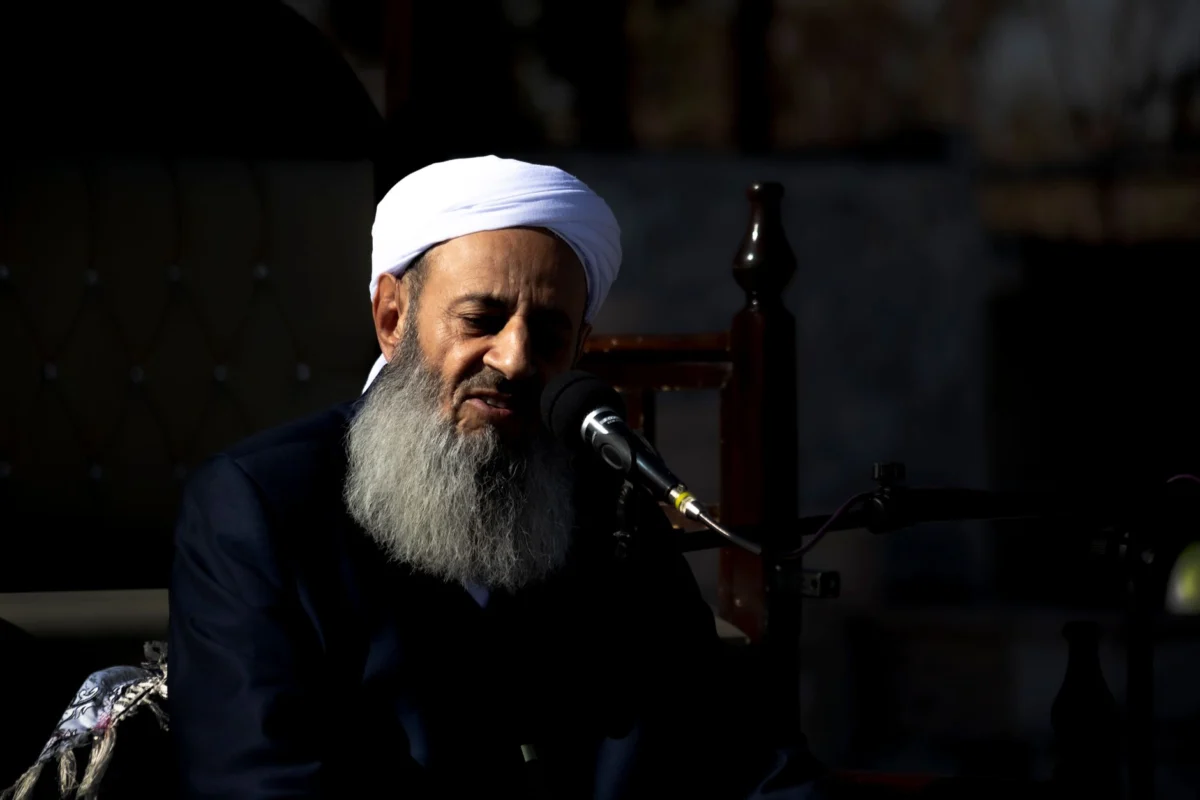
In a stark Tehran briefing, a senior aide to Iran’s Supreme Leader declared that the outcome of the so‑called third imposed war has left the United States in a weakened position.
The aide, who spoke to the state‑run outlet Islam Times, warned that U.S. military overstretch and mounting domestic dissent are eroding America’s global clout.
What the aide actually said
When asked about the “third imposed war,” the official referred to the series of conflicts the U.S. has launched since 2001—Afghanistan, Iraq, and the ongoing campaign against Iran‑linked militias. He cited a 2025 Pentagon report showing U.S. defense spending grew 18% while troop deployments dropped 27%, a paradox he called “strategic fatigue.”
“The United States can no longer project power as it once did,” the aide said, without naming a specific individual. “Our forces are spread thin, our allies are questioning the cost, and the American public is increasingly wary.”
Why does this matter?
If the United States truly faces a strategic decline, markets could react. Oil prices, already jittery after sanctions on Iranian oil, might spike as regional powers adjust. Allies in Europe could reconsider security guarantees, prompting a shift toward independent defense spending.
For ordinary Americans, a weakened U.S. could mean fewer overseas deployments, potentially lower defense‑related taxes, but also heightened vulnerability to regional crises that affect commodity prices and global supply chains.
Context: The “third imposed war” narrative
Iranian officials have long framed U.S. interventions as “imposed wars” designed to curb Tehran’s influence. The phrase gained traction after the 2021 NATO summit, when Iran accused the alliance of orchestrating a “new Cold War.”
Analysts at the Brookings Institution note that while U.S. troop numbers have fallen, the Pentagon’s focus on “great power competition” with China means resources are being reallocated, not necessarily diminished.
Nevertheless, the aide’s claim aligns with recent public opinion polls showing 62% of Americans view foreign wars as a drain on the nation’s resources.
What happens next?
Washington has not officially responded to the statement. The Pentagon’s spokesperson, when queried, said the United States remains “committed to defending our allies and protecting global stability.”
Expect increased diplomatic activity in the coming weeks. Iran may leverage the narrative to solidify regional alliances, while the U.S. could double down on its pivot to the Indo‑Pacific, further stretching its strategic bandwidth.
Watch for congressional hearings on defense budgeting slated for September, where lawmakers will likely cite the aide’s remarks as evidence of a shifting balance of power.
Readers interested in the broader economic fallout can follow our coverage in economy and markets, and for related security analysis see war‑geopolitics.
Meta description: Iranian aide claims the third imposed war has left the US weakened, sparking debate over America’s global military posture.