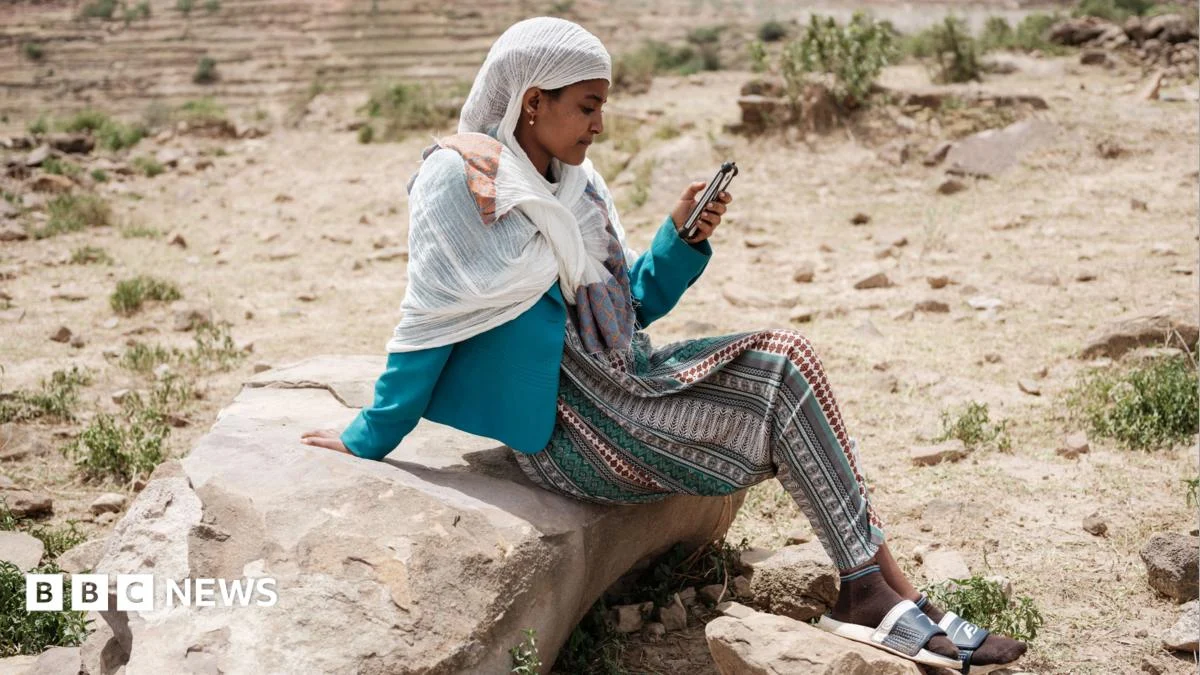
Internet services in Ethiopia’s Tigray region have been restricted after fighting resumed in the area, according to BBC News. The restrictions come as the region continues to recover from a two-year civil war that left it largely cut off from the outside world. This latest development raises concerns about communication blackouts and access to information amid ongoing unrest.
The reemergence of violence in Tigray signals a destabilizing turn for a region that had experienced a brief lull following the formal end of hostilities. The Ethiopian government and regional forces have not yet commented publicly on the cause of the latest clash. However, the immediate consequence is clear: residents are losing access to internet-based services, complicating humanitarian efforts, financial transactions, and family communication.
KEY FACTS
- Internet access restricted in Ethiopia’s Tigray region after fresh fighting.
- Tigray was cut off from the outside world during a two-year civil war.
- Fighting has resumed in the Tigray conflict zone.
- Communication links remain limited for civilians in the area.
- Humanitarian access may be further hindered by restrictions.
What Happens Next?
The future of the Tigray conflict remains uncertain, with both sides yet to issue formal statements about the cause or goals of the recent clashes. For now, the population bears the brunt of disrupted connectivity, which typically hampers everything from emergency response coordination to basic banking services. International observers have long warned that communication blackouts can obscure the realities of conflict, making it difficult to verify reports of violence or displacement. Whether the Ethiopian government moves to restore services or expand restrictions will signal its stance toward transparency and civilian welfare in the Tigray conflict zone. So far, no official timeline has been announced for reopening internet access.
Regional actors and aid organizations are likely monitoring the situation closely. Past patterns suggest that communication outages during the Tigray conflict often coincided with spikes in humanitarian need. Without reliable networks, delivering aid becomes logistically complex, especially in rural areas where mobile phones and satellite connections serve as lifelines. The international community may increase pressure for restored access, particularly if reports emerge of blocked humanitarian corridors. At this stage, attention is focused on whether the fighting will escalate or de-escalate in the coming days.
How Did We Get Here?
The roots of the Tigray conflict trace back to long-standing political tensions between the central government in Addis Ababa and the regional ruling party. A war officially began in late 2020 after the Tigray People’s Liberation Front accused Prime Minister Abiy Ahmed’s administration of marginalizing the region. Fighting lasted until November 2022, when a formal peace agreement was signed. During those two years, the region faced severe restrictions on movement, trade, and communication. The BBC News summary notes that the entire region was effectively cut off from the outside world during that time, limiting independent reporting and humanitarian outreach.
Although the peace deal aimed to restore stability, underlying grievances remain unresolved. Sporadic clashes have continued despite federal assurances of peace. Analysts note that without inclusive dialogue and sustained investment in reconstruction, cycles of violence are likely to persist. The recurrence of hostilities underscores the fragility of the peace process. International stakeholders continue to call for calm and renewed negotiations, warning that renewed warfare threatens broader stability across the Horn of Africa.
What We Know — and What We Don’t
Verified by the source:
- Internet services have been restricted in the Tigray region.
- Fighting has broken out again in the area.
- During the prior two-year civil war, the region was cut off from the outside world.
Still unconfirmed:
- Casualty figures or specific locations of the latest clashes.
- Official statements from the Ethiopian government or rebel groups.
- Reasons behind the cause of the current fighting.
- Duration or scope of the internet restrictions imposed.
Why It Matters
The Tigray conflict has already caused one of Africa’s worst humanitarian crises, with millions displaced and widespread famine reported. Any renewal of violence threatens to undo fragile gains made since the peace accord. Restricted internet access further isolates affected populations, limiting their ability to seek help or share information with the outside world. Global audiences and aid agencies depend on open communication channels to respond effectively to emerging needs.
What To Watch
Observers should watch for official comments from Ethiopian authorities or regional leaders regarding the resumption of hostilities. The restoration or expansion of internet access would indicate shifting priorities in the Tigray conflict.
Meta description: Internet access restricted in Ethiopia’s Tigray region after renewed fighting, echoing communication blackouts from a two-year civil war.