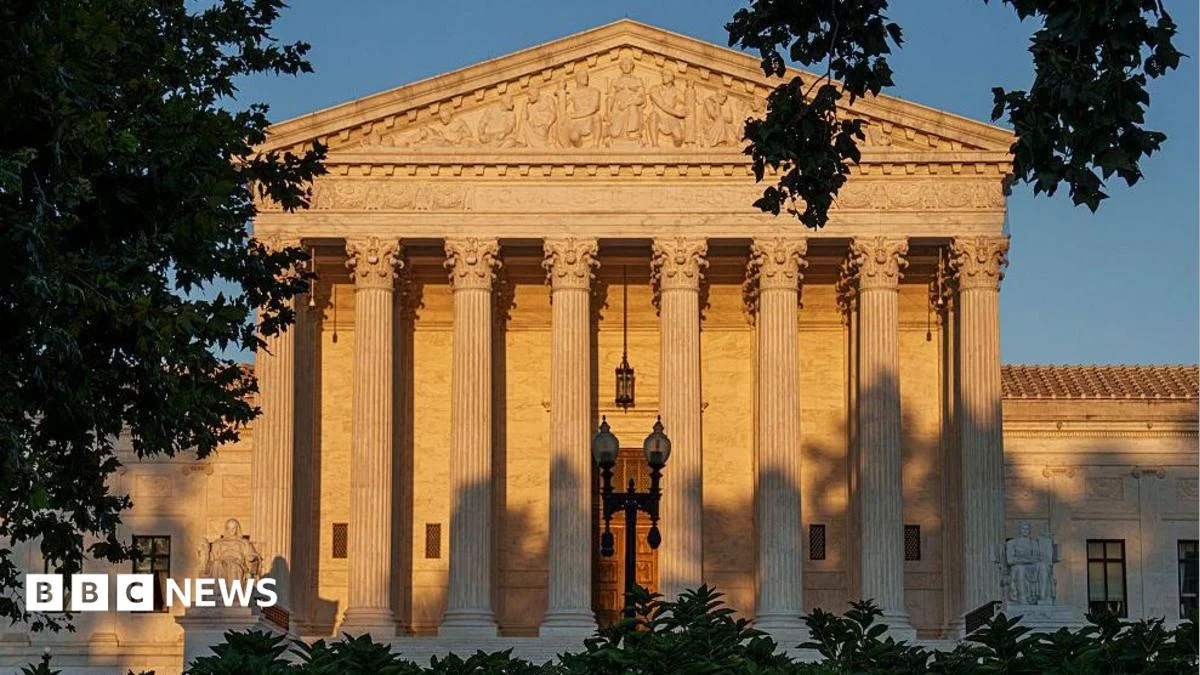
The Supreme Court has allowed the use of a controversial voter citizenship database linked to former President Donald Trump, despite criticism that the data may be unreliable.
The decision permits access to a database used to verify citizenship status, which critics warn could lead to eligible U.S. citizens being wrongly removed from voter rolls. The court’s action reflects ongoing legal and political tensions surrounding election integrity and voter eligibility.
Key Facts
- Supreme Court allowed Trump to use a controversial voter citizenship database.
- Critics question the reliability of the data, warning it could remove citizens from voter rolls.
- The database is used to check voter citizenship status.
- Removal of citizens from voter rolls is a key concern raised by critics.
- The court’s decision follows ongoing legal and political debate over election rules.
What the Court Decided
The Supreme Court’s ruling permits the use of a database designed to verify whether registered voters are U.S. citizens. This database has been at the center of a broader political and legal struggle over voting rights and election oversight.
Supporters argue the database helps ensure only eligible citizens vote. Critics say the underlying data lacks accuracy, risking the disenfranchisement of legitimate voters. The tension highlights competing priorities: preventing fraud versus protecting access.
Who Is Affected and Why It Matters
Voters whose names appear in the database could face challenges to their eligibility, particularly those flagged for citizenship verification. Election officials may need to cross-reference records, increasing administrative burden.
U.S. citizens may be wrongly removed from voter rolls if the database contains errors. Civil rights groups have warned that flawed or outdated records could disproportionately impact marginalized communities. The case underscores how election policies can affect fundamental democratic participation.
What Happens Next?
The continued use of the database may prompt further litigation, as advocacy groups and election officials respond to potential errors. Courts could revisit the issue if evidence emerges of wrongful removals or systemic data flaws.
Legal experts note that future administrations or parties may also seek similar access, making this ruling a precedent for how election databases are guarded. Public trust in voting systems remains closely tied to perceptions of fairness and accuracy.
What We Know — and What We Don’t
Verified by the source:
- The Supreme Court allowed Trump to use the voter citizenship database.
- The database is considered controversial.
- Critics warn the data may be unreliable.
- Removal of U.S. citizens from voter rolls is a stated risk.
Still unconfirmed:
- The specific database or agency involved is not identified.
- No timeline or procedural details of the court ruling are provided.
- No official statements or quotes from justices or Trump are cited.
- The scope and scale of potential removals remain unclear.
Why It Matters
Election databases and citizenship verification play a central role in public confidence in U.S. elections. How these tools are used can shape who participates in democracy and whether they are wrongly excluded, making this a defining issue for voting rights debates.
What To Watch
Future court cases may clarify how such databases are governed. Additional details from officials or advocacy groups could confirm whether wrongful removals occur.
Politics and War & Geopolitics coverage will track how election policy evolves under legal scrutiny. The ruling raises broader questions about election integrity and voter access.