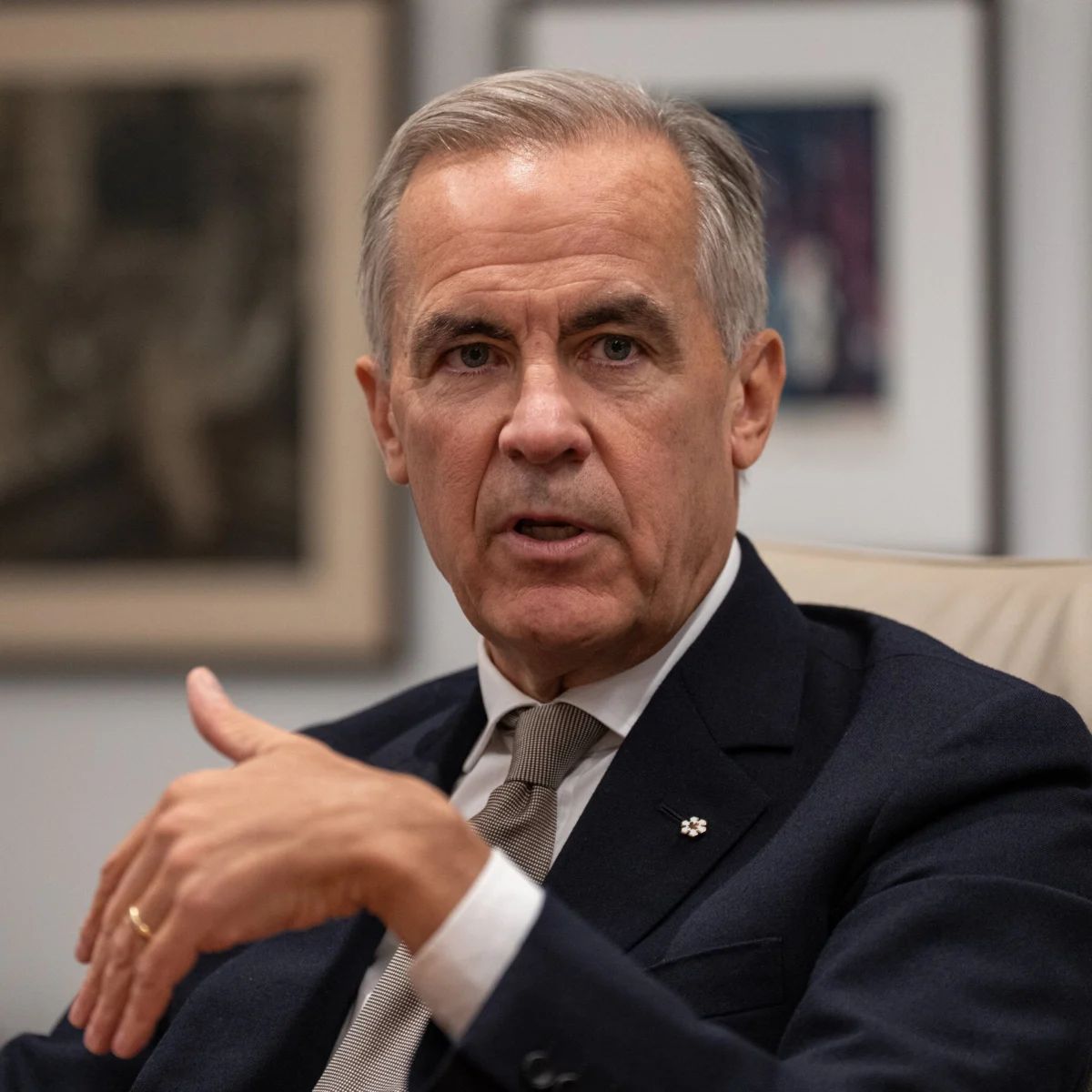
Canadian Prime Minister Mark Carney is actively pursuing new trade partners to diversify Canada’s global relationships, focusing on China, India and the European Union. However, analysts and officials acknowledge that none of these potential partnerships are expected to fully replace the depth of Canada’s existing economic and political ties with the United States.
This strategic shift reflects growing recognition within Canadian leadership that overreliance on a single partner poses long-term risks, especially amid evolving geopolitical dynamics. Yet the practical limitations of forming comparable partnerships with large economies remain significant.
KEY FACTS
- Canada’s prime minister is pursuing deeper ties with China, India and the EU.
- None of these nations are seen as likely replacements for U.S.-Canada relations.
- Areas of interest include trade, defense and cultural cooperation.
- The focus remains on reducing dependency through diversified partnerships.
STORY
Why pursue new trade partners now?
The push for new trade partners comes at a time when global trade patterns are shifting and traditional alliances are being reevaluated. Canada’s economy has long depended on the United States, with the majority of its exports flowing south of the border. This dependence makesCanada vulnerable to changes in U.S. policy, tariffs or political sentiment.
By strengthening ties with major powers like China and India, and maintaining engagement with the European Union, Canada aims to create alternative pathways for growth and stability. These efforts span sectors ranging from energy and technology to agriculture and infrastructure.
How deep can these new relationships go?
Despite the ambition behind these initiatives, experts suggest that matching the scale and integration of U.S.-Canada relations will prove difficult. Geographic proximity, shared language and decades of institutional alignment have made the bilateral relationship uniquely robust.
While enhanced cooperation with other nations may offer partial mitigation against future disruptions, structural barriers including regulatory differences, competing strategic interests and logistical challenges limit how far these ties can extend.
Who is affected by this pivot?
Businesses across various industries stand to benefit from expanded access to markets in Asia and Europe. At the same time, policymakers must navigate complex diplomatic landscapes where national priorities sometimes conflict with Canadian objectives.
For citizens, the outcome could mean more resilient supply chains and broader economic opportunities, provided that negotiations yield tangible results without compromising existing strengths.
WHAT WE KNOW — AND WHAT WE DON’T
Verified by the source:
- The prime minister is pursuing deeper ties with China, India and the EU.
- Trade, defense and cultural links are part of the strategy.
- These partnerships are not expected to replace U.S. ties.
Still unconfirmed:
- No specific timelines or agreements were mentioned.
- The extent of formal negotiations or commitments remains unclear.
- There is no indication of which ministries or officials are leading the effort.
WHY IT MATTERS
Diversifying trade relationships helps safeguard economies against sudden shocks, whether caused by policy shifts, conflicts or market volatility. For Canada, balancing renewed engagement abroad with preserving its most important alliance remains a delicate task with far-reaching implications for both domestic prosperity and international influence.
WHAT TO WATCH
Future developments may include high-level visits, preliminary trade discussions or updated foreign policy statements outlining how Canada intends to deepen these new partnerships while safeguarding core interests.