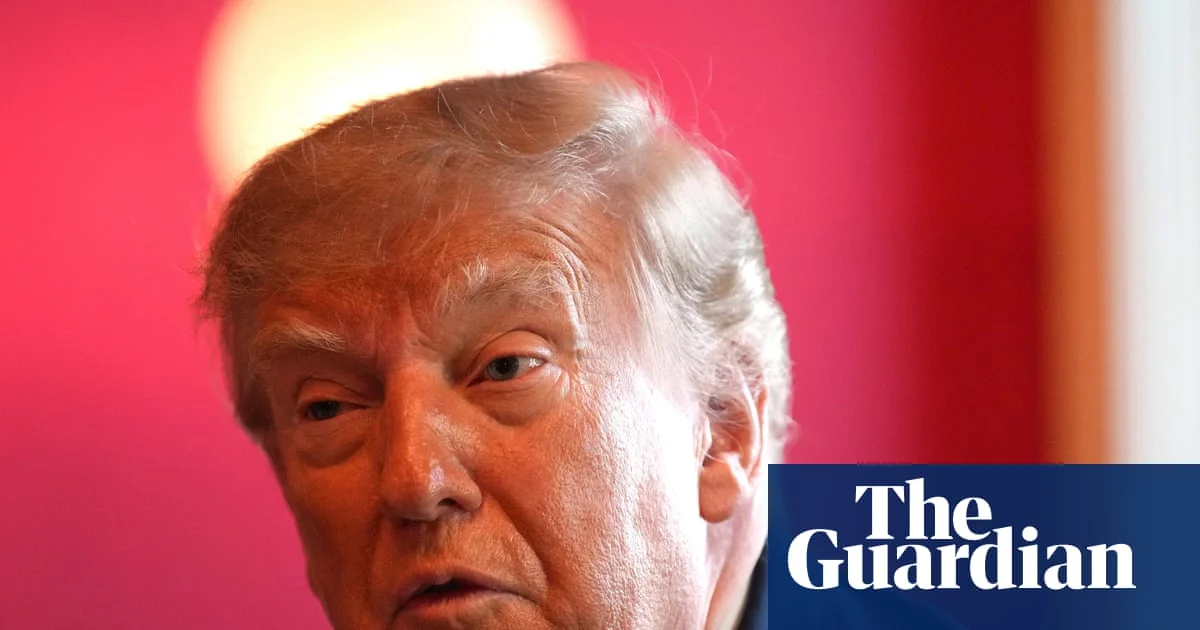
Trump cancels funding approved by Congress, the White House announced on Friday, revoking nearly $1 billion in spending that had bipartisan support. The funding was targeted at immigrant services and diversity-focused initiatives, according to the Office of Management and Budget, which described the cancellations as aimed at eliminating “the most harmful government spending.”
The move marks a significant use of executive authority over the federal budget, reversing expenditures that Congress had already authorized. The cancellations affect programs that received bipartisan backing, raising questions about executive-branch oversight of appropriations.
Key Facts
- President Trump is canceling nearly $1 billion in spending approved by Congress.
- The White House announced the cancellations on Friday.
- The funding targeted immigrant services and diversity-focused initiatives.
- Congress had approved the funding with bipartisan support.
- The cancellations were justified as eliminating harmful government spending.
How Did We Get Here?
The Trump administration’s action involves a rarely used executive tool that allows the president to disapprove spending items after Congress has already authorized them. This power is typically exercised through a process called a disapproval message, where the president formally notifies Congress of objections to specific expenditures.
Historically, presidents have been cautious in invoking this authority, often deferring to the legislative branch’s role in appropriations. The scale and scope of this latest round of cancellations — affecting nearly $1 billion across multiple programs — represent an unusual exercise of the power, particularly given the bipartisan nature of the original approvals.
Government spending experts note that while the president cannot permanently cancel appropriations without congressional action, the disapproval process can delay or effectively halt funds from being obligated. Legal scholars have debated the boundaries of this authority, especially when used to target programs with bipartisan support.
Who Is Affected?
The canceled funding was designated for programs related to immigrant services and initiatives focused on diversity, equity, and inclusion efforts across federal agencies. These programs typically support community-based organizations, legal aid providers, and nonprofit groups that assist immigrants and refugees navigating the U.S. immigration system.
Because the original funding carried bipartisan backing in Congress, the cancellations may also affect lawmakers who supported the initiatives, complicating future legislative efforts on related policy areas. Some organizations that had anticipated receiving federal support have indicated they will seek alternative funding sources or scale back operations.
Advocacy groups have expressed concern that the cancellations could disrupt services for vulnerable populations, particularly those relying on federally funded programs for legal assistance, language services, and integration support. The long-term impact on service delivery remains unclear, as some programs may have existing reserves or alternative funding streams.
What Happens Next?
The canceled funding does not disappear entirely; the president’s disapproval message initiates a process in which Congress may attempt to overturn the cancellations or restore the funds through separate legislation. Lawmakers who supported the original appropriations could potentially introduce resolutions to override the president’s action, though success would depend on securing enough votes and navigating procedural hurdles.
Legal challenges are also possible, particularly if advocacy organizations or affected agencies question the scope of the president’s authority in this context. Courts have occasionally weighed in on the limits of executive budgetary control versus congressional appropriations power, though precedents vary widely.
Congressional committees overseeing relevant agencies may also hold hearings to examine the rationale behind the cancellations and demand documentation from the White House. These hearings could shed light on how the administration determined which expenditures qualified as “harmful” and whether data or policy assessments supported the decision.
What We Know — and What We Don’t
Verified by the source:
- The White House announced the cancellations on Friday.
- Nearly $1 billion in congressional funding was canceled.
- The funding was approved by Congress with bipartisan support.
- Programs affected included immigrant services and diversity-focused initiatives.
- The Office of Management and Budget described the cuts as targeting harmful spending.
Still unconfirmed:
- The specific list of programs or agencies affected by the cancellations.
- The legal mechanism used to implement the disapproval message.
- Whether Congress intends to challenge or override the cancellations.
- Timeline for how quickly the cancellations will take effect.
- Precise reasoning used to classify the spending as “harmful.”
Why It Matters
The cancellation raises broader questions about the balance of power between the executive and legislative branches in controlling federal spending. When the president unilaterally reverses bipartisan funding decisions, it tests long-standing norms of fiscal cooperation and can set precedents for future administrations.
Moreover, the affected programs often serve communities with limited alternatives for accessing services, meaning budgetary shifts at the federal level can have direct consequences on the ground. For readers tracking federal spending, immigration policy, or interbranch politics, these cancellations signal a more aggressive approach to budgetary control.
Understanding how this dynamic evolves may become critical for voters, advocacy groups, and policymakers who rely on stable, predictable funding for public services.
What To Watch
Watch for potential congressional efforts to override the cancellations, legal challenges from advocacy groups, or public responses from affected organizations. Additional details about which specific programs were cut and how agencies will respond are also expected in coming weeks.