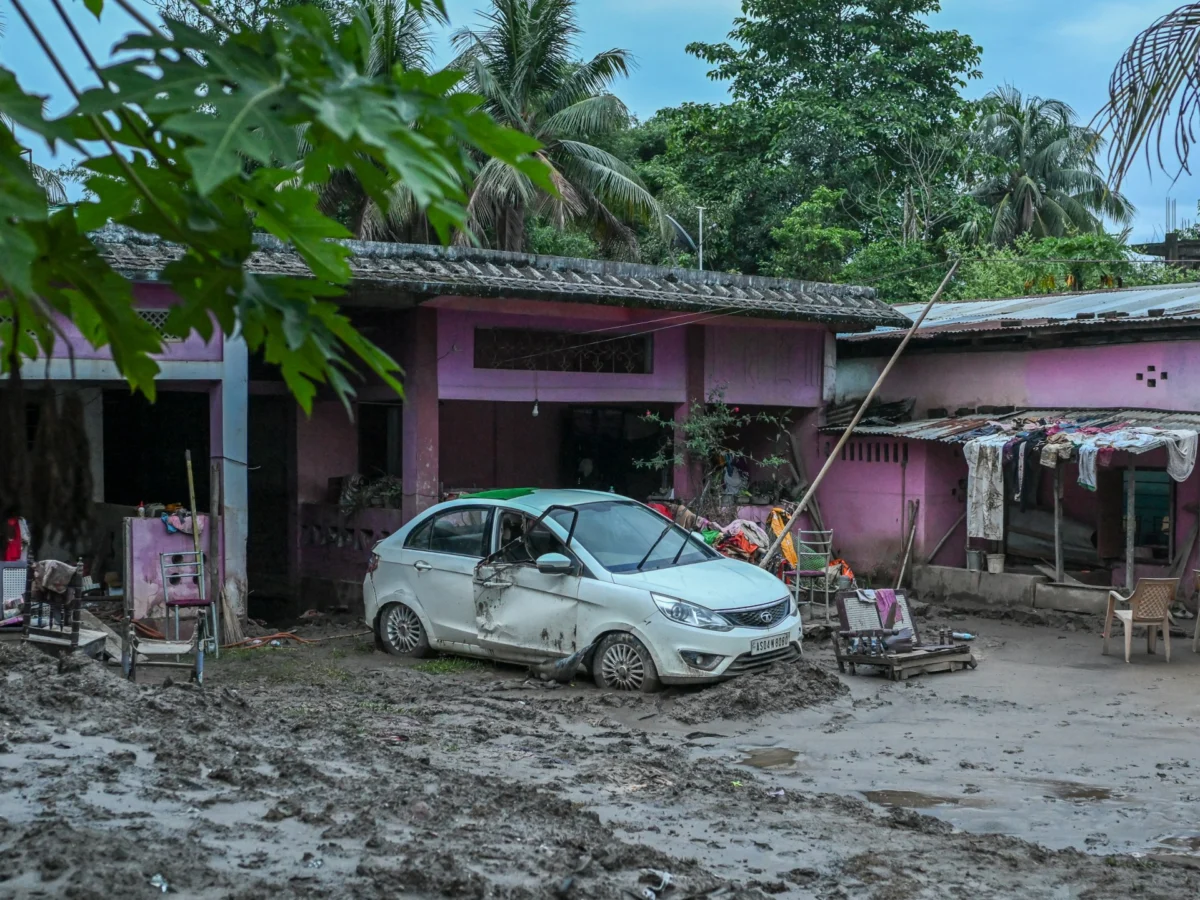
India’s severe monsoon season has resulted in more than 100 deaths since July, according to Al Jazeera. Heavy rains have caused widespread flooding and landslides, with climate change and El Nino contributing to disrupted rainfall patterns.
The annual monsoon is crucial for agriculture but also brings destruction when rainfall is excessive. This year’s intense downpours have overwhelmed infrastructure in affected regions, though the source does not specify exact locations.
KEY FACTS
- India’s monsoon season has caused more than 100 deaths since July
- Floods and landslides resulted from monsoon downpours
- Climate change and El Nino are disrupting rainfall patterns
What areas are most affected?
While the source doesn’t specify exact locations, monsoon rains typically hit hardest in India’s northern and western regions. States like Maharashtra, Assam, and Bihar frequently experience severe flooding during peak monsoon months from June to September.
How does climate change affect monsoons?
Climate change is making rainfall patterns less predictable, with some areas receiving more intense downpours while others face drought. Warmer air holds more moisture, potentially increasing the severity of monsoon rains. El Nino events, which occur periodically, can further disrupt normal weather patterns across South Asia.
WHAT WE KNOW — AND WHAT WE DON’T
Verified by the source:
- Death toll exceeds 100 since July
- Floods and landslides occurred
- Climate change and El Nino are influencing rainfall
Still unconfirmed:
- Specific locations of most severe impacts
- Breakdown of causes of death
- Projections for remainder of monsoon season
WHY IT MATTERS
Monsoon rains are vital for India’s agriculture but can become deadly when excessive. Understanding how climate change affects these patterns helps prepare for future extreme weather events that threaten lives and infrastructure across South Asia.
WHAT TO WATCH
Authorities will continue monitoring rainfall patterns as the monsoon season continues. Relief efforts in affected areas may become clearer as more specific information emerges about the hardest-hit regions.