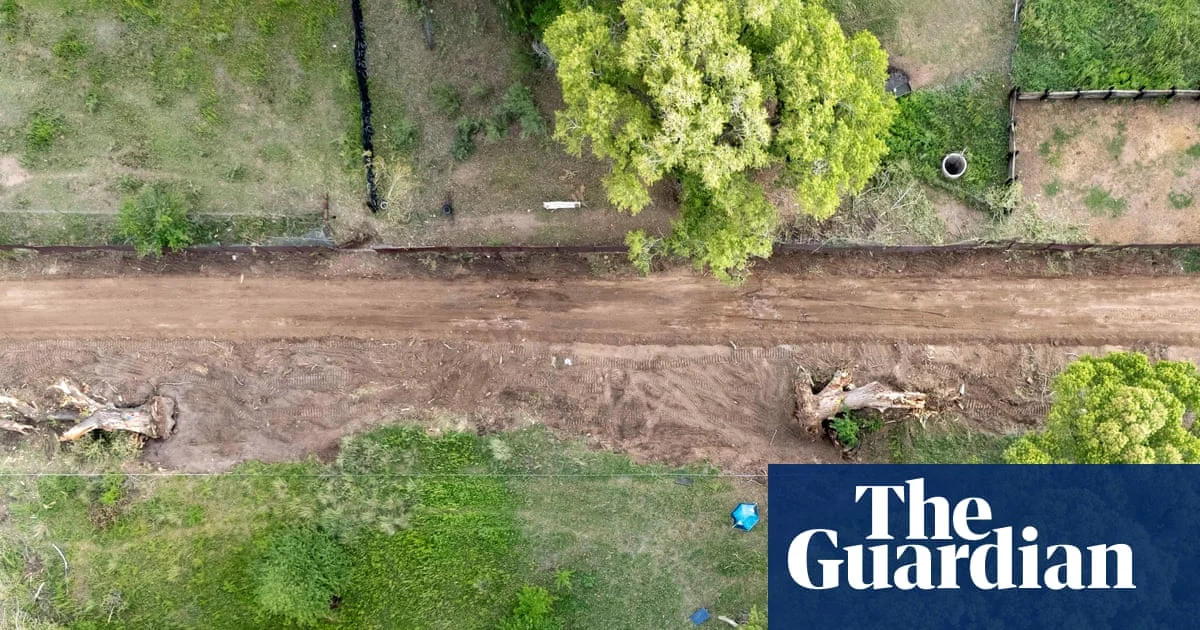
Protesters are occupying a 200-year-old cottonwood tree near the US-Mexico border in Arizona to stop its destruction for a border wall construction project. Demonstrators describe the tree as ‘our Statue of Liberty,’ symbolizing their resistance to the removal of the ancient grove.
The protest escalated last week in the remote town of Lochiel, located in Arizona’s San Rafael valley. Federal contractors working for Fisher Sand and Gravel have already destroyed three of the largest cottonwoods using excavators, according to The Guardian.
KEY FACTS
- Protesters are staging a ‘tree sit’ in Lochiel, Arizona, to prevent the destruction of ancient cottonwood trees.
- Federal contractors crushed three of the largest cottonwoods with excavators on 27 July.
- The trees are being removed to make way for a row of two 30ft border walls.
- The protest is occurring near the US-Mexico border in the San Rafael valley.
- Contractors are working for Fisher Sand and Gravel.
WHAT IS AT STAKE?
The ancient cottonwood grove, including a 200-year-old tree, is at risk of being destroyed to accommodate construction of the border wall. Protesters argue that the trees hold ecological and symbolic significance, comparing them to national monuments like the Statue of Liberty. The grove is part of the remote San Rafael valley ecosystem, which could be altered by the wall’s construction.
HOW DID WE GET HERE?
The protest began in response to accelerated construction efforts along the border. Fisher Sand and Gravel, a contractor involved in previous border wall projects, has been clearing land in the area. The demonstrators’ ‘tree sit’ tactic is a form of civil disobedience used historically in environmental activism to physically block destruction.
WHAT WE KNOW — AND WHAT WE DON’T
Verified by the source:
- Protesters are occupying trees to stop their removal.
- Three large cottonwoods were destroyed on 27 July.
- The border wall project involves two 30ft walls.
Still unconfirmed:
- Whether additional trees will be removed.
- The exact timeline for wall construction.
- Any official response from federal agencies.
WHY IT MATTERS
The conflict highlights tensions between national security infrastructure and environmental preservation. Border wall construction has faced legal and environmental challenges nationwide, with critics arguing it harms ecosystems and indigenous lands. This protest underscores local opposition to the project’s expansion.
WHAT TO WATCH
Further clashes between protesters and contractors are possible as construction continues. The response from federal authorities and any legal actions to halt tree removal could determine the grove’s fate.