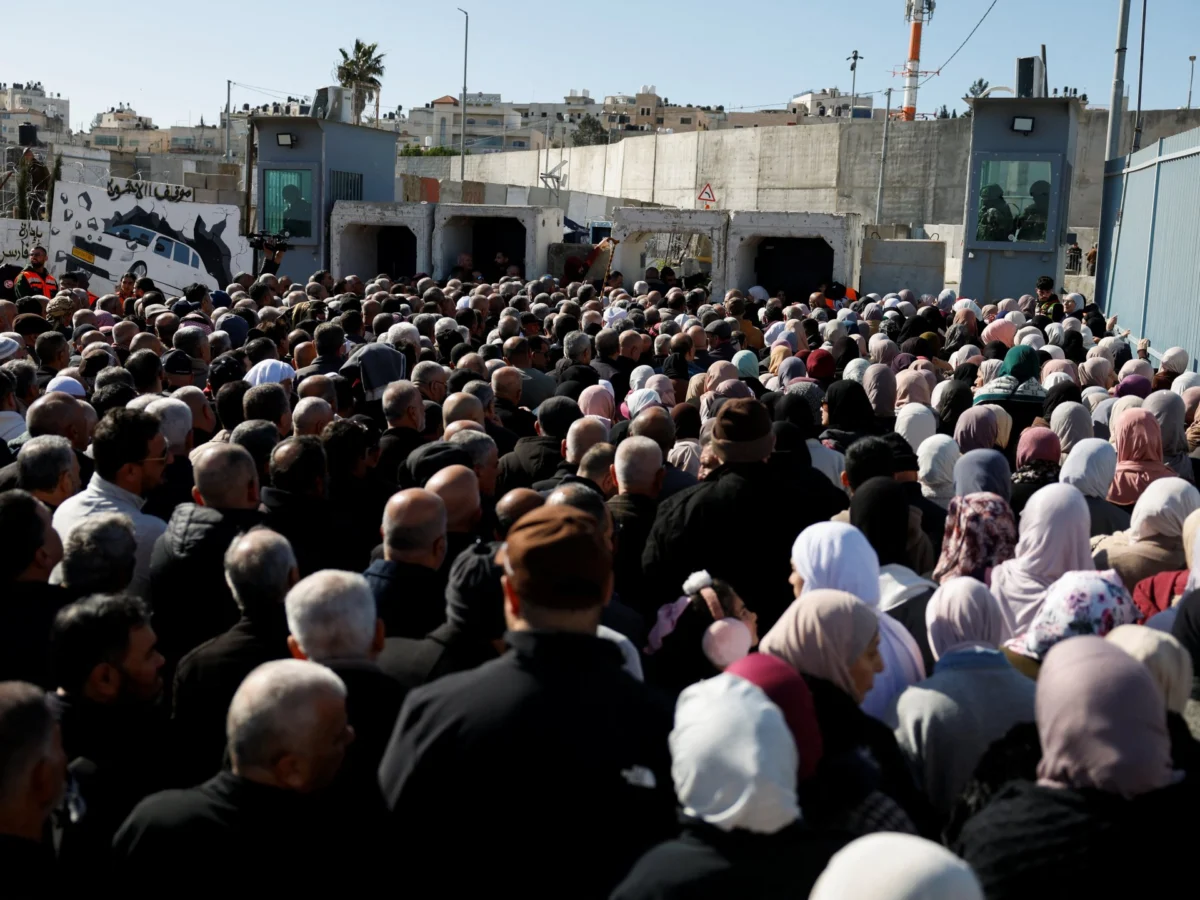
Israeli restrictions on Palestinian movement in the West Bank are causing significant fragmentation and hardship, but they do not contribute to Israel’s security, according to Al Jazeera.
The barriers imposed by Israel severely limit the daily lives of Palestinians, making travel and commerce difficult. Despite the stated aim of enhancing security, these measures do not achieve their intended purpose, according to analysis.
Key Facts
- Israeli restrictions on movement make life extremely difficult for Palestinians in the West Bank.
- These barriers do not enhance Israel’s security.
- The West Bank is fragmented due to these restrictions.
The Story
Who is affected?
The Palestinian population in the West Bank bears the brunt of these restrictions. Daily activities, such as commuting to work or accessing services, become arduous tasks. The restrictions also hinder economic activities, exacerbating the region’s poverty.
How did we get here?
The imposition of movement barriers in the West Bank dates back to various security measures implemented by Israel over the years. These measures were initially justified as necessary for preventing attacks, but their effectiveness is now questioned.
What We Know — and What We Don’t
Verified by the source:
- Israeli restrictions severely disrupt Palestinian movement in the West Bank.
- These restrictions do not improve Israel’s security.
Still unconfirmed:
- The specific number of barriers or checkpoints in the West Bank.
- Long-term impacts on Palestinian communities and Israeli security.
Why It Matters
The restrictions not only affect the daily lives of Palestinians but also contribute to the broader geopolitical tensions in the region. Understanding the implications of these measures is crucial for fostering dialogue and seeking solutions.
What To Watch
Monitoring the ongoing impact of these restrictions and any shifts in Israeli policy will be essential for understanding future developments in the West Bank.