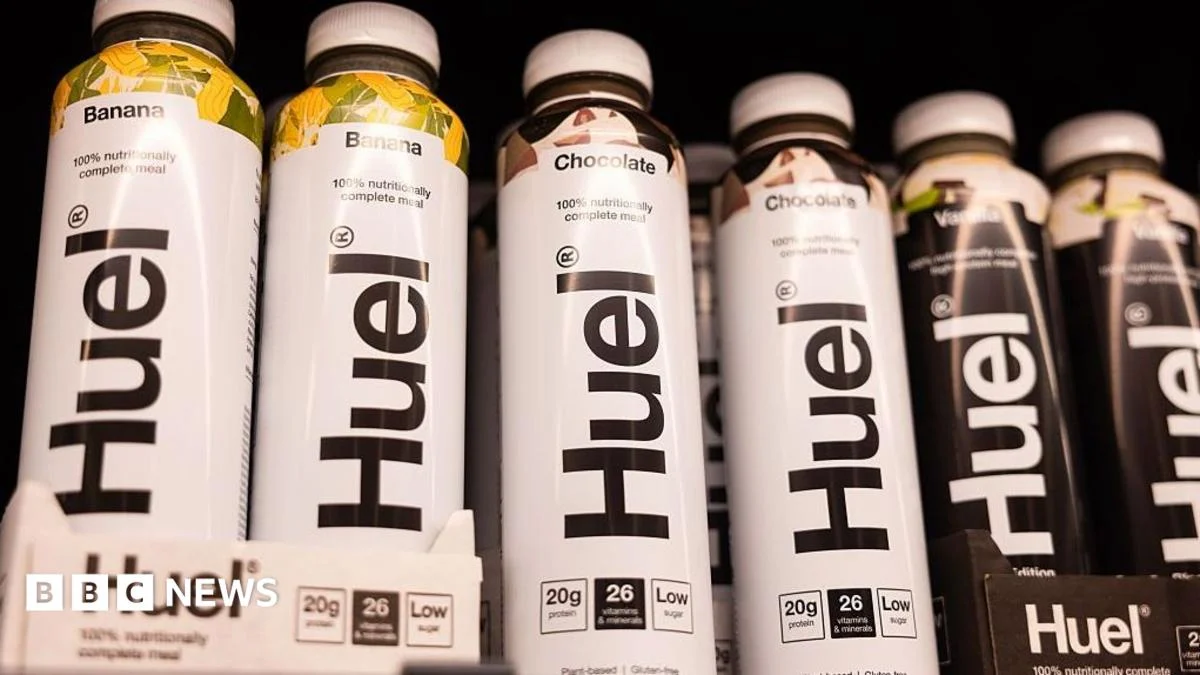
A Huel advertisement has been banned by the UK advertising watchdog after it was deemed to suggest that its products could replace all conventional food in a nutritionally appropriate way. The ruling stems from concerns that viewers might interpret the messaging as endorsing a complete dietary overhaul using only Huel products.
The Advertising Standards Authority (ASA) concluded that the ad could lead consumers to believe that substituting all normal food with Huel was both feasible and nutritionally sound. While Huel offers meal replacement shakes and other convenience foods aimed at simplifying nutrition, the ASA determined that the ad overstated its benefits and potential use cases.
KEY FACTS
- Huel ad ban: A Huel advertisement was banned by the UK advertising watchdog.
- Nutritional assumptions: Viewers could assume replacing all normal food with Huel was nutritionally appropriate.
- Authority involved: The ad was reviewed and banned by the Advertising Standards Authority.
- Product type: Huel sells meal replacement products including shakes and bars.
- Category: This story falls under economy-markets due to regulatory impact on advertising and business practices.
What Did the Ad Claim?
The ASA found that the Huel ad contained language or imagery that implied users could fully replace their traditional diets with Huel products without compromising nutritional health. This interpretation raised red flags for regulators who monitor misleading health and wellness claims in advertising.
While many consumers turn to meal replacements for convenience or weight management, the idea of entirely replacing whole foods with processed alternatives remains controversial among nutrition experts. Regulators aim to prevent brands from making sweeping promises that may not align with scientific consensus or medical advice.
Why This Matters for Consumers and Brands
<n
Ad bans like this affect how companies communicate their product value propositions. For Huel, which operates in the growing health-tech food sector, maintaining trust through compliant marketing is crucial for market expansion and investor confidence.
Misleading ads often result in formal warnings, required corrections, or restrictions on future campaigns. These actions can delay product rollouts, reduce brand visibility, and incur legal costs—all factors investors consider when evaluating companies in competitive markets such as food tech.
What Happens Next?
Following an ASA ruling, advertisers typically have time to appeal or revise their campaigns before new versions go live. In some cases, modified ads must undergo pre-approval if similar issues arise again.
Businesses may adjust messaging to emphasize partial usage rather than full substitution. Meanwhile, regulators continue monitoring sectors where bold wellness claims intersect with consumer protection laws, especially those involving dietary changes or health outcomes.
WHAT WE KNOW / WHAT WE DON’T
Verified by the source:
- The ASA banned a Huel ad for implying total food replacement was nutritionally sound.
- The decision was based on viewer assumptions drawn directly from the ad’s content.
- Huel markets meal replacement products designed as part of a broader diet.
Still unconfirmed:
- The exact wording or visual elements used in the ad that triggered the complaint.
- Whether Huel plans to appeal the ASA’s decision.
- If additional penalties or restrictions will apply beyond the immediate ban.
WHY IT MATTERS
Regulatory scrutiny of wellness-focused advertising helps protect consumers from potentially harmful dietary advice while shaping transparent communication standards across emerging food technologies and related economy-markets trends.
WHAT TO WATCH
Moving forward, stakeholders should watch whether Huel revises its marketing approach or appeals the ASA ruling. Investors will also watch how this affects public perception and sales performance within the economy-markets landscape tied to health-conscious consumer goods.