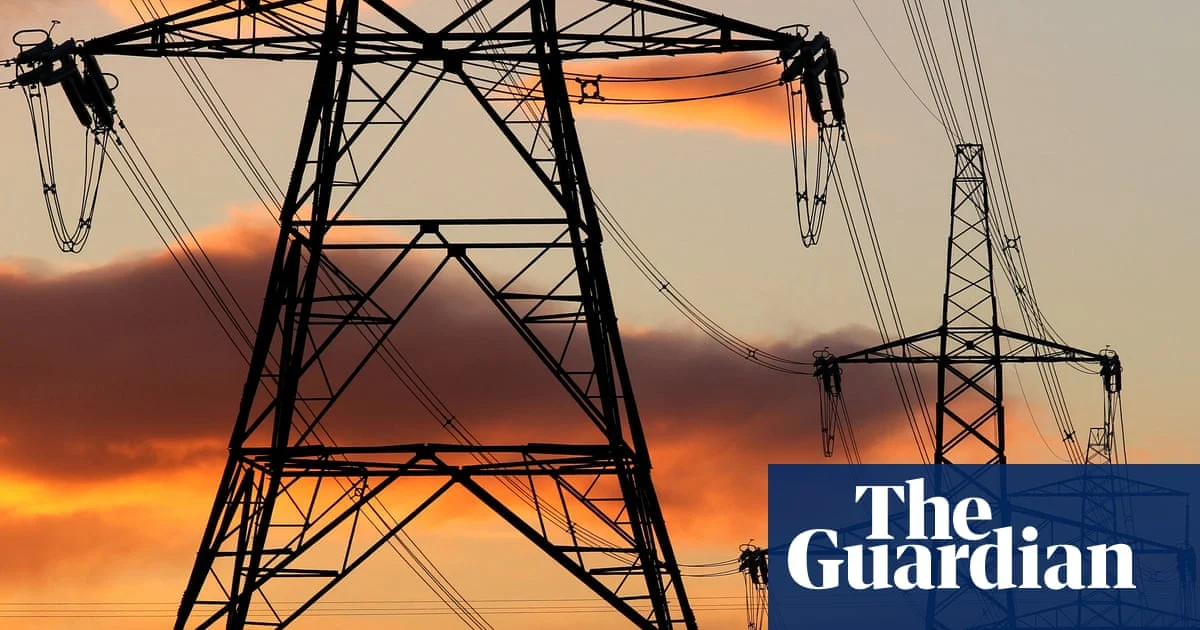
Ledede paragraph: British Prime Minister Andy Burnham has proposed the creation of a new government-backed network body, the Great British Grid, aimed at investing in the UK’s electricity infrastructure to help curb soaring energy costs. His first address to the Labour Party conference focused heavily on rising energy prices and economic stagnation. Continue reading…
The proposals build on an earlier manifesto pledge to launch Great British Energy, described as a state-owned entity for renewable energy investment. Some in the energy sector have welcomed the plans, while others worry the initiative could amount to yet another quasi-autonomous public body, or quango.
KEY FACTS
- Andy Burnham addressed the Labour Party conference as prime minister
- Plans include a new government-backed body named Great British Grid
- The grid body is intended to invest in Britain’s electricity network
- Proposals respond to rising energy costs and sluggish economic growth
- Previous manifesto pledges included a state-owned company called Great British Energy
What Happens Next?
The Guardian initially revealed details of the Great British Grid proposal, which now forms part of the broader Labour agenda. By linking the new grid investment body to prior pledges like Great British Energy, the government seeks continuity even as critics raise concerns about bureaucratic expansion. Whether Parliament moves to formalise these plans or how funding will be secured remains unclear.
Who Is Affected?
Consumers facing steep energy bills, investors watching public spending, and energy sector stakeholders are all potentially impacted by the GB Grid plan. Supporters argue grid upgrades could lower long-term electricity costs and accelerate clean power delivery. Opponents fear duplication of roles or mismanagement under fresh public bodies. The proposal sits amid ongoing pressure on household budgets and national productivity figures.
How Did We Get Here?
Burnham’s speech comes during a period marked by rising living costs and muted economic indicators. The Labour Party previously vowed to establish Great British Energy as part of its environmental strategy, and now extends the approach with the GB Grid plan. The shift signals a renewed emphasis on state involvement in strategic infrastructure as political debate sharpens around affordability and energy security.
WHAT WE KNOW — AND WHAT WE DON’T
Verified by the source:
- The Great British Grid was first reported by The Guardian
- The proposal responds to rising energy costs and economic stagnation
- Plans align with an earlier manifesto commitment to Great British Energy
- The energy sector response is mixed, with both support and skepticism
Still unconfirmed:
- No official budget figures for Great British Grid investment have been confirmed
- Timeline for parliamentary approval or implementation has not been stated
- Details on governance structure or staffing remain unspecified
- Exact criteria for selecting grid projects eligible for funding are unknown
WHY IT MATTERS
Amid persistent pressures on household finances and energy affordability, the GB Grid plan reflects efforts to position public investment as a lever for cost reductions. General readers should track whether infrastructure spending can meaningfully offset consumer price trends, particularly as political leaders frame energy security as both an economic and environmental priority.
Meta description: Andy Burnham’s GB Grid plan proposes investing in the electricity network to tackle rising energy bills; critics call it another quango.
What To Watch
All eyes now turn to whether legislation will be introduced to formalise the GB Grid body and how the government plans to fund infrastructure upgrades. Industry feedback and any further commentary from officials will shape the next phases of energy policy development.