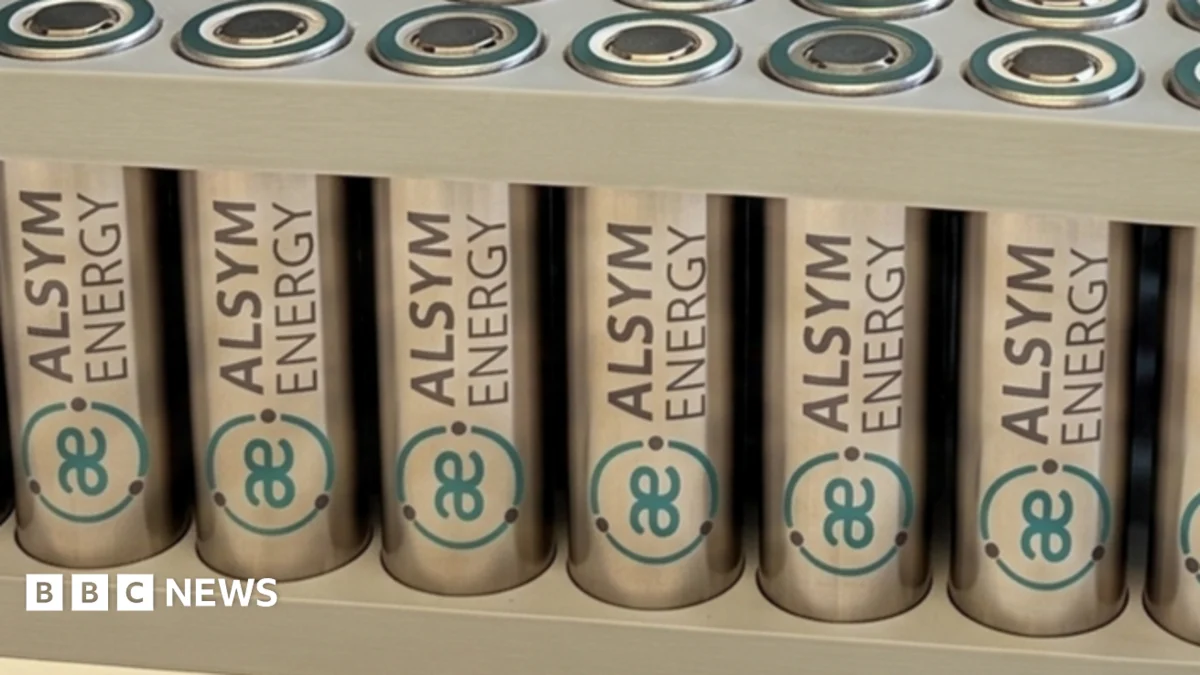
Lithium-ion batteries have powered the global shift toward electric vehicles and renewable energy storage, but their supply chains remain concentrated overseas. A new wave of start-ups is betting that sodium-ion battery manufacturing could help bring production back to the United States using abundant domestic resources. These efforts reflect growing interest in securing critical mineral supplies within national borders.
Batteries based on sodium-ion technology could be made in the US with locally sourced materials, according to reporting. Unlike lithium, sodium is plentiful in seawater and common salt deposits, reducing reliance on geopolitically sensitive regions. Start-ups are exploring ways to scale up this approach, though technical hurdles and market competition remain significant challenges.
Key Facts
- Batteries based on sodium-ion technology are being explored for US production.
- These batteries could use locally sourced materials if manufactured domestically.
- Start-ups are aiming to return battery manufacturing to the US.
How Did We Get Here?
The global battery industry has long relied on China, which dominates the processing of lithium, cobalt, and other key elements. Trade tensions and supply chain disruptions have prompted governments and companies to seek alternatives. Sodium-ion technology offers a promising path because sodium does not require mining in conflict-prone areas and can be extracted from seawater or table salt.
While sodium-ion batteries currently lag behind lithium-ion in energy density and performance, researchers say cost advantages and safety improvements make them suitable for large-scale applications like grid storage. Several start-ups are reportedly working on pilot projects, though few have reached commercial scale. Experts note that scaling production while maintaining quality will be crucial for long-term viability.
What Happens Next?
The success of these start-ups depends on securing investment, building partnerships, and navigating regulatory frameworks that support domestic clean energy industries. Government incentives may play a role in accelerating adoption, particularly if policies prioritize energy security over low-cost imports.
Analysts say broader trends toward electrification and decarbonization create demand for diverse battery chemistries. However, established players with mature lithium-ion supply chains pose stiff competition. Whether sodium-ion technology can capture meaningful market share remains uncertain, but early movement suggests growing confidence in its potential role in the future energy landscape.
What We Know — and What We Don’t
Verified by the source:
- Sodium-ion batteries could be produced in the US using local materials.
- Start-ups are attempting to bring battery manufacturing back to the US.
Still unconfirmed:
- The names of specific start-ups involved.
- Timeline for commercial-scale production.
- Exact funding levels or government support programs.
- Performance benchmarks compared to lithium-ion batteries.
Why It Matters
A successful return of battery manufacturing to the US could reduce dependence on foreign suppliers and strengthen national resilience in clean energy sectors. Diversifying battery technologies also opens opportunities for innovation and job creation in emerging markets.
What To Watch
Further announcements from start-ups or policymakers regarding funding, pilot projects, or trade policies affecting battery production could shape the trajectory of this emerging sector. Independent verification of claimed advancements in sodium-ion efficiency will also clarify its competitiveness against traditional lithium-ion alternatives.