Lede
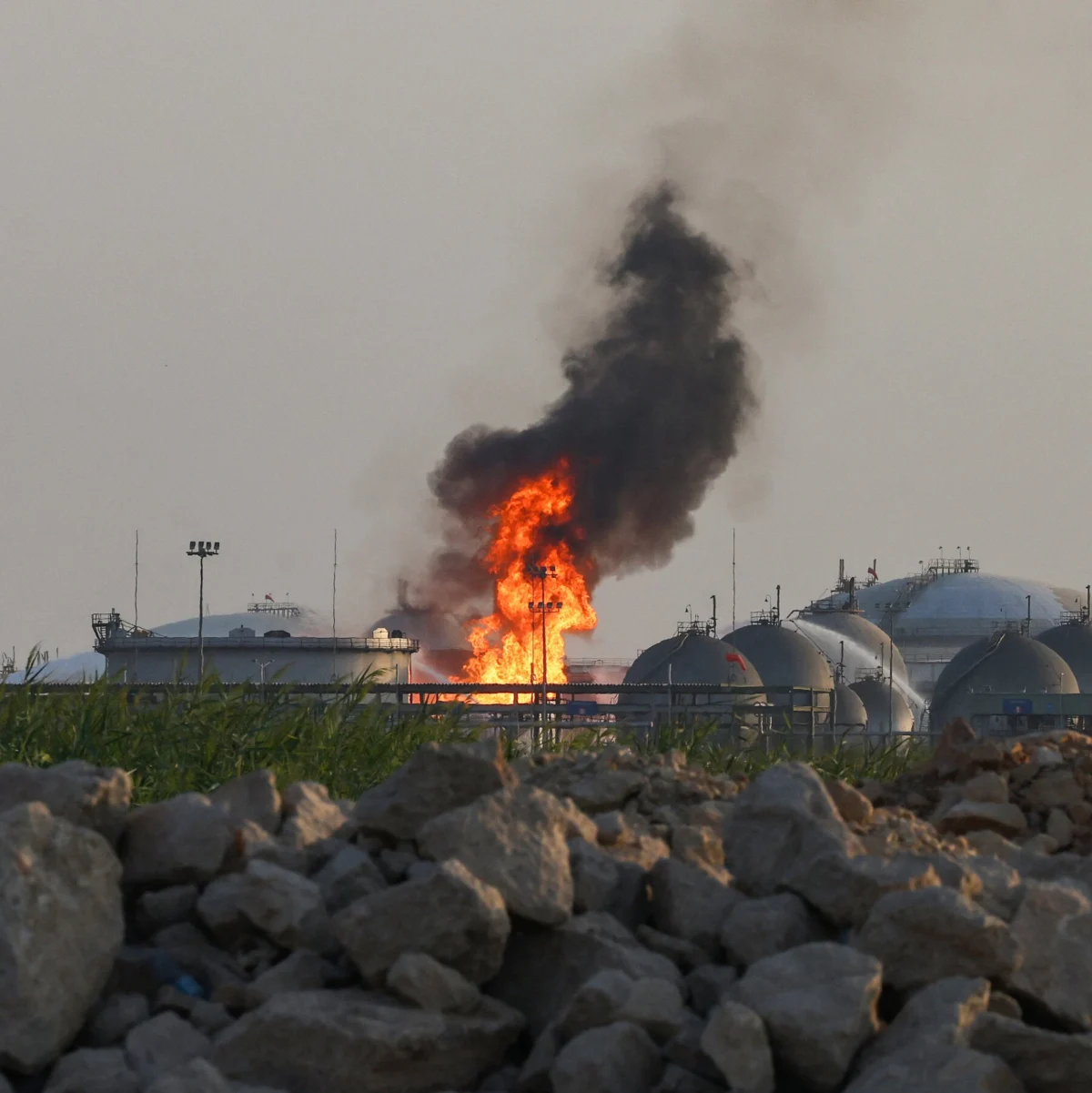
The Iran-backed Houthi militia claimed responsibility for attacking an Aramco facility in Saudi Arabia’s capital, Riyadh, as the Yemen conflict escalated further with new airstrikes on the Yemeni capital.
Fears of a widening regional war grew after the Houthis said they struck the Saudi energy giant’s site, while separate airstrikes intensified in Sana’a, the capital of Yemen. The developments underscore how instability in Yemen continues to spill across borders, increasing pressure on neighboring states and global energy markets.
Key Facts
- Houthis claimed attack on Aramco site in Riyadh.
- Iran-backed militia said it targeted Saudi Arabia’s capital.
- Fresh airstrikes hit the Yemeni capital, Sana’a.
- Escalation raises fears of a widening regional war.
The Story
How did we get here?
The latest developments reflect a deepening cycle of retaliation tied to the ongoing Yemen conflict. The Houthis, who control much of northern Yemen including the capital Sana’a, have previously launched cross-border attacks into Saudi Arabia, often using drones or missiles supplied by Tehran-linked actors.
Saudi Arabia leads a military coalition that has been engaged in Yemen since 2015, aiming to restore the internationally recognized government. However, years of fighting have left the country devastated, with one of the world’s worst humanitarian crises. Recent reports suggest morale among regional powers remains tense, increasing the risk of unintended escalation.
While no casualties or detailed damage assessments were provided in initial statements, the symbolic targeting of Aramco—a key pillar of Saudi economic power—signals a deliberate effort to draw attention beyond Yemen’s borders. This tactic aligns with past Houthi strategies aimed at pressuring Riyadh through disruption of critical infrastructure.
What happens next?
The trajectory of the Yemen conflict hinges largely on whether external actors can de-escalate rising tensions. So far, neither the Saudi-led coalition nor the United States—long involved in supporting Saudi operations—has publicly responded to the specific claim about the Aramco site.
International observers warn that continued cross-border strikes could prompt broader retaliatory measures. At the same time, diplomatic channels remain active, though progress toward a lasting ceasefire has stalled in recent months. The United Nations continues to advocate for negotiations, emphasizing the urgent need to protect civilians caught in the fighting.
For now, analysts note that both sides appear entrenched, with little indication of immediate de-escalation. As long as regional dynamics involving Iran, Saudi Arabia, and other Gulf states remain volatile, the potential for miscalculation stays high.
What We Know — and What We Don’t
Verified by the source:
- Houthis claimed responsibility for attacking an Aramco site in Riyadh.
- The group is described as Iran-backed.
- Airstrikes occurred in the Yemeni capital.
- The situation is raising concerns over a widening war.
Still unconfirmed:
- No official confirmation from Saudi or Aramco regarding the attack’s outcome.
- Casualty figures or physical damage details absent from early reports.
- Exact timing of events not specified beyond general timeframe.
- No independent verification from additional sources included.
Why It Matters
The ongoing Yemen conflict affects millions of people suffering from famine, disease, and displacement. Cross-border attacks like those claimed by the Houthis threaten regional stability and energy security worldwide. Escalations may also complicate global efforts to contain Iran’s influence amid shifting alliances in the Middle East.
What To Watch
Observers should monitor for any formal response from Saudi Arabia or Aramco confirming the strike’s impact. Further developments depend on how regional actors choose to react diplomatically or militarily in the coming days.