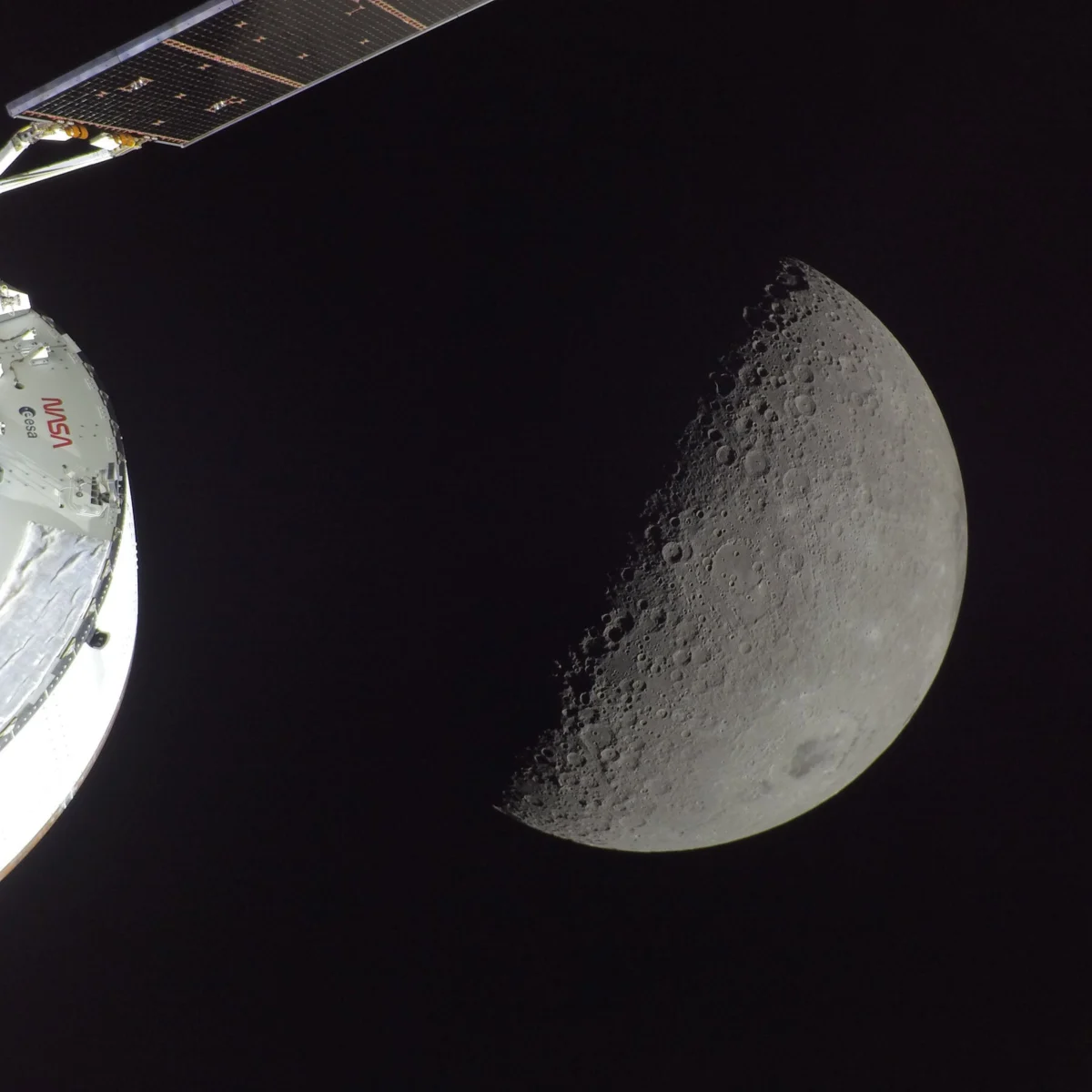
A 1960s treaty declared that no nation or individual can claim sovereignty over outer space, yet decades later, both private actors and governments are pressing to exploit lunar resources. The legal framework that once sought to keep the moon and planets free for all humanity now faces new pressure from technological advances and economic incentives. Moon ownership, as it stands, rests in a gray area where historical norms clash with modern ambitions.
The Outer Space Treaty, forged during the Cold War era, established that celestial bodies would not become territory any state could seize. That principle has guided international cooperation in space for generations. But rising interest in lunar mining, satellite deployment, and strategic positioning has revived questions about who can legally stake a claim beyond Earth.
Key Facts
- The Outer Space Treaty bans national appropriation of outer space.
- Billionaires and superpowers are investing in space ventures.
- Moon ownership remains legally unresolved after 50+ years.
- The treaty was created during the 1960s geopolitical competition.
- New technologies and profits challenge traditional space governance.
The Story
What happens next?
Nations and private companies are pushing to mine the moon for rare minerals and water ice that could fuel future missions or energy demands. These efforts often operate within existing legal ambiguity because the original treaty lacks clear mechanisms for resolving resource extraction rights. As infrastructure develops, more stakeholders may seek formal recognition of claims or contracts.
Some countries have passed domestic laws allowing their companies to exploit space resources, while others call for renewed multilateral negotiations. Whether these moves violate the spirit of the Outer Space Treaty depends largely on interpretation—particularly if extracted materials are sold commercially. International courts or new agreements may eventually clarify boundaries, though progress has been slow amid competing interests.
Who is affected?
Private investors ranging from startup founders to tech moguls have entered the race to capitalize on cosmic wealth. Their initiatives depend heavily on shifting global policies and diplomatic tolerances. Meanwhile, established spacefaring powers face strategic choices: enforce collective stewardship or pursue unilateral gains through advanced programs.
What We Know — and What We Don’t
Verified by the source:
- A 1960s-era treaty prohibits ownership of outer space.
- Budget-conscious billionaires and powerful states are motivated by potential profits.
- The current system does not define how lunar assets can be claimed or used.
Still unconfirmed:
- Specific nations or firms actively working toward moon claims.
- Exact legal interpretations being applied by relevant authorities.
- Timelines or outcomes for possible treaty revisions or court rulings.
Why It Matters
How moon ownership is resolved will shape whether space becomes a domain of shared discovery or another arena of geopolitical rivalry. The decisions made today over celestial law could determine access to unlimited clean energy sources, strategic military positions, and untapped mineral reserves essential for Earth’s green transition.
What To Watch
Future UN discussions and national legislation will signal shifts in global readiness to redefine moon governance. Court decisions or renewed treaty signings may soon test whether the spirit of open space survives commercial and state interest.
Moon ownership hangs in the balance as billionaires race for cosmic dominance amid outdated treaties.