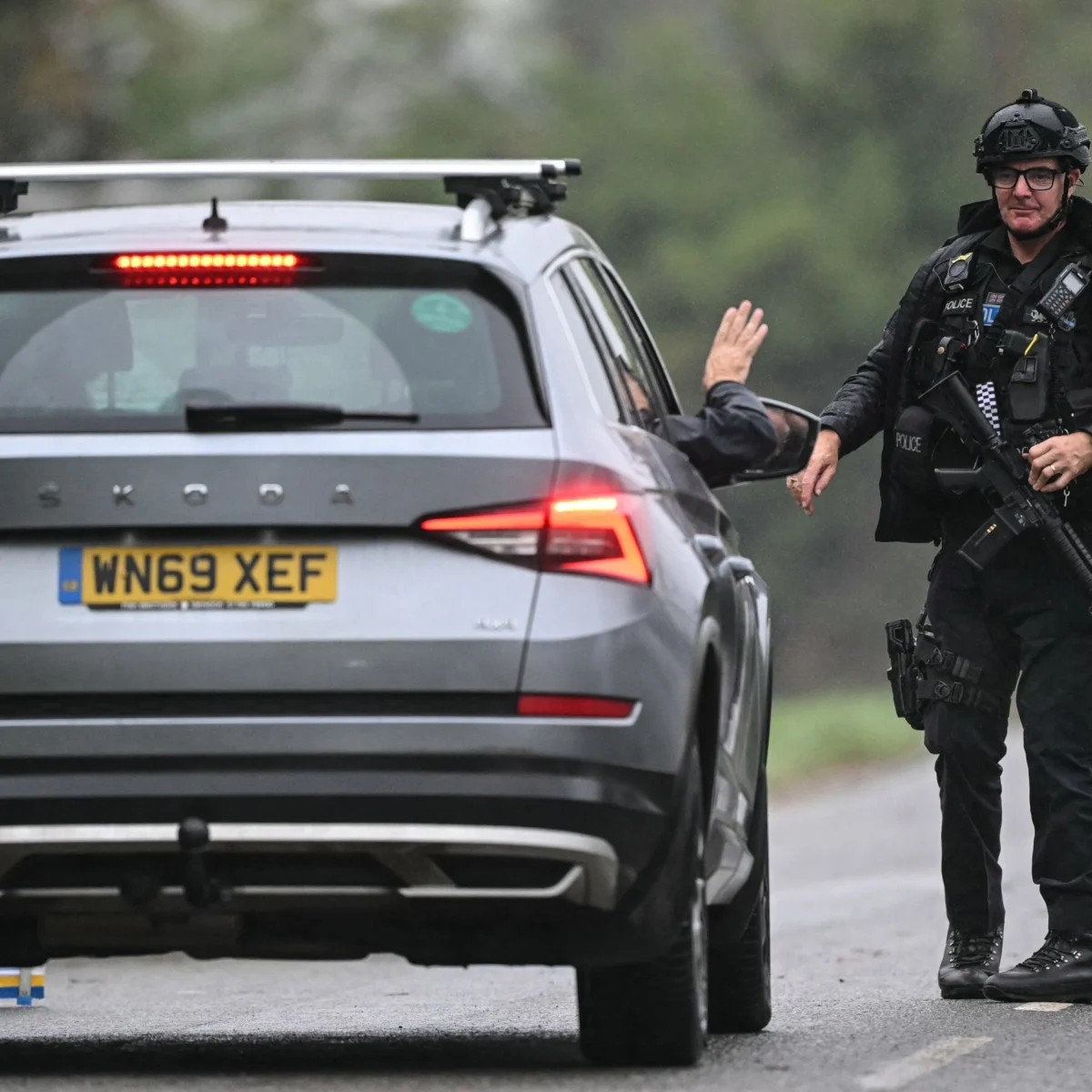
A US military base in the UK could become a target for proxy attacks linked to the ongoing war in Iran, according to experts cited by NYT > World News. Small-scale strikes have already occurred in Europe and North America, with local actors recruited anonymously to hit Jewish and American sites.
The attacks reflect a shift toward low-cost, decentralized warfare, where criminal groups or disenfranchised individuals are hired to carry out missions without direct state attribution. This tactic allows hostile powers to project force indirectly while minimizing diplomatic risk.
KEY FACTS
- The US war in Iran triggered small-scale attacks in Europe and North America.
- Proxy attackers include local criminals and disenfranchised young men.
- Targets included Jewish and American sites across multiple regions.
- Recruitment occurs anonymously, masking hiring parties.
- Experts warn UK bases may be next in this pattern of proxy attacks.
What happens next? Security analysts expect more attempts at indirect targeting, particularly against Western infrastructure tied to the conflict. These proxy attacks rely on simplicity and anonymity, making them difficult to trace or prevent without robust intelligence sharing. Countries hosting US assets are likely reviewing threat assessments and tightening surveillance around sensitive locations. The decentralized nature of the tactics means traditional defense measures may be insufficient, prompting a move toward preemptive cyber monitoring and community-level reporting systems.
Who is affected? Jewish communities and American interests in Europe and North America have already faced attempted attacks, per expert accounts. Now, UK military installations are seen as potential future targets due to their strategic role in supporting US operations. This escalation broadens the reach of the Iran conflict beyond traditional battlefields, placing civilian and military personnel at risk. It also underscores how modern conflicts blur lines between war zones and home soil. Governments must balance security response with civil liberties, especially when threats stem from loosely organized actors rather than declared armies.
How did we get here? The use of local proxies in international conflicts has grown amid technological advances and geopolitical instability. With Iran engaged in war involving the US, both sides seek ways to strike beyond borders. Rather than deploying troops, hostile entities enlist nearby individuals willing to act for money or ideology. These actors often operate in shadows, using encrypted platforms to coordinate. Experts note this trend mirrors earlier campaigns in the Middle East and eastern Europe, where anonymous recruitment enabled sustained disruption. As tensions evolve, so too does the playbook for asymmetric warfare — shifting from state armies to street-level operatives.
WHAT WE KNOW — AND WHAT WE DON’T
Verified by the source:
- Attacks occurred in Europe and North America following the start of the US war in Iran.
- Perpetrators were described as local criminals or disenfranchised young men.
- Targets included Jewish and American sites.
- Recruitment was anonymous, per expert testimony.
- UK bases are considered ambitious future targets based on current trends.
Still unconfirmed:
- No specific dates, locations, or outcomes of individual attacks were reported.
- It is unclear how many attacks succeeded versus failed.
- The identity or nationality of those doing the hiring remains unknown.
- Official statements from UK or US governments have not been cited.
WHY IT MATTERS The rise of proxy attacks tied to distant wars brings global conflict closer to everyday life. For readers in allied nations, understanding this shift helps explain why seemingly isolated incidents occur — and why security advisories may suddenly change. Tracking these developments also highlights vulnerabilities in border control, online radicalization, and foreign influence within democratic societies.
WHAT TO WATCH Future developments will depend on whether authorities detect and disrupt new recruitment chains or intercept planned strikes. Officials have yet to confirm if any specific plots targeting UK soil are currently active. Analysts say continued monitoring of social media, financial networks, and immigrant communities may offer early warning signs of expanded proxy campaigns.