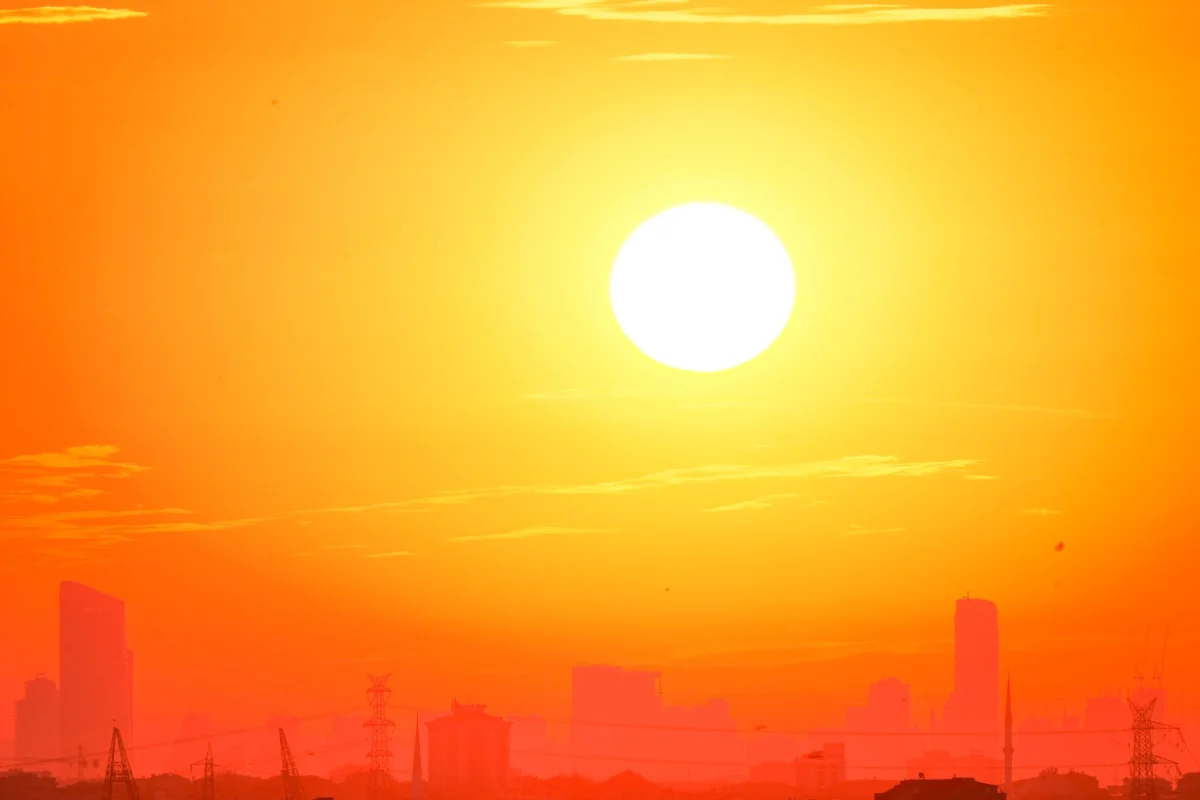
Temperatures in Chicago are already hovering at 90°F on Tuesday, and meteorologists warn that a stubborn high‑pressure system – dubbed the “heat dome” – could push readings past 108°F in the Midwest and over 103°F in New England by Thursday.
This isn’t a fleeting spike. The National Weather Service’s outlook shows a 90‑percent chance of triple‑digit heat persisting for at least four consecutive days across Illinois, Ohio, Pennsylvania, and New York.
“We are looking at one of the most extreme heat events of the decade,” the New York Times reported, citing the agency’s forecast. The Washington Post’s day‑by‑day map confirms the same trajectory, with Boston expected to break its all‑time June record.
Why does this matter?
Heat isn’t just uncomfortable; it’s deadly. The CDC notes that each 1°F increase above 85°F can raise mortality risk by 2‑3 percent. With hundreds of millions of people in the projected path, hospitals in Detroit and Philadelphia are already flagging surge capacity concerns.
Power utilities are also on edge. The grid in New York is projected to operate at 95 percent capacity on Thursday, a threshold that historically triggers rolling blackouts in extreme heat. Climate‑environment experts warn that repeated strain could accelerate infrastructure failures.
Who is affected?
Urban centers with dense concrete and limited green space – Chicago, Cleveland, Baltimore, and Boston – face the worst heat‑island effect. Rural areas aren’t immune; farmers in Iowa report wilted corn and stressed livestock, while the Ohio River’s water levels are dropping, compounding cooling‑water shortages for power plants.
Low‑income neighborhoods, often lacking air‑conditioning, see higher emergency‑room visits. In Philadelphia, city officials have declared a public health emergency, opening cooling centers in libraries and community centers.
What’s being done?
State health departments are issuing heat advisories and urging residents to stay hydrated, avoid outdoor activity during peak hours (12‑6 p.m.), and check on vulnerable neighbors.
Utility companies are pre‑positioning mobile generators and asking customers to limit non‑essential electricity use during the hottest windows.
Meanwhile, the National Oceanic and Atmospheric Administration (NOAA) is monitoring the dome’s intensity, noting that a similar pattern in 2021 caused over 4,000 excess deaths nationwide.
What happens next?
Forecasters expect the dome to weaken by the weekend as a cold front pushes eastward, but the damage could linger. Heat‑related power outages may linger for days, and agricultural losses could affect grain markets into the fall.
Scientists say the frequency of such domes is rising due to climate change, making this week a possible harbinger of a hotter future.
Stay tuned as emergency managers release updates and as the power grid’s resilience is tested in real time.