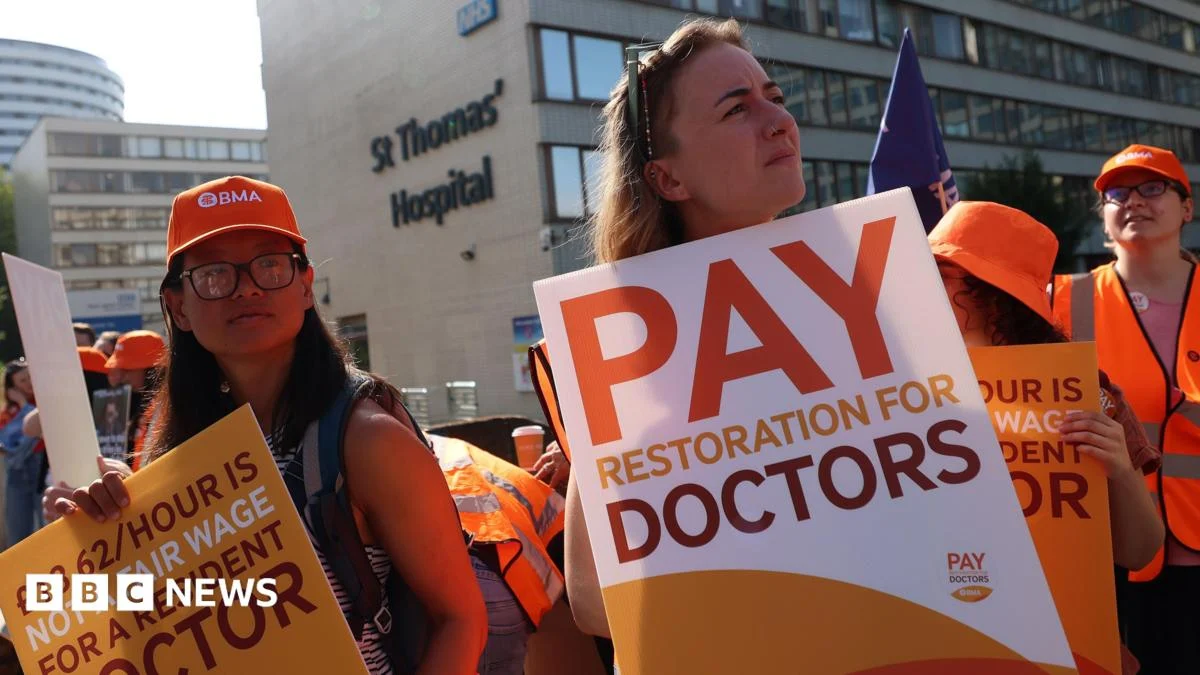
At 6 a.m. on Thursday, a line of fresh‑coat scrubs slipped into the staff car park of St Thomas’ Hospital, the clatter of coffee mugs the only soundtrack after weeks of silence. The resident doctors who had been on strike since November were back on the wards, their return sparked by a new doctor pay deal.
The settlement, announced by the Department of Health and Social Care, raises junior doctors’ salaries by 5 % in 2024 and adds a 2 % uplift in 2025, plus a one‑off £1,500 bonus for those who worked during the industrial action. The agreement ends a three‑year dispute that saw more than 150 days of strike action across England.
What the deal contains
The deal also promises funding for an extra 3,000 training places and commits to a review of the junior doctor contract within two years. The NHS Confederation welcomed the “significant” progress, noting that the added training slots could ease staffing pressures in emergency departments.
Why does this matter?
For the 35 million people who rely on the National Health Service, the strike meant cancelled appointments, postponed surgeries and stretched ambulance response times. A health‑science analysis estimated that the industrial action cost the economy roughly £1 billion in lost productivity.
Now, with the doctor pay deal in place, waiting lists are expected to shrink and elective procedures to resume on schedule. Families who postponed cancer screenings can finally book scans, and junior doctors will see a modest boost to their take‑home pay.
Who negotiated?
The deal was brokered between the British Medical Association (BMA) and the government’s medical adviser, Sir Chris Whitty. BMA spokesperson Dr Megan James said the agreement “recognises the relentless dedication of our junior doctors while delivering tangible improvements to their working conditions.” The government’s statement framed the settlement as a “balanced solution that safeguards patient care and respects the professionalism of doctors.”
During the strike, 20 % of NHS trusts reported that emergency admissions rose by 8 % and that there were 15 % more ambulance diversions. Those statistics underscore why the resolution matters beyond hospital corridors.
What happens next?
Implementation begins in April, with the first salary rise rolling out in the next pay cycle. The promised contract review will be overseen by an independent panel, tasked with addressing long‑standing grievances over overtime, night‑shift differentials and workload caps.
Critics warn that a 5 % increase may not keep pace with inflation, which the Office for National Statistics pegged at 6.2 % in the last quarter. Trade union leader John Smith of the Unite union argued that the deal is “a step forward but still falls short of the real cost of living pressures faced by junior doctors.”
Nevertheless, the immediate impact is clear: operating theatres will reopen, routine appointments will refill, and the NHS can refocus on patient care rather than crisis management.
Looking ahead
With the doctor pay deal signed, the spotlight now turns to the government’s broader health‑spending plan. Will the promised training places materialise, and can the NHS sustain the improved staffing levels without additional funding?
Stakeholders across the health sector are watching closely, because the next chapter will determine whether this settlement is a temporary truce or the foundation for a more resilient NHS.
Stay tuned as the rollout begins and the first effects on waiting lists and hospital performance become measurable.